A rowing machine can turn a corner of your home into a powerful fat‑burning zone. Rowing workouts at home help you burn calories quickly, build full‑body strength, and improve your heart health without pounding your joints like running might (Cleveland Clinic). With a few simple routines and good form, you can get gym‑level results in your living room, garage, or basement.
Below, you will find practical, beginner‑friendly rowing workouts you can start today, plus tips to stay safe, stay consistent, and see results faster.
Why rowing workouts at home burn fat so efficiently
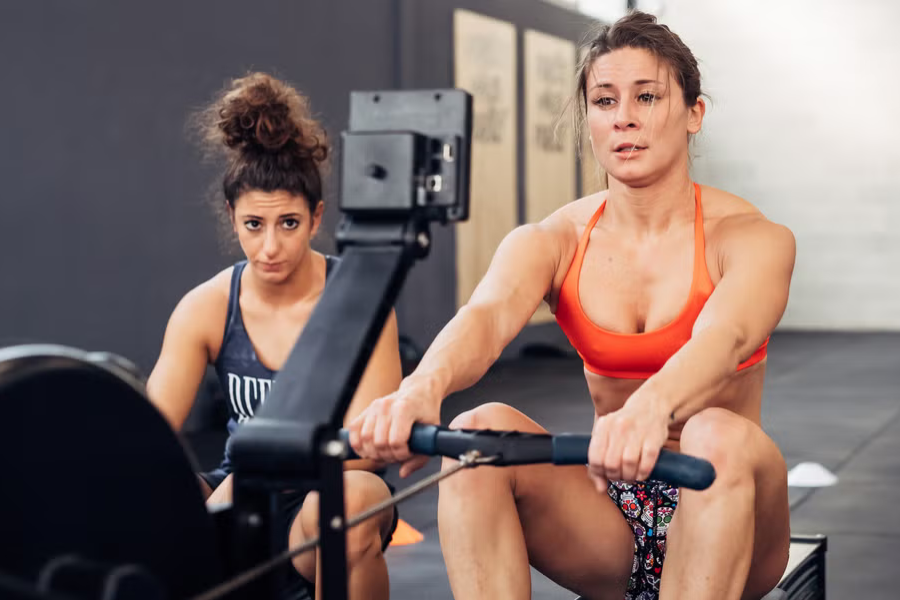
Rowing is often described as a full‑body workout, and that is not an exaggeration. Each stroke uses your legs, glutes, core, upper back, and arms, with about 65 to 75 percent of the effort coming from your lower body and 25 to 35 percent from your upper body (Healthline). This wide muscle engagement means you burn more calories in less time.
Because rowing is low impact, you can work at a higher intensity without the joint stress that often comes with running or jumping workouts. This is especially helpful if you have sensitive knees or are in the early stages of osteoarthritis, since you still get a strong cardio session without extra pain or wear on your joints (Healthline).
Rowing also combines steady cardio and strength. That mix is ideal for fat loss, since your heart rate stays elevated while your muscles are continually working. A 155 pound person can burn about 369 calories in 30 minutes of vigorous rowing (Healthline), and some intense sessions can reach even higher numbers in the same time frame (Red Beard Sailing).
How often and how long you should row
To improve your cardiovascular fitness and strength, aiming for around 20 minutes of moderate intensity rowing per day is a solid target, according to guidance discussed by Cleveland Clinic and the CDC (Cleveland Clinic). You can adjust that time up or down based on your current fitness and schedule.
If fat loss is your main goal, consistency matters more than perfection. You can:
- Row 20 to 30 minutes, 3 to 5 days per week at a steady pace
- Or mix 10 to 20 minute high intensity interval sessions with lighter steady rows on other days
Even short, focused workouts work well. Research highlighted by Healthline suggests that HIIT sessions under 15 minutes on a rowing machine can significantly boost fitness and heart health (Healthline).
Pick a schedule you can realistically stick with for a month, then reassess and build from there.
Mastering basic rowing form to stay safe
Before you focus on speed or resistance, you need to get your form right. Proper rowing technique uses four simple phases, known as the catch, drive, finish, and recovery. When you move through these smoothly, you reduce your risk of back and shoulder pain and get more from every stroke (Cleveland Clinic).
The four parts of a stroke
-
Catch
Sit tall with your core engaged. Bend your knees so your shins are vertical, hinge slightly forward from your hips, and extend your arms straight to grab the handle. Your shoulders stay relaxed, not hunched. -
Drive
Push firmly through your heels and extend your legs first. As your legs straighten, lean back slightly from the hips, then finally pull the handle toward your lower chest or sternum. Leading with the legs helps protect your lower back (Men’s Health). -
Finish
At the end of the drive, your legs are straight but not locked, your torso leans back a little, and your elbows are pulled back so the handle touches around your sternum. Keep your wrists flat and your shoulders down. -
Recovery
Reverse the motion in a smooth, controlled way. Extend your arms first, then hinge your torso forward, and finally bend your knees to slide back to the catch position. This is your chance to breathe and reset before the next stroke.
Think of it as legs, body, arms on the way out, and arms, body, legs on the way back. It may feel slow at first, but once it clicks you will row more efficiently and comfortably (Men’s Health).
Setting up your rowing space at home
One of the big advantages of rowing workouts at home is that many machines are compact and foldable. You can fold them up and roll them into a closet, tuck them against a wall, or keep them in a garage or basement gym without giving up much room (Healthline, Men’s Health).
When you create your setup, try to:
- Place the rower on a stable, level surface
- Leave enough space behind the seat for full leg extension
- Keep a small towel and water bottle nearby
- Position a fan if you tend to overheat
- Angle the rower so you can see a window or TV if that keeps you motivated
A comfortable, inviting space makes it much easier to show up for regular sessions.
Simple fat‑burning rowing workouts for beginners
You do not need complex programming to get great results. These beginner friendly rowing workouts at home use just your machine and a timer, so you can start immediately.
Workout 1: 15 minute steady burn
Good for your first week, or anytime you want a gentle but effective calorie burn.
- Warm up: 3 minutes
Row very lightly. Focus on smooth strokes and breathing. - Main set: 10 minutes
Row at a pace where you can talk in short sentences but would not want to hold a long conversation.
- Keep your strokes per minute in a moderate range, often 20 to 24 for beginners
- Every 2 minutes, pick up the pace for 20 to 30 seconds, then return to normal
- Cool down: 2 minutes
Row slowly, letting your heart rate come down, then step off and stretch your legs and back.
This simple session builds your endurance and teaches you how a manageable pace should feel.
Workout 2: 20 minute interval burner
Intervals are one of the fastest ways to lose fat with a rowing machine, because they push your heart rate up, then let it recover, which keeps your calorie burn high even after you finish. Studies summarized by Healthline show that even short HIIT sessions on a rower can significantly boost cardiovascular fitness (Healthline).
Try this routine 2 or 3 times per week:
- Warm up: 4 minutes
Easy rowing, gradually increasing intensity. - Interval block: 12 minutes
Alternate between:
- 40 seconds hard rowing at about 7 or 8 out of 10 effort
- 80 seconds easy rowing at 3 or 4 out of 10 effort
Repeat this block 6 times for a total of 12 minutes.
- Cool down: 4 minutes
Light rowing, then step off and stretch.
If 40 seconds feels too long at first, start with 20 seconds hard and 70 to 80 seconds easy and build up gradually.
Workout 3: 10 minute power sprints
On busy days, this short workout keeps your fat loss plan on track.
- Warm up: 3 minutes
Very easy strokes. - Sprints: 6 minutes
Alternate:
- 20 seconds as fast as you can with good form
- 40 seconds very slow recovery rowing
Repeat 6 times.
- Cool down: 1 minute
Gentle rowing, then stretch.
Because this is a higher intensity option, use it no more than 2 times per week to start, and only if you already feel comfortable with your technique.
Intermediate routines to keep fat loss going
Once you can row steadily for 20 minutes and complete the beginner intervals without feeling wiped out, you can challenge yourself with slightly more advanced formats.
Workout 4: Row and rest ladder
This ladder workout keeps things interesting and builds both stamina and speed.
- Warm up for 5 minutes.
- Then complete:
- 1 minute hard, 1 minute easy
- 2 minutes hard, 2 minutes easy
- 3 minutes hard, 3 minutes easy
- 2 minutes hard, 2 minutes easy
- 1 minute hard, 1 minute easy
- Cool down for 5 minutes.
Aim to keep your hard intervals at a challenging but sustainable pace, where you are breathing heavily but still in control.
Workout 5: Mixed pace 30 minute session
This is a great weekend workout that targets endurance, fat loss, and mental toughness all at once.
- Minutes 0 to 5: Easy warm up
- Minutes 5 to 10: Moderate pace
- Minutes 10 to 12: Hard
- Minutes 12 to 17: Back to moderate
- Minutes 17 to 19: Hard
- Minutes 19 to 24: Moderate
- Minutes 24 to 26: Hard
- Minutes 26 to 30: Easy cool down
Changing pace like this trains your body to recover quickly and keeps boredom away.
If you track calories or distance on your machine, note your numbers for these workouts. Try to beat your previous distance or total calories while keeping the same time and structure. That is a simple way to measure progress without overcomplicating things.
Small tweaks that increase fat burning
You do not need to overhaul your routine to get more from your rowing workouts at home. A few thoughtful adjustments can make every stroke count.
Focus on intensity, not just time
Longer is not always better. A focused 15 minute interval workout where you truly work hard can burn more calories than 30 minutes of very easy rowing. Try to:
- Keep a clear split between hard and easy intervals
- Avoid scrolling your phone during rest periods
- Watch your pace numbers or stroke rate when you want to push yourself
Engage your legs and core first
Remember that rowing is mostly a leg exercise. Pushing firmly through your heels and bracing your core spreads the effort across your largest muscles. That increases calorie burn and reduces strain on your arms and lower back (Men’s Health).
If your arms feel fried after just a few minutes, you are probably pulling too early. Slow down and consciously drive with your legs first.
Stay consistent but allow recovery
Rowing is low impact, but your muscles and joints still need rest. Plan at least one full rest day per week and keep one other day as a light session or active recovery. You can walk, stretch, or use your rower at an easy pace.
This rhythm helps you avoid burnout, keeps your motivation higher, and lets your body adapt so you can gradually row faster and farther.
When you might consider alternatives
If you do not have space or budget for a rowing machine yet, you can still mimic some of the benefits.
- Resistance bands anchored to a door let you perform rowing motions and other strength exercises at home for under 100 dollars (Red Beard Sailing)
- Bent over rows with dumbbells or a barbell, as well as bodyweight inverted rows on sturdy bars, can build your back and arm strength in a rowing style pattern (Red Beard Sailing)
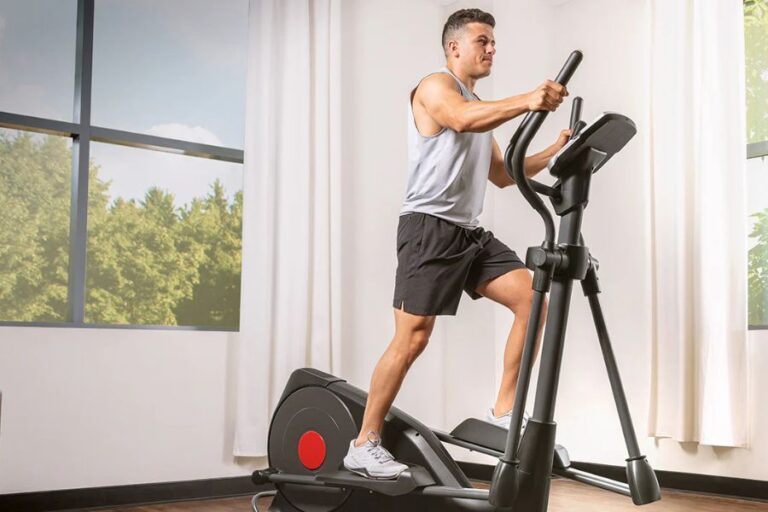
- For pure cardio, an elliptical or stationary bike provides low impact heart health benefits that are accessible in many home or gym setups, although they may engage fewer muscles at once than rowing does (Red Beard Sailing)
These options are helpful if you are traveling, easing back from an injury, or testing the waters before buying a rower.
Putting it all together
Rowing workouts at home give you a low impact, full body way to burn fat quickly, build muscle, and support your heart health, all without leaving your house. Studies and expert guidance show that as little as 20 minutes of rowing most days, especially when you include some intervals, can lead to real improvements in stamina, strength, and calorie burn (Cleveland Clinic, Healthline).
Start small. Choose one of the beginner sessions, focus on smooth technique, and commit to doing it two or three times this week. As you get more comfortable, layer in the interval and ladder workouts. Over time, those simple sessions will add up to noticeable changes in your energy, fitness, and body composition.
About the Author