A DASH diet plan can do more than lower your blood pressure. It can also support steady weight loss, better energy, and long-term heart health without requiring special foods or complicated rules. With a little planning, you can turn the DASH diet into a realistic, positive way to eat every day.
Below you will find what the DASH diet is, how it helps with weight loss, and a simple way to build a weekly dash diet plan that fits your life.
Understand what the DASH diet is
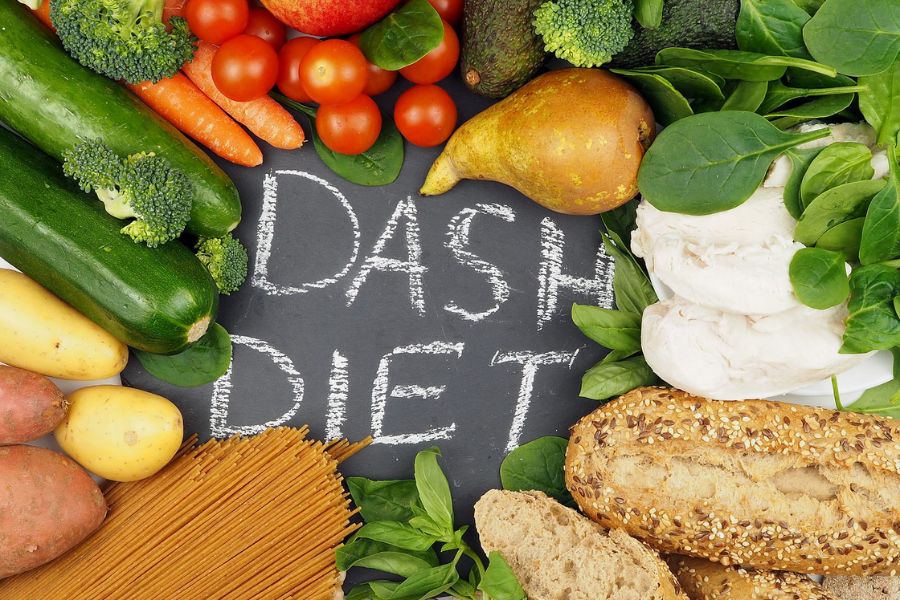
DASH stands for Dietary Approaches to Stop Hypertension. It was created to help prevent and treat high blood pressure, but research has shown that it also supports weight loss and lowers your risk of heart disease and type 2 diabetes when you follow it consistently and reduce sodium intake. The plan focuses on vegetables, fruits, whole grains, lean protein, and low fat dairy, and it limits sodium, added sugar, and saturated fat (NHLBI, Mayo Clinic).
You do not need special products to follow this plan. The DASH eating pattern provides daily and weekly nutritional goals for a typical 2,000 calorie day, and you adjust the portions up or down based on your own needs (National Heart, Lung, and Blood Institute). That makes it flexible enough to support both weight loss and weight maintenance.
Over roughly three decades of study, the DASH diet has been shown to lower blood pressure, improve cholesterol, and support weight loss, especially when you also cut back on sodium (NHLBI). In fact, it was named the Best Heart Healthy Diet and Best Diet for High Blood Pressure in 2025 (NHLBI).
Know why the DASH diet works for weight loss
You lose weight when you consistently eat fewer calories than your body uses, but the quality of those calories matters. A DASH diet plan helps you in several ways.
First, the focus on vegetables, fruits, beans, and whole grains gives you fiber. Fiber slows digestion and helps you feel comfortably full on fewer calories. Second, the plan encourages lean proteins and healthy fats, which stabilize your energy instead of creating big spikes and crashes that can trigger cravings. Third, many high calorie habits, like sugary drinks, salty snacks, and fast food, naturally drop away when you follow DASH guidelines.
Clinical trials have repeatedly found that people who follow the DASH diet, especially with support such as counseling and more physical activity, tend to lose more weight and lower blood pressure more than people who only receive general advice (NHLBI PREMIER trial). When you pair these food choices with a slight calorie deficit that is right for you, you create a reliable path to gradual, sustainable weight loss.
Learn the core DASH food groups
Although the exact servings depend on your calorie needs, the standard 2,000 calorie DASH diet includes daily or weekly targets from several key food groups (NHLBI, Mayo Clinic).
At a glance, your plate will usually include:
- Vegetables such as leafy greens, carrots, peppers, broccoli, or tomatoes
- Fruits, fresh or frozen, without added sugar
- Whole grains like oats, brown rice, whole wheat bread, or quinoa
- Fat free or low fat dairy such as milk, yogurt, or cheese
- Lean protein from fish, poultry, beans, lentils, and nuts
- Limited amounts of healthy fats and oils
- Very little sodium, added sugar, or foods high in saturated fat
You use these food groups to assemble meals, then adjust portion sizes to meet your calorie target. The DASH plan also provides worksheets to help you understand serving sizes and compare them with your current habits (NHLBI).
Set your calorie target for weight loss
Before you design your own dash diet plan, it helps to have a rough calorie range. Many adults lose weight on 1,200 to 1,800 calories per day, depending on body size, activity level, and health history. If you are not sure where to start, you might choose a modest reduction of about 250 to 500 calories per day from what you normally eat, as long as you do not drop below what your healthcare provider recommends.
For example, if you currently maintain your weight at about 2,200 calories and you aim for 1,700 to 1,900 calories per day using DASH foods, you are likely to see gradual weight loss. The DASH framework stays the same, you simply choose slightly smaller portions or fewer servings from some groups.
Because the research and sample menus from NHLBI and Mayo Clinic are based around 2,000 calories, you can use those as a template and then resize your servings up or down to match your needs (NHLBI, Mayo Clinic).
Limit sodium in realistic steps
Sodium is a key part of the DASH diet. High sodium intake can raise blood pressure, and reducing it helps you get the full benefit of this way of eating. The standard DASH plan keeps sodium under 2,300 milligrams per day, and a lower sodium version aims for 1,500 milligrams per day for even better blood pressure control (NHLBI, Mayo Clinic).
You do not need to hit 1,500 mg right away. In fact, gradually cutting back makes it easier for your taste buds to adjust so you begin to prefer less salty foods over time (Mayo Clinic). Start with simple changes, such as:
- Cooking more meals at home instead of relying on restaurant food
- Choosing low sodium or no salt added canned vegetables and beans
- Rinsing canned beans under water before using them
- Flavoring food with herbs, citrus, garlic, and spices instead of extra salt
- Checking labels and picking products with less sodium per serving
As you gain confidence, you can work your way closer to the 1,500 mg goal suggested in the DASH research for the greatest blood pressure benefit (NHLBI DASH Sodium trial).
Build a sample day on the DASH diet
To see how all of this fits together, it can help to look at a sample day. The example below is based loosely on a 2,000 calorie DASH diet and uses balanced meals to support weight loss, though you would still adjust portions to your own needs.
This is a general template, not medical advice. Always check with your healthcare provider or dietitian about what is right for you.
Breakfast
- 1 bowl of oatmeal made with low fat milk
- Topped with sliced banana and a small handful of walnuts
- 1 cup of berries on the side
You get whole grains, fruit, low fat dairy, healthy fats, and fiber to keep you full through the morning.
Lunch
- Salad with mixed greens, cherry tomatoes, cucumber, carrots, and grilled chicken
- Dressed with olive oil and lemon or a low sodium vinaigrette
- 1 small whole wheat roll or slice of whole grain bread
This meal provides vegetables, lean protein, and whole grains without relying on heavy sauces or dressings.
Snack
- 1 small container of low fat yogurt
- 1 piece of fruit such as an apple or pear
You add extra protein and calcium from dairy, along with more fiber from fruit, to bridge the gap between meals.
Dinner
- Baked salmon or another fish
- 1 cup of steamed broccoli and carrots
- 1 small serving of brown rice or quinoa
This checks the boxes for lean protein, vegetables, and whole grains while staying low in sodium if you season with herbs and lemon.
Evening snack (if needed)
- A small handful of unsalted nuts
- Sliced vegetables such as bell peppers or snap peas
You get healthy fats and crunchy vegetables, which can help reduce the urge to snack on salty chips or sweets.
You can rotate foods within each category so your meals stay interesting while still fitting the DASH guidelines.
Adjust the DASH diet for your preferences
One reason the DASH diet is so sustainable is that it is flexible. If you are vegetarian, you can emphasize beans, lentils, tofu, and nuts instead of meat. If you are lactose intolerant, you can work with lactose free or fortified plant based alternatives, and your dietitian can help you make sure you still meet your calcium and protein needs.
Research has also explored slight variations on DASH, such as changing some carbohydrates to protein or unsaturated fats. In one study, this kind of shift lowered blood pressure and improved cholesterol even more than the original plan, which suggests you can personalize your plate while staying within the DASH framework (NHLBI OmniHeart study).
The key is to keep the main principles in place. You still prioritize vegetables, fruits, whole grains, lean or plant based proteins, low fat or alternative dairy options, and healthy fats, while limiting sodium, added sugars, and saturated fat.
Ease into the DASH diet without feeling restricted
You do not have to move to a full dash diet plan overnight. In fact, small steps work better for most people. You might start with one or two of these changes:
- Add one extra serving of vegetables to your day, such as a side salad at lunch
- Swap white bread or rice for a whole grain version once a day
- Replace one sugary drink with water or seltzer
- Cook at home one more night per week using DASH friendly ingredients
- Try one new fruit or vegetable each week to expand your options
Mayo Clinic suggests reducing salty and processed foods gradually so you can adapt at a comfortable pace (Mayo Clinic). As these small habits stack up, you will likely find that your meals naturally lean toward the DASH pattern, and your weight loss efforts feel less forced.
Combine DASH with movement and support
The strongest results in DASH research have appeared when people combine the diet with other healthy habits. In studies, people who followed the DASH diet, received counseling, and increased physical activity saw the largest drops in blood pressure and lost more weight over six months than those who only got advice (NHLBI PREMIER trial).
You do not need an intense workout plan to benefit. Even a daily walk, light strength training a few days per week, or another activity you enjoy can complement your dash diet plan. If possible, involve your family or a friend so that meals and movement feel shared instead of something you are doing alone.
If you have specific health conditions, or if you are unsure how to translate the serving recommendations to your calorie needs, consider working with a registered dietitian. Many are familiar with the DASH research and can help you tailor it to your goals.
Key points to remember
A DASH diet plan for weight loss is not a quick fix. It is a well studied, heart healthy way of eating that helps you:
- Focus on vegetables, fruits, whole grains, lean protein, and low fat dairy
- Limit sodium, added sugar, and saturated fat in practical steps
- Create a gentle calorie deficit that supports steady weight loss
- Improve blood pressure, cholesterol, and long term heart health, especially when paired with sodium reduction and regular activity (NHLBI)
You can start today by making just one DASH inspired change, like adding a vegetable to dinner or choosing a low sodium option at the store. As you layer in more of these choices, your meals will begin to align with the DASH pattern, and your weight loss plan will feel more like a positive lifestyle than a restrictive diet.
About the Author