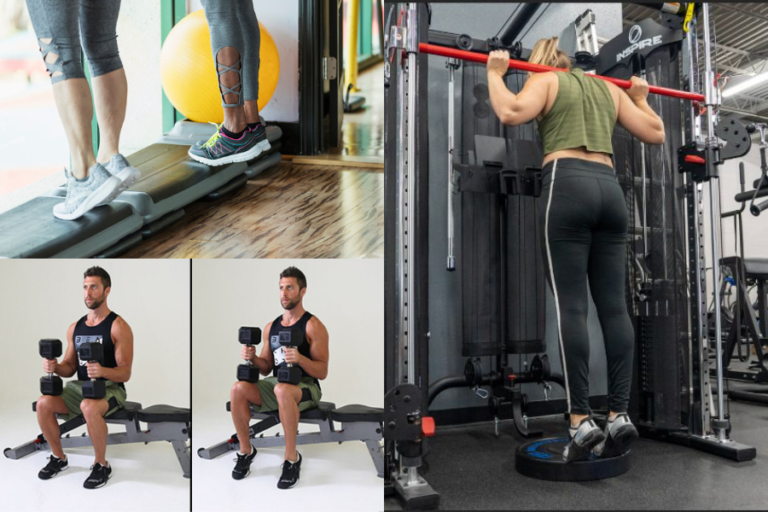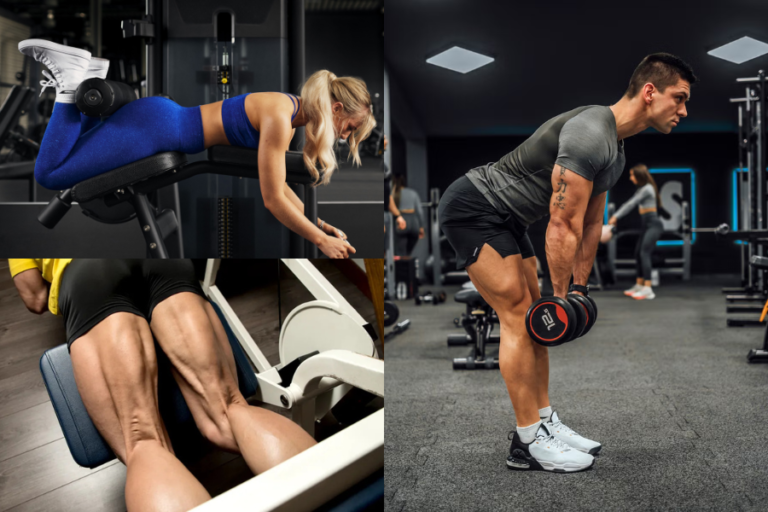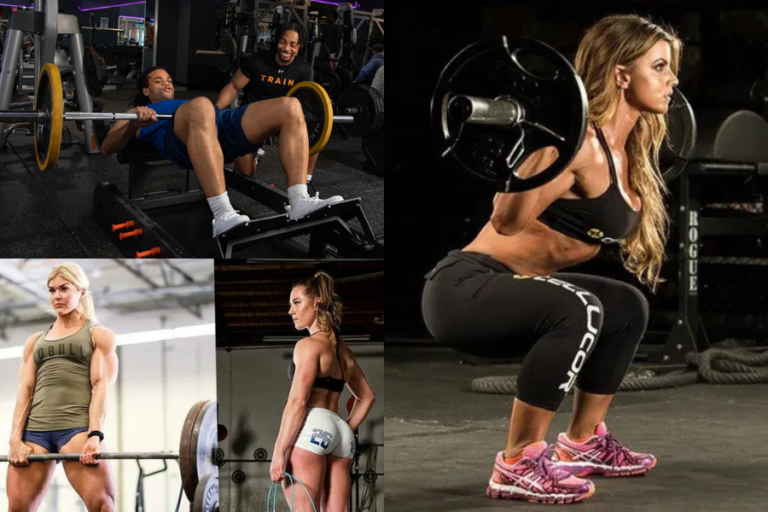
A simple bodyweight move like single leg calf raises can do far more than build defined lower legs. When you perform them correctly, you train balance, ankle stability, and control with every rep. Whether you are a runner, lifter, or simply want better everyday strength, this small exercise delivers big benefits.
Below, you will learn what single leg calf raises work, how to perform them step by step, and how to build a balanced workout around them.
What single leg calf raises work
Single leg calf raises are a unilateral exercise, which means you work one leg at a time. This instantly exposes and helps correct strength differences between your left and right sides.
You mainly target two calf muscles. The gastrocnemius is the more visible, diamond shaped muscle that helps with explosive movements like sprinting and jumping. The soleus sits underneath, works hardest when your knee is bent, and is packed with slow twitch fibers that support posture, walking, and endurance. Guides from strength platforms such as the Hevy app highlight that both muscles respond best when you use a mix of lighter, high repetition sets and heavier, lower repetition work for full development.
You also challenge the smaller muscles and connective tissue around your ankles and feet. This improves overall stability and can help protect you from common lower leg injuries. Since the movement is low impact and easy to modify, you can adjust it to your current fitness level and progress over time with more range of motion, weight, or volume.
Benefits for balance and everyday movement
The main reason to add single leg calf raises to your routine is how strongly they support balance and control. Each rep forces your body to stabilize over a narrow base of support, which trains your nervous system along with your muscles.
Over time, this improves your proprioception, or your ability to sense where your body is in space. Research based guides such as the January 16, 2025 article on GMWD Fitness note that better proprioception can reduce age related mobility loss and improve balance performance. You are not just building bigger calves, you are training yourself to react faster when you stumble or move over uneven ground.
Strong calves also matter more than many people realize during walking and running. Foot and ankle specialists report that the soleus can absorb over six times your bodyweight and the gastrocnemius two to three times your bodyweight on every stride. Calf strength is one of the keys to smoother, safer movement, from climbing stairs to pushing off during a run or powering out of a lunge.
How to do a basic single leg calf raise
You can start single leg calf raises on flat ground or on a small step for extra range. Begin with bodyweight only until you feel confident in your balance and control.
- Stand tall near a wall, rail, or sturdy chair for light support.
- Shift your weight onto your right foot and lightly lift your left foot off the floor.
- Keep your right knee straight and your core engaged. Look straight ahead, not at the floor.
- Press through the ball of your foot so your heel rises as high as possible. Pause briefly at the top and feel your calf contract.
- Slowly lower your heel all the way back down to the floor. Avoid bouncing at the bottom.
- Complete all your reps on one side, then switch legs.
Aim to move in a controlled, steady rhythm. If you race through the motion, you tend to bounce and let momentum do the work instead of your muscles, which reduces the benefit and can irritate joints.
Focus on quality over speed. A smaller number of slow, full range reps will help you more than rushing through a long set.
Using a step for more range of motion
Once you are comfortable on flat ground, using a step, sturdy plate, or low platform increases both the stretch and the work your calves do.
To perform a step single leg calf raise:
- Stand on a step with the ball of your right foot on the edge and your heel hanging off.
- Hold a rail or wall for support if needed and keep your left foot lifted or lightly resting behind you for balance only.
- Lower your heel below the level of the step until you feel a gentle stretch in the calf.
- Drive through the ball of your foot to rise up onto your tiptoes.
- Pause briefly at the top, then control the descent back into the stretch.
This version adds a built in stretch at the bottom and helps improve both calf strength and flexibility. It is particularly useful if you are a runner and want more power and resilience through your ankle and lower leg.
Proper form and common mistakes
Good form keeps the effort where you want it and lowers your risk of irritation or strain. Pay attention to these key points as you train.
Keep equal pressure across your forefoot. Try to press evenly through the area under your big toe joint and little toe joint instead of rolling to one side. Foot and ankle clinicians highlight this even loading as important for proper ankle mechanics and balance.
Lift to full height on each rep. A common error is failing to reach your true heel height, often because the calves fatigue or are not yet strong enough. Cutting the range short reduces how much the muscles are challenged. Work within your current ability, but keep aiming for a strong, controlled peak on every repetition.
Watch for toe clawing or curling. If your toes grip the step, your long toe flexors are trying to compensate for calf weakness. One useful technique recommended in clinical practice is to place your toes slightly over the edge of the step or plate. This reduces how much they can curl and encourages the calf to take more of the load.
Mind your knee position. In a standard standing single leg calf raise you want a straight knee to target the gastrocnemius. If your knee bends, it can be a sign that this muscle is fatigued or weak and you are shifting work elsewhere. Save bent knee variations for when you intentionally want to emphasize the soleus.
Finally, avoid bouncing at the bottom or racing through the reps. Quick, jerky movements shift tension away from the calves and into your joints. Slow, deliberate reps keep the muscle under tension longer and are more effective for both strength and control.
How many reps and sets to start with
If you are new to single leg calf raises, begin with a simple structure and progress as your strength and balance improve.
A good starting point is:
- 3 sets of 10 to 12 reps per leg
- 2 to 3 times per week, with at least one day of rest between sessions
Use a tempo that allows you to feel the lift, the pause at the top, and the slow lowering. On a scale of effort from 1 to 10, your last couple of reps should feel like a 7 or 8. You want to be challenged but not pushed to failure.
As you get stronger, you can:
- Add reps, working up toward sets of 15 to 20 for endurance
- Add a fourth set on each leg
- Introduce light weight, such as a small dumbbell held in the hand on the working side
Because the soleus muscle responds well to higher repetition work and the gastrocnemius benefits from moderate and heavier loads, a mix of lighter, higher rep days and heavier, lower rep days can help you cover both.
Progressions and variations to try
Once the basic version feels solid, you can use variations to keep your calves progressing without making your workouts overly complex.
You might experiment with:
- Weighted single leg calf raises, holding a dumbbell in one hand while the other hand supports you against a wall or rail
- Eccentric focused reps, where you lift quickly and lower over 3 to 5 seconds to emphasize control on the way down
- Isometric holds at the top, pausing for 5 to 10 seconds on the last rep of each set
- Bent knee single leg calf raises, which shift more emphasis to the soleus
You can also pair single leg calf raises with other lower body moves in your workout. For example, adding them after lunges or Bulgarian split squats reinforces unilateral strength patterns and supports better performance in running, jumping, and other athletic movements.
How to fit them into your weekly training
You do not need a dedicated calf day to see results. Instead, think of single leg calf raises as a small piece that slots easily into your existing routine.
Here is one simple way to add them:
- On lower body days, perform single leg calf raises near the end of your workout. Your larger muscles will already be warm, and your calves can handle focused work without stealing energy from big lifts like squats.
- On running or cardio days, do a lighter session of calf raises after your main workout. This supports calf endurance without leaving your legs too fatigued to move well.
If you train 3 to 4 days each week, including single leg calf raises 2 or 3 times is usually enough. Pay attention to how your lower legs feel. Mild soreness is normal when you start or increase your workload, but sharp pain is a signal to ease back and check your form.
When to choose single leg vs double leg calf raises
Both single leg and double leg calf raises have a place in a well rounded program. They simply emphasize slightly different goals.
Single leg calf raises shine when you want to:
- Correct muscle imbalances between your legs
- Improve balance, ankle stability, and control
- Prepare for unilateral movements like lunges or single leg jumps
Double leg calf raises are more useful when you want to:
- Build general calf size and strength with heavier loads
- Reduce the balance challenge so you can focus on pushing more weight
- Warm up the calves quickly before more complex lower body work
Many lifters and runners benefit from including both, using heavier double leg work first, then finishing with focused single leg sets for balance and fine tuned strength.
Key takeaways
Single leg calf raises are a small, accessible exercise that delivers benefits far beyond appearance. They help you build stronger calves, more stable ankles, and better balance that carries over into everyday life and sport.
Start with bodyweight on a stable surface, focus on full range of motion and control, and build gradually with more reps, sets, or weight. Over the coming weeks, you will likely notice more power in your push off, better stability when you move on one leg, and a sense of confidence each time you place your foot on the ground.
About the Author