Calf workouts for runners are one of the most effective ways to get faster, feel smoother, and stay injury free. Your calves generate more than half of your running power with every step, and they can absorb internal forces of up to eight times your body weight when you run. That is a huge workload for two relatively small muscles, which is why focused calf strength and mobility work belongs in your weekly routine.
Below, you will learn how your calves work, how to train them for both speed and endurance, and how to stretch and protect them so you can keep logging miles with confidence.
Understand your calf muscles
Your calf is not just one muscle. It is mainly two, the gastrocnemius and the soleus, plus the Achilles tendon that connects them to your heel. Together they help you point your toes, push off the ground, and stabilize your ankle with each step.
The gastrocnemius is the upper, more visible part of your calf. It runs from behind your knee down into the Achilles tendon and is heavily involved in quick, explosive movements like sprinting and fast surges. The soleus sits a bit deeper and lower. It runs from the back of your lower leg down to the heel and works hardest when your knee is bent. This muscle is especially important for distance running and marathon efforts, where it helps stabilize your ankle and keep your stride efficient over time.
Because each muscle has a slightly different job, calf workouts for runners should include both straight leg and bent knee exercises. This way you build power for speed and strength for long efforts, instead of overloading one area and setting yourself up for injury.
Why calf strength matters for runners
Strong calves do much more than give you definition in your lower legs. They influence your performance, efficiency, and injury risk every time you head out the door.
Over 50 percent of your running power is generated from your calf muscles. When those muscles are strong, you can push off the ground more forcefully, cover more ground with each step, and turn your legs over more quickly. Coaches note that targeted calf training helps improve both stride length and stride rate, which are key drivers of running speed.
Calf strength also plays a huge role in staying healthy. Weak or overworked calves are linked to common running injuries such as Achilles tendonitis, shin splints, and plantar fasciitis. Since your calves absorb such large forces with every step, they need to be strong enough to handle that stress without constantly tightening or straining. When you give them regular, structured strength work, you help spread the load more evenly through your legs and reduce the risk of overuse issues.
Key calf exercises for runners
You do not need a complicated routine to build strong, resilient calves. What you do need is consistency and a mix of exercises that hit both major calf muscles.
A simple guideline is to include 2 to 3 calf exercises in each strength training session, and aim for two strength sessions per week. This fits well within a balanced marathon or general running plan that also includes cardio, mobility, and rest.
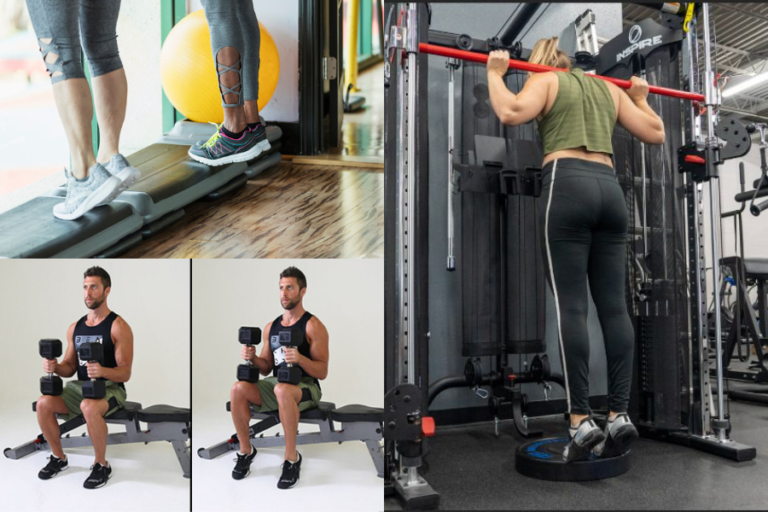
Seated calf raise (soleus focus)
The seated calf raise targets the soleus, which is critical for long distance running and marathon preparation.
Sit on a bench or sturdy chair with your knees bent at about 90 degrees and your feet flat on the ground. Place a weight across your thighs if you have one, such as a dumbbell or a weight plate. Lift your heels as high as you can, pause briefly at the top, then lower them under control back to the floor.
Since the soleus is a high endurance muscle, higher repetitions work well. Start with 2 to 3 sets of 12 to 20 repetitions. You should feel a deep burn lower in the calf by the end of each set.
Standing straight leg calf raise (gastrocnemius focus)
The standing calf raise with a straight knee focuses more on the gastrocnemius, which helps with explosive pushes, strides uphill, and sprinting.
Stand with your feet hip width apart, lightly holding a wall or railing for balance if needed. Keep your knees straight but not locked. Rise up onto the balls of your feet as high as possible, pause for a second, then slowly lower your heels back to the floor. To make this harder, you can hold dumbbells or perform the movement on the edge of a step so your heels start slightly below the level of your toes.
Aim for 2 to 3 sets of 10 to 15 repetitions. If you find both legs together too easy, switch to single leg raises with one foot lifted behind you.
Isometric calf raise
Isometric calf raises build strength and endurance by having your muscles work without moving. This method can be especially helpful if your calves tend to cramp or fatigue quickly.
Stand with your feet shoulder width apart and roll up onto the balls of your feet. Hold the top position, keeping your body tall and your heels lifted, for about 5 seconds before lowering back down. In a 2023 circuit suggested for runners, this is repeated 10 times, and you can hold light dumbbells to increase resistance.
Isometrics are also useful as a bridge if you are coming back from a minor strain and want to reintroduce load in a controlled way.
Farmer’s walk on toes
The farmer’s walk on toes is a powerful combination exercise. It strengthens your calves, challenges your balance, and adds some core work at the same time.
Hold a pair of dumbbells by your sides, stand tall, and rise onto your tiptoes. From there, take small, deliberate steps forward for about 30 seconds, then walk backward if you have the space. According to guidance from 2023 and 2026, 60 second walks, for 3 sets, are a strong target to build toward and can boost both calf strength and cardiovascular fitness.
Focus on keeping your heels off the ground the entire time and keeping your torso stable.
Loaded toe walks and isometric leg press holds
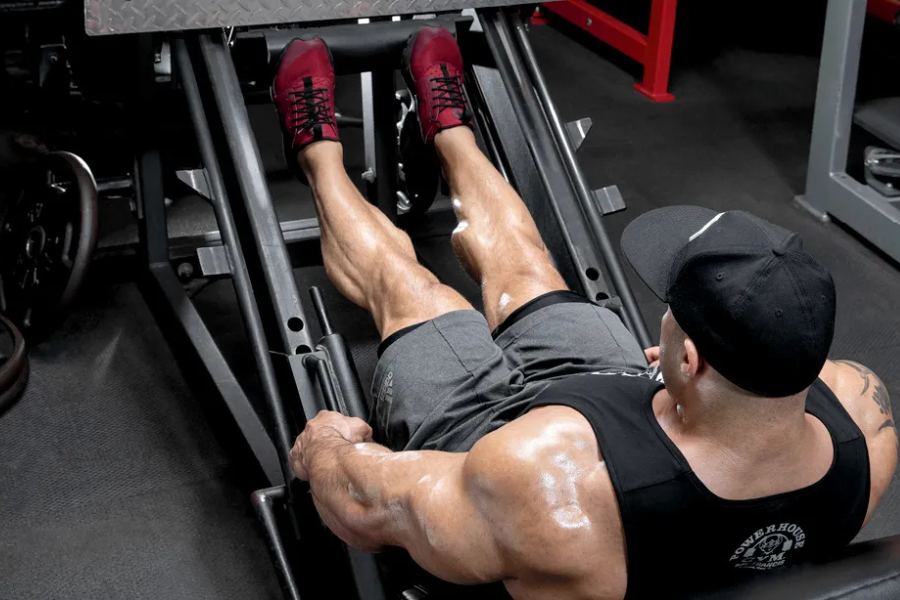
If you have access to a gym, you can expand your calf workouts for runners with loaded toe walks and isometric holds on the leg press.
For loaded toe walks, set yourself up like the farmer’s walk, but go heavier with the weights and cover a short distance multiple times. This builds serious calf strength and balance. For isometric leg press holds, sit in the leg press machine with your feet on the platform, then extend your legs so they are nearly straight. Push through the balls of your feet and hold that position for 20 to 30 seconds. Both of these exercises challenge your calves to support steady tension, which is exactly what they do during long runs.
Plyometric and power exercises
Once you have a base of strength, adding some power work helps your calves handle faster paces, hills, and surges without complaint. Plyometric moves train your muscles to absorb and release force quickly, which is a big part of efficient running.
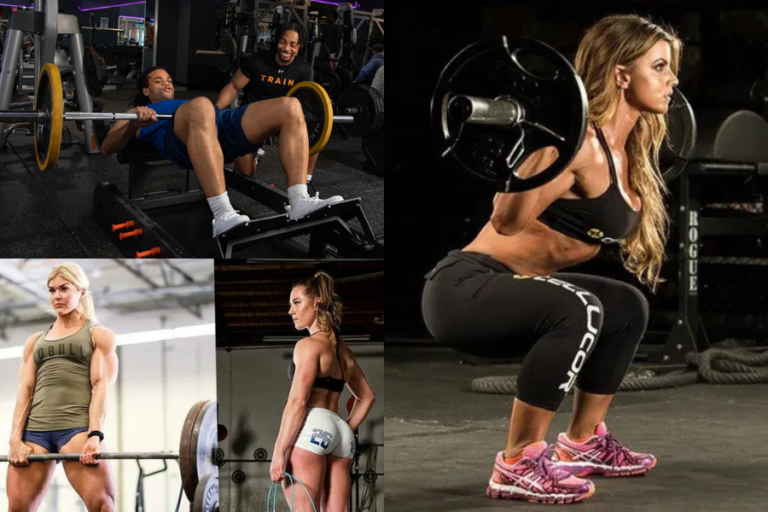
Jump squat
The plyometric jump squat works your calves along with your quads and glutes. It involves a quick stretch of the muscles followed by a forceful contraction, which builds power and cardio capacity at the same time.
Start in a squat position with your feet about shoulder width apart. Lower your hips back and down like you are sitting in a chair, then explode up off the ground, reaching your arms overhead. Land softly with your knees bent, absorb the impact, and go straight into the next repetition. A 2026 recommendation suggests performing 3 sets of 15 reps daily for runners who want to build leg power and cardiovascular fitness.
Keep your landings quiet and controlled. If your calves feel overly tight or sore, reduce the volume or schedule these further from your hardest runs.
Jumping jacks and other light plyometrics
Jumping jacks are a simpler plyometric included in some calf circuits for runners. They elevate your heart rate, work your calves rhythmically, and can double as part of your warm up before intervals or tempo runs.
Other options include small ankle hops in place, line hops side to side, or skipping drills. The goal is not to exhaust yourself, but to remind your calves how to react quickly and elastically. Begin with short sets of 20 to 30 seconds and build gradually.
Calf stretches and mobility for runners
Strength is only half of the equation. For healthy, happy calves, you also need enough flexibility and mobility so your muscles can move through their full range without strain.
Dynamic stretches before you run
Before a run, focus on dynamic calf stretching. This means moving in and out of a stretch rather than holding one position for a long time. Dynamic stretches activate your muscles and nerves and prepare them for work.
A simple dynamic calf warm up might include:
- Gentle ankle circles in both directions
- Walking lunges with a slight push through the back foot
- Slow, controlled calf raises with a pause at the top
The downward dog position with alternating heel drops is another great option. In the 2023 calf circuit, this is called Downward Dog with Foot Pedal. From a yoga downward dog position, you bend one knee while pressing the opposite heel toward the floor, then switch sides. This moves your calves in and out of stretch and wakes them up for your run.
Static stretches and foam rolling after you run
After your run or strength session, static stretches help your calves relax and gradually improve flexibility. Hold each stretch for 30 to 60 seconds and breathe steadily.
You can use a classic straight leg wall stretch by placing your hands on a wall, stepping one foot back, and pressing that heel toward the floor with the knee straight. Then bend that back knee slightly to shift the stretch toward the lower soleus. Stretches like downward facing dog, straight leg calf stretches, and foam rolling have been shown to help relieve tension, increase flexibility, and reduce post run muscle pain when done daily.
Be careful not to overdo static stretching, especially right before you run. Long static holds can temporarily reduce power and, if pushed too aggressively, might contribute to issues such as insertional Achilles tendonitis.
How to avoid and manage calf strains
Because your calves work so hard during running, they are vulnerable to both gradual and sudden strains. Understanding the early signs can help you adjust before a small issue becomes a major layoff.
Soleus strains tend to develop slowly. You might notice a tightening or cramping feeling that creeps in during longer runs or after a week of extra mileage, hills, or hard workouts. Since the soleus works harder when the knee is bent, this type of strain is more common in distance runners who spend a lot of time in mid stance.
Gastrocnemius strains, on the other hand, usually come on suddenly during a sprint, fast finish, or quick change of pace. You may feel a sharp pain high in the calf that makes it hard to keep running. This muscle is more active with the knee straight, so fast running, jumps, or steep hills can aggravate it.
Rehabilitation typically happens in phases. First, you focus on calming pain and allowing tissues to settle. Next, you slowly rebuild load tolerance with controlled calf raises and gentle isometrics. Finally, you progress to more demanding strength and power work so your calf can handle a return to full running without breaking down again. Aligning your calf workouts with these phases helps prevent re injury and gives you a clear path back to form.
If you are recovering from a recent calf strain or Achilles tendon issue, avoid aggressive stretching early on. Overstretching can aggravate sensitive tissue. Instead, combine gentle mobility work with progressive strength exercises as you improve. If pain persists or worsens, it is wise to check in with a medical professional or physical therapist who understands runners.
Putting it all together in your week
To make calf workouts for runners stick, weave them into your existing routine instead of treating them as a separate project.
You might try a structure like this:
- Two days per week of strength work, each including 2 to 3 calf exercises such as seated calf raises, standing calf raises, and farmer’s walks on toes.
- Short dynamic calf drills before your key runs, like intervals or tempo sessions.
- Simple static calf stretches and light foam rolling after most runs, especially on days when your calves feel tight.
A good rule of thumb is that your calves should feel worked, not wrecked. Slight fatigue and a gentle burn are normal. Sharp pain, lingering soreness that worsens with each run, or a sudden pull are signs to back off and adjust.
If your calves currently feel tight or overworked, ease into this plan. Start with bodyweight versions of the exercises and lower volumes, then add weight or extra sets only when your legs recover well between sessions.
When you start to feel the difference, you will likely notice it first in little moments: easier hill climbs, smoother push offs, or a long run that no longer ends with your calves cramping. Over time those small gains add up to better performance and a lower risk of setbacks, which is exactly what you want from smart, focused training.
About the Author