Understand what sexual health services are
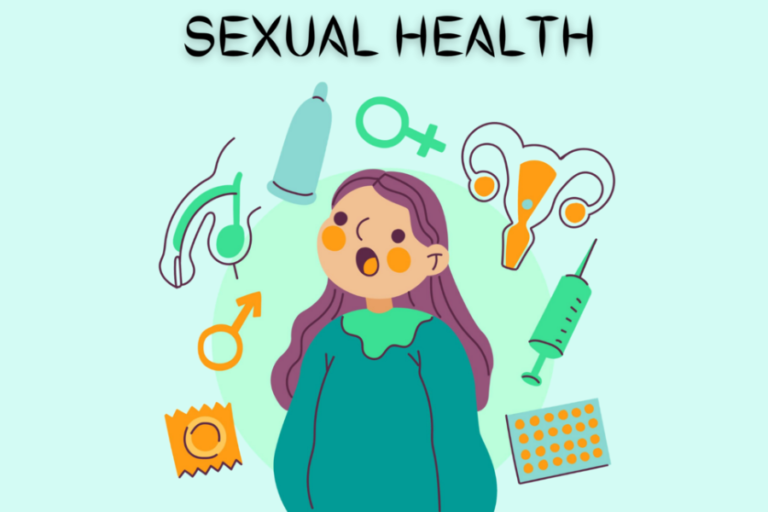
If you have ever wondered, “what do sexual health services include?” you are not alone. Sexual health services cover much more than STI testing. They exist to help you protect your body, your relationships, and your peace of mind.
In most communities, sexual health services are offered through health departments, family planning clinics, hospitals, private providers, and nonprofit organizations. In Virginia and across the United States, these services are often low cost or free, especially if you have a lower income or no insurance, through programs such as Title X and Medicaid-supported clinics (Guttmacher Institute, Virginia Department of Health).
At a high level, sexual health services usually include:
- Screening and treatment for sexually transmitted infections
- Counseling and education about safer sex
- Birth control and pregnancy-related care
- Vaccines that protect your sexual and reproductive health
- Support for emotional, mental, and relationship aspects of sex
The sections below walk through each of these in more detail so you know what to expect and how to use them.
Get STI and STD testing
One of the most important parts of sexual health services is testing for sexually transmitted infections (STIs), also called sexually transmitted diseases (STDs). Many STIs have no symptoms, so regular testing is key to catching problems early (Mayo Clinic, Cleveland Clinic).
What providers test for
Clinics commonly offer tests for:
- Chlamydia and gonorrhea
- Syphilis
- HIV
- Trichomoniasis
- Hepatitis B and hepatitis C
- Sometimes herpes and other infections, depending on your symptoms and risk
Publicly supported clinics in the United States routinely include STI testing as part of sexual and reproductive health care (Guttmacher Institute).
How STI testing works
Testing methods vary by infection and your body parts that are involved in sex. According to MedlinePlus and Mayo Clinic, tests may include:
- Blood tests
- Urine tests
- Swabs from the vagina, penis, throat, or anus
- A physical or pelvic exam to look for signs like rash, warts, sores, or discharge
For chlamydia and gonorrhea, you might have a urine test or a swab from the throat or anus. Swabs are especially important if you are a transgender woman or a man who has sex with men so that infections are not missed (Mayo Clinic).
HIV testing is recommended at least once for everyone between ages 13 and 64, and more often if you have higher risk. Syphilis and hepatitis B testing is also recommended for certain higher risk groups and during pregnancy (Mayo Clinic).
At-home testing options
Many sexual health services now include at-home STI test kits. These can be especially helpful if you prefer privacy or have trouble getting to a clinic.
Based on MedlinePlus and Mayo Clinic, at-home tests may screen for:
- Chlamydia
- Gonorrhea
- Syphilis
- Trichomoniasis
- HIV
- Hepatitis C
You typically:
- Collect a urine sample, a genital or oral swab, or a small blood sample from your finger.
- Mail the sample to a lab or, for some HIV tests, get rapid results at home.
In Virginia, the Virginia and Maryland Home HIV Testing Program offers free rapid at-home HIV oral swab tests once every 90 days, with results in about 20 minutes (Virginia Department of Health).
Receive STI treatment and follow-up
Testing is only part of what sexual health services include. If you test positive, clinics also support you through treatment and follow-up.
Types of treatment you may receive
According to Mayo Clinic and Cleveland Clinic, treatment usually involves:
- Antibiotics for bacterial infections such as chlamydia, gonorrhea, and syphilis
- Antiviral medications for infections like herpes and HIV
- Instructions to complete the full course of any medication
Your provider may also talk with you about:
- When it is safe to have sex again
- Whether you need follow-up testing
- Ways to reduce the chance of reinfection
Partner notification and partner treatment
Another key piece of sexual health services is partner notification. If you are diagnosed with an STI, you are encouraged to tell current and recent partners so they can get tested and treated too. This helps stop infections from spreading and prevents you from being reinfected (Mayo Clinic).
In some places, expedited partner therapy (EPT) is available. This allows your partner to receive treatment without having to be examined first, which can make it easier and faster for them to get care (Cleveland Clinic).
Public health departments sometimes help with confidential partner notification too, so you do not have to handle every conversation on your own.
Get counseling and education on safer sex
Sexual health is not only about tests and medications. It is also about the knowledge and skills you need to protect yourself and your partners over time.
Behavioral counseling and safer sex skills
The U.S. Preventive Services Task Force notes that many sexual health programs include behavioral counseling to help you:
- Understand how STIs are spread
- Learn your personal risk level
- Increase motivation for safer sex
- Practice skills, such as using condoms correctly and talking with partners
These services may be offered:
- One-on-one in person
- In group sessions
- Through videos, websites, written materials, phone calls, or text messages (USPSTF)
Some of the most effective programs involve more than 120 minutes of counseling across several sessions, although even shorter sessions, under 30 minutes, can still help (USPSTF).
Who is most likely to be offered counseling
Clinicians often start with a sexual history to understand your:
- Number and gender of partners
- Condom use
- History of STIs
- Age and pregnancy status
- Whether you are part of a group with higher STI prevalence
They use this information to decide what type of counseling and screening schedule is right for you (USPSTF, Mayo Clinic).
Support around sexual violence and trafficking
Some sexual health services also connect you with resources if you have experienced sexual violence or sex trafficking. The USPSTF notes that clinics may refer you to specialized media-based interventions or community services tailored to these situations (USPSTF).
If you share any concerns related to safety, your provider can help you find confidential support beyond standard STI prevention counseling.
Access birth control and family planning
Many people first interact with sexual health services through family planning.
Contraception and pregnancy-related services
In the United States, publicly supported clinics provide:
- Birth control counseling and methods
- Pregnancy testing
- Care related to pregnancy
- Screening for breast and cervical cancers
- Sometimes general primary care services too
These services are often offered through health departments, Planned Parenthood affiliates, hospitals, federally qualified health centers, and other organizations (Guttmacher Institute).
Title X is the only federal program dedicated solely to providing affordable family planning services. It supports clinics that offer contraception, pregnancy testing, and STI testing for people who are uninsured or choose not to use insurance (Guttmacher Institute).
Programs that improve access in Virginia
If you live in Virginia, you have several options:
-
Title X clinics in Virginia
These provide family planning and reproductive health services, including birth control, on a sliding fee scale. Everyone is eligible regardless of income, race, ethnicity, immigration status, ability status, sex, or gender identity (Virginia Department of Health). -
Contraceptive Access Initiative
This program offers free birth control to eligible patients whose income is under 250 percent of the federal poverty level and who either do not have insurance or cannot use their insurance for birth control. It is available at multiple organizations across the state (Virginia Department of Health). -
Virginia Medicaid
Medicaid in Virginia covers reproductive health services for people who qualify. More residents are now eligible for Medicaid and related insurance, which expands access to sexual and reproductive care (Virginia Department of Health).
Protect yourself with vaccines and HIV prevention
Some vaccines and medications are directly connected to your sexual health and are often offered through sexual health services.
Vaccines that affect sexual health
Depending on your age and health history, you may be able to get:
-
HPV vaccine
Recommended starting at ages 11 to 12 and up to age 45 in many cases, this helps prevent HPV infections and their complications, including some cancers and genital warts (Cleveland Clinic). -
Hepatitis B and hepatitis A vaccines
These protect against infections that can be sexually transmitted or related to other risk factors. Hepatitis B vaccination is especially important for sexual partners and people with higher risk. -
Mpox vaccine
Offered in some sexual health settings to people at higher risk, based on local guidelines.
At Prince William Health District STI clinics in Virginia, patients may be eligible for vaccines for hepatitis B, hepatitis A, HPV, and Mpox if a provider recommends them after reviewing immunization records (Virginia Department of Health).
HIV prevention with PrEP and condoms
HIV prevention is another major part of sexual health services. In Prince William Health District, for example, clinics offer HIV pre-exposure prophylaxis (PrEP), which is a medication taken daily as a pill or by injection that significantly reduces your risk of HIV when used as prescribed. Regular health care follow-up is part of PrEP services (Virginia Department of Health).
Across Virginia, the Department of Health also runs a Condom Distribution Program that supplies free condoms, including non-latex and larger-size options, to health districts and community partners. This program aims to reduce HIV and other STIs by making barrier protection widely available (Virginia Department of Health).
Your provider can help you decide which combination of condoms, PrEP, and testing fits your life and risk level.
Use mental health and sex therapy services
Sexual health services are not only physical. Your emotional and mental wellbeing around sex matters too.
What sex therapists do
Sex therapists are mental health professionals who use psychotherapy to help you or you and your partner address sexual difficulties and intimacy concerns. According to Cleveland Clinic, they focus on:
- Psychological causes or impacts of sexual dysfunction
- Relationship issues related to sex
- Communication, trust, and comfort with intimacy
They do not treat physical or medical conditions. For that, you would see a medical provider. Often, the best care combines both medical evaluation and sex therapy when needed (Cleveland Clinic).
What sessions are like
In therapy, you can expect to:
- Talk about thoughts, emotions, beliefs, and experiences around sex
- Identify patterns that may be affecting your sexual life
- Learn and practice new ways of thinking and behaving
You might receive assignments such as:
- Communication exercises
- Intimacy-building activities
- Trust-building or role-playing tasks that you try alone or with a partner
All of this happens without any physical contact in the therapy setting. Certified sex therapists typically complete many years of specialized training and use evidence-based psychotherapy approaches. Sex counselors may provide more educational and action-based support for shorter-term concerns (Cleveland Clinic).
Explore local STI and sexual health clinics
To see how all of these services come together in one place, it can help to look at a real example.
Services at Prince William Health District (Virginia)
The Prince William Health District provides STI clinics that offer:
- Screening, detection, and treatment for STIs
- Education about sexual health and safer sex
- Vaccines such as hepatitis A and B, HPV, and Mpox for eligible patients
- HIV prevention services, including PrEP and education (Virginia Department of Health)
Appointments are available Monday through Friday from 8 a.m. to 4:30 p.m. Many services are confidential, and you may be asked to bring health insurance information and proof of household income if you have it (Virginia Department of Health).
Your local health department or family planning clinic may provide a similar mix of services, even if the exact schedule and programs differ.
Put it all together for your sexual health
When you step back, the answer to “what do sexual health services include?” is broad. You are not just getting a test or a prescription. You are gaining a network of support that can include:
- Confidential STI and HIV testing, both in person and at home
- Treatment, follow-up, and partner support if you test positive
- Counseling, education, and skills to make safer choices
- Access to birth control and pregnancy-related care
- Vaccines, PrEP, and condoms to prevent infections
- Emotional and mental health care through sex therapy and related services
If you have never used these services before, your first step can be simple. Look up your local health department or a nearby family planning clinic and check what they offer. You can start with one visit for screening or counseling and build from there.
Your sexual health is an ongoing part of your overall wellbeing. The more you know about the services available to you, the easier it becomes to take care of yourself, your body, and your relationships.
About the Author