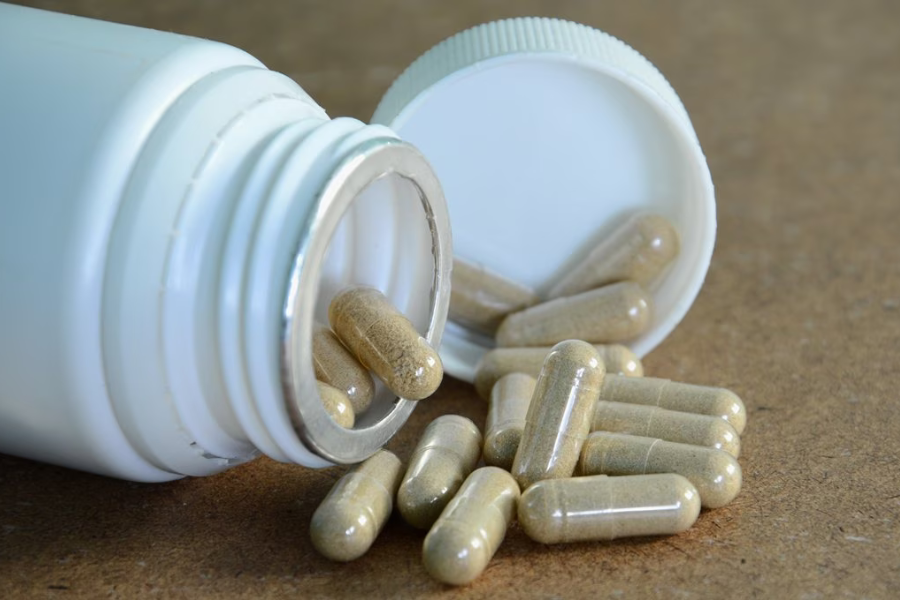
A lot of buzz around NAD supplements claims they can sharpen your mind, boost your energy, and even slow aging. Before you add another capsule to your daily routine, it helps to understand what NAD is, how these supplements work, and what research actually shows.
This guide walks you through the science behind NAD supplements in clear, simple terms so you can decide if they belong in your plan.
Understand what NAD actually is
Nicotinamide adenine dinucleotide, usually written as NAD or NAD+, is a molecule found in every cell in your body. You make it naturally from vitamin B3, and your cells use it constantly.
NAD helps your body:
- Turn food into cellular energy
- Repair damaged DNA
- Support healthy metabolism
- Maintain your circadian rhythm (sleep wake cycles)
- Regulate inflammation
Over time, your natural NAD+ levels drop in tissues like your liver, skin, brain, and muscles. This decline is linked to age related changes in energy, repair, and resilience (PMC, GoodRx).
That drop is the main reason NAD supplements exist. The idea is simple. If you can nudge your NAD+ levels back up, you might support healthier aging in your brain and body.
Learn the different types of NAD supplements
When you see “NAD supplements” on a label, you are usually not getting pure NAD+. Instead, you are getting a precursor, a form of vitamin B3 that your body can convert into NAD+.
The main types you will run into are:
Nicotinamide riboside (NR)
Nicotinamide riboside is one of the most studied NAD precursors. It is a special form of vitamin B3 that reliably raises NAD+ levels in your blood and cells.
Human trials show that NR:
- Safely increases NAD+ in middle aged and older adults, often by 40 to 90 percent in the short term (Atria Health Institute, PMC)
- Is generally well tolerated at doses such as 500 to 1,000 mg per day (WebMD)
You often see branded forms like NIAGEN in supplement facts panels. A 2019 randomized, double blind, placebo controlled trial confirmed NIAGEN’s safety and how it is metabolized in healthy overweight adults (WebMD).
Nicotinamide mononucleotide (NMN)
Nicotinamide mononucleotide is another NAD precursor that has gained attention.
In human studies, NMN:
- Raised blood NAD+ three to sixfold over 60 days at 300 to 900 mg per day
- Improved walking distance in a 6 minute test in midlife adults
- Did not consistently change insulin sensitivity or “biological age” markers (PMC)
NMN is also tangled in regulatory questions. In 2022, the US Food and Drug Administration decided NMN could not be marketed as a dietary supplement because it was first investigated as a drug, which has led to restrictions and legal challenges (Atria Health Institute).
Nicotinamide (NAM)
Nicotinamide is the familiar form of vitamin B3 you see in many multivitamins. At typical vitamin doses, it simply supports overall B3 needs. At higher doses, it may act as both a therapy and a NAD+ booster.
Research suggests that high dose NAM, around 500 to 3,000 mg per day, has potential therapeutic effects in neurologic conditions like Alzheimer’s and Parkinson’s, depression, inflammatory issues, and some skin cancers (PMC).
However, very high doses over long periods can also:
- Disrupt fat metabolism in the liver
- Stress the kidneys
- Potentially promote insulin resistance at extreme intakes in animals (PMC)
Because of this, you should treat gram level doses as a medical therapy and use them only with medical supervision.
See how NAD supplements may help your brain
When you think about NAD supplements and your brain, most claims fall into a few categories: cognition, neuroprotection, and mood.
Cognitive function and brain aging
Early human research hints that boosting NAD+ may support certain aspects of brain health, especially later in life.
Studies have found that NAD related supplements:
- May improve some measures of cognitive function, likely by supporting nerve energy and reducing inflammation (GoodRx)
- May slightly improve brain metabolism and modest motor function in Parkinson’s disease when using NR (PMC)
For example, a 2023 trial using high dose NR, 1,500 mg twice daily, increased NAD levels and improved some Parkinson’s symptoms, although larger trials are still needed (Health.com).
In Parkinson’s and possibly Alzheimer’s, early work suggests that NAD precursors could reduce nerve inflammation and support healthier brain cell function, but these are small, early studies, not definitive answers (Health.com, GoodRx).
Neuroprotection and cellular repair
Your brain uses NAD+ heavily for DNA repair and to keep energy hungry neurons running. As NAD+ declines with age, repair slows and damage accumulates.
Preclinical research in animals suggests that restoring NAD+:
- Supports mitochondrial function, the powerhouses inside neurons
- Improves resilience after injury
- Protects against some neurodegenerative processes (PMC)
In people, the evidence is still early but promising. One trial in Parkinson’s disease found that 30 days of NR at 1,000 mg per day increased brain NAD+ and related metabolites and was linked to modest motor improvements and better cellular cleanup systems in muscle and blood cells (PMC).
Mood and mental energy
You also see claims that NAD supplements boost mood and mental energy. There is some logic behind this. Better mitochondrial function and less chronic inflammation can both support more stable mood and clearer thinking.
However, controlled human trials directly testing mood outcomes are limited. You can think of mood benefits as a possible “bonus” rather than a guaranteed effect.
Explore how NAD supplements affect your body
Beyond the brain, NAD supports many systems throughout your body, from your heart and metabolism to your skin and muscles.
Metabolism, blood sugar, and weight
NAD plays a central role in how you process carbohydrates and fats.
Some studies in people with prediabetes or metabolic syndrome found that NAD related supplements:
- Improved insulin sensitivity
- Enhanced insulin production
- Improved some markers of body composition and lipid levels (Health.com, GoodRx)
For example, a small 2021 study of postmenopausal adults with prediabetes and excess weight found that 250 mg of an NAD precursor daily for 10 weeks improved insulin sensitivity (Health.com).
At the same time, other trials in people with obesity or type 2 diabetes did not see meaningful changes in blood sugar or HbA1c, even when NAD+ levels increased (GoodRx, PMC).
So, if you are hoping for a weight loss pill, NAD supplements are not that. At best, they might gently support healthier metabolic function when you pair them with a solid diet and activity pattern.
Heart and blood vessel health
Your heart and blood vessels are rich in enzymes that rely on NAD+. Declining NAD+ levels are linked with stiffer arteries and higher blood pressure with age.
Human trials suggest that NAD supplements may:
- Reduce arterial stiffness
- Lower systolic blood pressure in some older adults
- Improve markers like HDL cholesterol and inflammation in certain heart conditions (GoodRx, PMC)
For instance, chronic oral NR use increased NAD+ by around 60 percent in blood cells and showed trends toward lower resting systolic blood pressure and reduced arterial stiffness, although those changes did not stay statistically significant after strict statistical adjustments (PMC).
Some combinations, like NR plus pterostilbene, have lowered diastolic blood pressure at lower doses, although higher doses in the same study raised total and LDL cholesterol (PMC).
Muscle strength and exercise performance
Since your muscles are packed with mitochondria, they are very sensitive to changes in NAD+.
Research suggests that NAD support might:
- Improve muscle quality in older adults
- Increase exercise capacity and walking distance in some studies
- Improve redox balance, essentially how well your cells handle oxidative stress (WebMD, PMC)
A 2019 double blind, cross over study reported that NR improved redox homeostasis and exercise performance in older individuals (WebMD). NMN trials have also shown better 6 minute walk distances, although not every functional measure improves (PMC).
You are unlikely to suddenly gain large amounts of muscle from NAD alone, but you may notice small gains in endurance and recovery when you combine it with consistent training.
Skin and visible aging
Because NAD is essential for DNA repair, especially after UV damage, it has become a popular target in anti aging skin care.
Research suggests that NAD related approaches:
- Support DNA repair in skin cells
- May help slow some signs of premature skin aging
- Might help in conditions like psoriasis by slowing rapid skin cell turnover (Health.com, PMC)
Topical NAD approaches have already shown benefits in certain skin conditions (Health.com). In aging skin more broadly, low NAD+ reduces activity of key repair enzymes like PARP1 and sirtuins, which can lead to more DNA damage, more senescent cells, less collagen, and slower regeneration (PMC).
Reversing all of that with a supplement alone is unlikely, but raising NAD+ levels looks like a reasonable part of a broader skin health strategy.
Look at what the longevity research really says
You might see headlines suggesting that NAD supplements are longevity pills. The truth is more nuanced.
In animals, especially mice, restoring NAD+ to youthful levels has produced impressive results, including:
- Better cardiovascular and metabolic function
- Improved muscle strength and mitochondrial function
- Enhanced organ regeneration, vision, cognition, and even fertility (PMC)
Older animal studies also reported longer healthy life spans and fewer signs of premature aging with NAD support (Health.com).
However, when these ideas were tested in large, rigorous aging programs, like the National Institute on Aging’s Interventions Testing Program, NAD related interventions did not reliably extend overall lifespan in mice (Atria Health Institute).
In humans, initial trials with NR and NMN show that you can raise NAD+ levels by 40 to 90 percent fairly easily and that short term use is generally safe, but clear, long term benefits for lifespan or broad aging outcomes have not been demonstrated yet (Atria Health Institute, PMC).
A thoughtful view is this. NAD supplements might help you maintain healthier function in certain systems as you age, but they are not proven life extension drugs.
Weigh the risks and safety considerations
Even though NAD supplements are widely sold over the counter, they are still potent enough to deserve respect.
Common side effects
At typical supplement doses, up to around 1,000 mg per day, NAD precursors like NR and NMN are generally considered safe for most adults. Reported minor side effects include:
- Nausea or digestive upset
- Headaches
- Flushing
- Fatigue or trouble sleeping
- Muscle aches (Health.com, GoodRx)
These effects are usually mild and tend to resolve when you reduce the dose or stop.
At higher doses, especially above 500 to 1,000 mg per day, more serious effects are possible, such as:
- Liver stress or damage
- Low blood pressure
- Elevated blood sugar
- Nausea and diarrhea
- Easy bruising or bleeding issues (GoodRx)
Drug interactions and special situations
NAD supplements can interact with certain medications and conditions.
For example, NR might lower blood pressure and can moderately interact with antihypertensive drugs. Taking both together could drop your blood pressure too low, so careful monitoring is important if you are on blood pressure medications (WebMD).
There are also important cautions:
- There is not enough safety data for pregnancy or breastfeeding, so you should avoid NAD supplements unless your doctor specifically recommends them (Health.com)
- High dose NAM over very long periods could possibly raise cancer risk by interfering with DNA repair enzymes, though human evidence is still incomplete (PMC)
- A recent animal study suggested that very high doses of NR might promote aggressive triple negative breast cancer and metastasis, so experts suggest that people with active cancer or high risk avoid NAD boosters until more is known (Atria Health Institute)
Because of these uncertainties, it is worth talking with your clinician if you have chronic conditions, take multiple medications, or have a history of cancer.
How much is reasonable
Based on current research and reviews, many experts consider:
- 250 to 500 mg per day of an NAD precursor like NR or NMN a typical range for most adults
- Up to 1,000 mg per day likely safe in the short term for increasing NAD+ levels, under medical guidance (Fortune, Health.com)
There are no official dosing guidelines, and long term safety data are still limited, so it is wise to use the lowest dose that gives you noticeable benefits and to take breaks rather than staying on very high doses indefinitely.
Decide if NAD supplements are right for you
NAD supplements are not magic, but they are one of the better researched “cellular health” tools you can consider.
They might be worth discussing with your doctor if you:
- Are middle aged or older and want to support long term brain and heart health
- Have age related fatigue that does not fully respond to sleep and lifestyle changes
- Are working with a specialist on conditions like prediabetes, heart failure, or early neurodegenerative disease and are exploring evidence informed adjuncts
On the other hand, you might skip or delay NAD supplements if you:
- Are pregnant, breastfeeding, or trying to conceive
- Have a history of hormone sensitive or aggressive cancers
- Have poorly controlled medical conditions or take many medications
- Prefer to wait for clearer long term safety and benefit data
If you do decide to try NAD supplements, start with a clear plan. Choose a reputable brand with transparent testing, begin at a modest dose like 250 mg per day, give it at least 4 to 8 weeks, and track how you feel in terms of energy, exercise tolerance, focus, and sleep.
Above all, treat NAD supplements as one optional piece of your health toolkit. They work best when you pair them with the basics that reliably support your brain and body, such as solid sleep, regular movement, stress management, and a nutrient dense diet.
About the Author