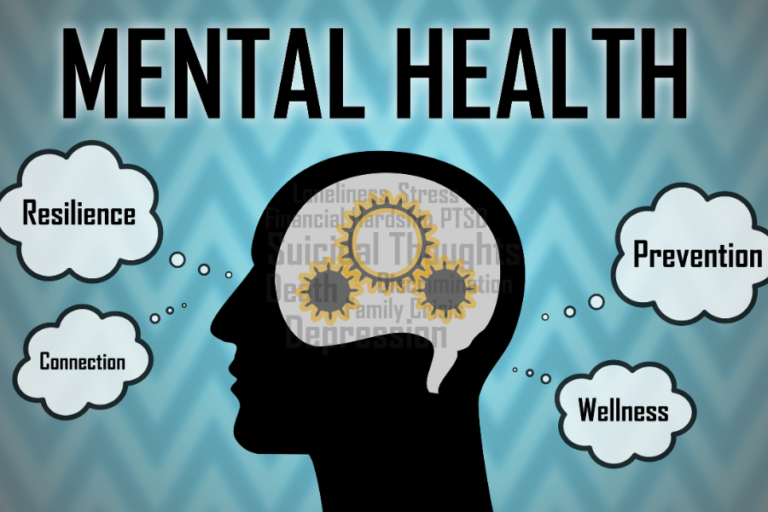
Feeling confused by all the mental health myths you see online is very common. Misconceptions about mental illness, therapy, and medication can quietly shape how you see yourself and whether you reach out for help. Some mental health myths may even delay treatment or keep you stuck in shame, which can directly affect your wellbeing.
Below, you will learn how to recognize common mental health myths, understand why they are harmful, and replace them with facts that support your healing. As you read, notice which beliefs feel familiar. Those are often the ones that most deserve a second look.
Understand why mental health myths matter
Mental health myths are not just harmless misunderstandings. They influence how you talk to yourself, how you treat others, and whether you feel safe asking for support.
Researchers have found that:
- More than half of people with mental illness avoid or delay treatment because they fear stigma or discrimination (American Psychiatric Association).
- Self stigma, or turning negative stereotypes on yourself, can lead to lower self esteem and worse recovery outcomes over time (NCBI PMC).
In other words, myths can keep you from the very care that might help you feel better.
How myths quietly affect your wellbeing
When you absorb mental health myths, you might:
- Minimize your symptoms because you think they are not “serious enough”
- Hide your struggles from friends, family, or coworkers
- Feel guilty for needing help, as if it means you are weak
- Avoid therapy or medication, even when you are suffering
- Stay in crisis longer than you need to
Challenging these beliefs is not just about “being correct”. It is about giving yourself permission to heal.
Myth 1: “Mental health problems happen to other people”
You might think mental illness is something that happens to “other people” who are weak, irresponsible, or very different from you. The facts tell a different story.
According to the Substance Abuse and Mental Health Services Administration (SAMHSA), anyone can be affected by mental health conditions, and suicide is a leading cause of death among people ages 10 to 24 in the United States (SAMHSA). UNICEF reports that 14% of the world’s adolescents experience mental health problems (UNICEF).
Why this myth is harmful
If you believe mental illness only happens to “certain types” of people, you may:
- Ignore early warning signs in yourself
- Miss clues that someone you care about is struggling
- Delay seeking help until your symptoms become a crisis
Seeing mental health as something that can affect anyone makes it easier to respond with compassion instead of denial.
Replace it with this truth
Mental health conditions, like physical health conditions, can affect anyone regardless of intelligence, success, background, or income level (UNICEF). Viewing mental health in this more accurate way helps you treat it as a normal part of overall wellness.
Myth 2: “Struggling means you are weak”
One of the most common mental health myths is that needing help means you are weak or lack willpower. You might tell yourself you should “just tough it out” or “be stronger”.
The American Psychiatric Association (APA) is clear that mental health struggles are not a sign of weakness or character flaws. They are influenced by factors like genetics, environment, and life stressors, and seeking help is a sign of resilience and strength (APA).
How this myth hurts you
Believing that mental illness equals weakness can:
- Intensify shame when you feel anxious, depressed, or overwhelmed
- Push you to hide your symptoms and pretend everything is fine
- Keep you isolated at the exact time you need connection
Over time, this inner criticism can deepen your symptoms and make healing feel out of reach.
A healthier belief to adopt
You can remind yourself:
- “Struggling does not mean I am failing.”
- “Reaching out for help is a courageous choice, not a weakness.”
Recognizing your limits, then taking action to care for yourself, is a sign of strength, not defeat.
Myth 3: “If you handled things alone before, you should always manage on your own”
Maybe you have survived tough experiences in the past without therapy or formal support. It can be tempting to tell yourself, “I got through that, so I do not need help now.”
The APA notes that early stressful experiences actually increase your likelihood of later mental health challenges and that early intervention often leads to faster recovery and better prevention (APA).
Why this myth can keep you stuck
This belief can lead you to:
- Minimize current pain because “you have been through worse”
- Push yourself until you reach burnout or crisis
- Feel ashamed when old coping strategies stop working
Your past resilience is real, but it does not mean you must handle everything alone forever.
A more supportive perspective
You are allowed to change what “coping” looks like for you. Maybe you white knuckled your way through earlier challenges. Now you can choose a path that is kinder, more sustainable, and less lonely.
Needing help today does not erase the strength you showed yesterday.
Myth 4: “Talking about mental health makes it worse”
You might worry that if you talk about your feelings, you will become more upset or that you will burden other people. Some people fear that mentioning topics like suicide or depression will “put the idea” in someone’s head.
Evidence shows that the opposite is true. The APA highlights that talking openly about mental health helps reduce stigma and is often a crucial first step toward healing (APA).
What silence costs you
Keeping everything inside can:
- Make your thoughts feel bigger and more overwhelming
- Increase loneliness and self stigma
- Prevent you from accessing support or resources
If you have ever felt relief after finally telling someone what you were going through, you have experienced how powerful honest conversation can be.
Safer ways to open up
You do not have to share everything with everyone. You can start small by:
- Writing your thoughts in a private journal
- Telling one trusted friend, family member, or faith leader
- Talking to a mental health professional, who is trained to hear difficult stories without judgment
Finding language for your feelings can make them feel more manageable and less frightening.
Myth 5: “People with mental illness are dangerous”
Movies and news stories often link mental illness with violence. This is one of the most damaging mental health myths, because it increases fear and discrimination.
SAMHSA reports that people with serious mental illness contribute to only 3% to 5% of violent acts in the United States and that they are over ten times more likely to be victims of violent crime than perpetrators (SAMHSA).
How this myth harms everyone
When you believe people with mental illness are dangerous, you may:
- Distance yourself from friends or coworkers who are struggling
- Feel afraid of your own diagnosis
- Avoid getting help because you do not want to be associated with negative stereotypes
On a larger scale, stigma can affect housing, employment, and access to care for people living with mental illness (American Psychiatric Association).
A more accurate understanding
Mental illness does not automatically make someone violent or unpredictable. Like physical illnesses, mental health conditions vary a lot in symptoms and severity. Most people living with these conditions are your neighbors, coworkers, classmates, and family members doing their best to manage symptoms and live full lives.
Seeing the person before the diagnosis is a powerful way to reduce stigma in your own circle.
Myth 6: “Successful people do not get depressed or anxious”
You might assume that good grades, a stable job, or a full social life should protect you from mental illness. This can create a painful gap between how your life looks and how you actually feel.
UNICEF notes that depression can affect adolescents who are doing well in school and who have many friends because mental health involves complex social, psychological, and biological factors (UNICEF). The same is true for adults with achievements and busy lives.
Why this myth is confusing
If you believe success should shield you from mental health struggles, you might:
- Question whether your feelings are “real enough” to matter
- Tell yourself you have no right to be depressed or anxious
- Dismiss your symptoms as ungratefulness instead of a health issue
This thinking can trap you in silence because you feel you must “earn” the right to struggle.
A more honest view of success
Your mental health does not check your resume first. You can be high achieving, caring, and capable, and still live with anxiety, depression, or other conditions. Allowing both realities to be true at the same time is more honest and more compassionate.
Myth 7: “Therapy is only for severe illness”
You might picture therapy as something people turn to only in a crisis or after a diagnosis of severe mental illness. This belief can make you feel like you need to hit rock bottom before you are “allowed” to ask for help.
The APA and other experts emphasize that therapy is also useful for everyday stress, relationship issues, and life transitions. Therapy can help the brain adapt and grow through neuronal plasticity, which supports healthier thinking and behavior patterns over time (APA).
Aspire Frisco also notes that therapy is beneficial for anyone managing daily stress, anxiety, or depression, not just those with severe diagnoses (Aspire Frisco).
How this myth keeps you waiting
If you think therapy is “for other people”, you may:
- Wait until problems feel unmanageable before seeking help
- Miss an opportunity to build skills that prevent crisis
- Feel guilty for “taking up space” in a therapist’s schedule
The earlier you reach out, the more options you usually have, and the easier it can be to make changes.
What therapy can actually support
Therapy can help you:
- Navigate work stress or burnout
- Improve communication in relationships
- Cope with grief, breakups, or major life changes
- Understand patterns that keep repeating in your life
- Build tools for anxiety, depression, or trauma
You do not need to be in crisis to deserve support.
Myth 8: “Medication will change who you are”
Concerns about medication are very personal. You might worry that taking psychiatric medication will dull your personality, make you less “yourself”, or mean you have failed to cope on your own.
Aspire Frisco explains that mental health medication is designed to help balance brain chemistry, not to erase your personality. Many people report that they feel more like themselves once their symptoms are under better control (Aspire Frisco).
The APA also notes that mental health treatment is individualized and does not always require medication. When medication is used, it often works best alongside therapy, lifestyle changes, and mindfulness practices (APA).
Why this myth can feel scary
If you believe medication will “change you”, you might:
- Suffer unnecessarily rather than consider medication as one option
- Stop taking prescribed meds without medical guidance
- Feel ashamed or “less than” if you do decide to use medication
This pressure can add another layer of stress to an already difficult time.
A more balanced way to think about medication
You can view medication as one tool among many. It is not a shortcut or a moral failing. It is a medical option that you and your provider can discuss, adjust, or decline based on your needs.
Questions to ask a provider might include:
- “What symptoms are you hoping this medication will help?”
- “What side effects should I watch for?”
- “How will we know if it is working?”
- “What other non medication options can we combine with this?”
Staying curious and informed keeps you in the driver’s seat of your treatment.
Myth 9: “Therapy takes forever and never really works”
Another common belief is that therapy is a long, endless process that only leads to minor improvements. You might imagine years of weekly sessions with little to show for it.
According to Aspire Frisco, many people begin to notice benefits after just a few sessions, and therapy can have both short and long term positive effects (Aspire Frisco). Most mental health conditions, including depression, anxiety, and PTSD, are treatable and manageable with proper care (Aspire Frisco).
How this myth steals hope
If you are convinced therapy does not work, you may:
- Never try it, even when you are suffering
- Give up too soon if the first therapist is not a good fit
- Assume your situation is hopeless
This can reinforce a cycle of hopelessness that is very different from what many people experience when they stick with the process.
What realistic progress can look like
Progress in therapy often looks like:
- Slightly better sleep or appetite
- Fewer intense panic attacks or shorter low moods
- More confidence in setting boundaries
- Feeling less alone with your struggles
Therapy is rarely instant, but it does not have to be endless to be worthwhile.
Myth 10: “If you cannot see it, it is not serious”
Because many mental health conditions are invisible, they are often dismissed as “just a phase” or “all in your head”. You might even say this to yourself if you do not have a visible crisis.
Yet data from SAMHSA and UNICEF show that mental health challenges can have life threatening consequences, including high rates of suicide among adolescents and young adults (SAMHSA, UNICEF).
Why this myth is risky
Believing that only visible or extreme symptoms “count” can cause you to:
- Dismiss chronic stress and burnout until your body forces you to stop
- Ignore subtle but persistent signs, such as numbness or irritability
- Feel you must wait until you hit a breaking point to ask for help
Preventive care matters just as much in mental health as it does in physical health.
A more caring standard
You deserve support before you reach the edge. If something consistently affects your ability to enjoy life, function at work or school, or maintain relationships, it is serious enough to pay attention to.
How to gently challenge your own mental health myths
You may not be able to change society’s stigma overnight, but you can start by changing how you relate to your own beliefs.
1. Notice the story you are telling yourself
When you feel resistance to seeking help, ask:
- “What would I say to a friend who felt this way?”
- “What rule about mental health am I trying to follow right now?”
- “Whose voice does this sound like?”
Naming the myth is the first step toward loosening its grip.
2. Check the belief against the facts
Use reliable sources, such as:
Often you will find clear information that directly contradicts the old story you have been repeating.
3. Try a small, real world experiment
Instead of waiting to feel completely confident, test a new belief with a small action. For example:
- Schedule one therapy consultation instead of committing long term
- Share something slightly more honest with a trusted person
- Read or watch a short lived experience story about mental health
Research in 2023 found that brief videos featuring personal mental health stories or informational content can reduce stigma and improve access to care among youth (American Psychiatric Association). Small exposure to new perspectives really can make a difference.
4. Practice talking about mental health in everyday life
Stigma thrives in silence. You can help shift the culture around you by:
- Using respectful language instead of labels or jokes
- Listening without rushing to fix when someone opens up
- Gently correcting myths when you hear them, if it feels safe to do so
Even simple comments like “Lots of people deal with that, you are not alone” can make it easier for someone to reach out.
Key takeaways for your wellbeing
Mental health myths can quietly shape how you see yourself and your options. When you recognize and challenge those myths, you make it easier to:
- Treat your mental health as a normal, important part of overall wellbeing
- Seek help earlier instead of waiting for a crisis
- Build self compassion instead of self blame
- Support others more thoughtfully when they struggle
You do not have to fix every belief overnight. You can start with just one myth that stood out to you today and replace it with a kinder, more accurate truth. Over time, these small shifts can add up to a big difference in how you feel, how you heal, and how you show up for yourself.
About the Author