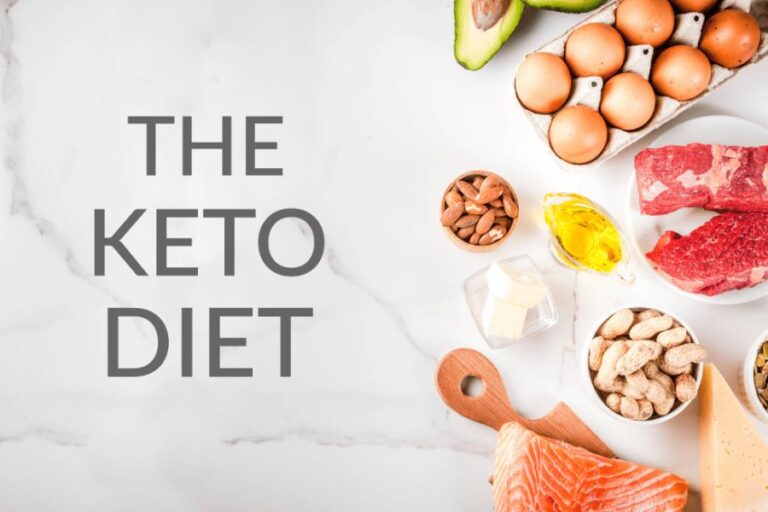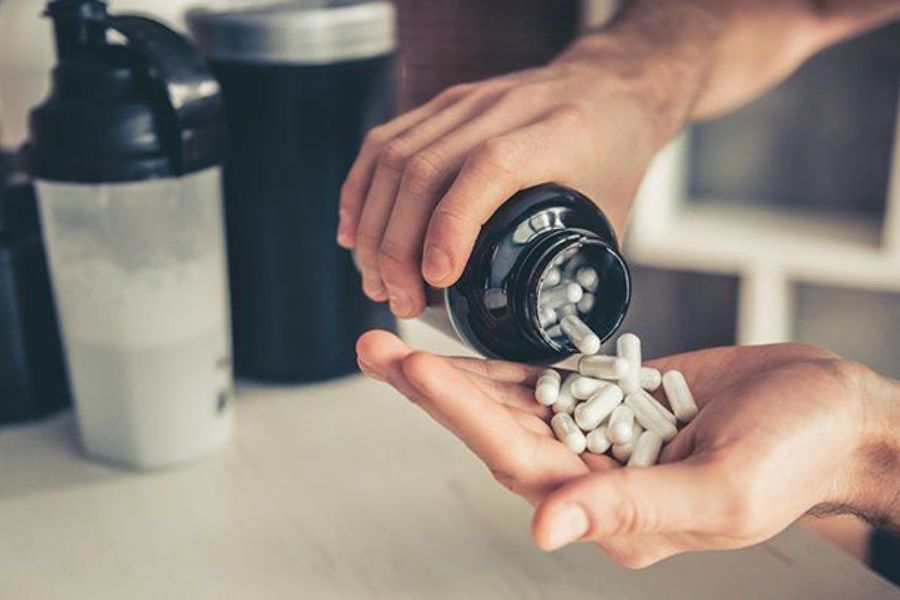
Creatine often shows up in fitness conversations as a powder in a shaker bottle, but you actually get creatine from food first. Learning about natural sources of creatine helps you decide how much you can realistically get from your diet and when a supplement might make sense.
In this guide, you will see which foods are richest in creatine, how cooking changes creatine content, and what you might need to consider if you follow a plant-based diet.
What creatine does in your body
Creatine is a compound your body makes from three amino acids, arginine, glycine, and methionine. It is stored mainly in your muscles, where it helps produce adenosine triphosphate (ATP), the quick energy your muscles use for short, intense efforts like sprinting or lifting weights (Everyday Health).
You get creatine from two places. Your liver and kidneys make some, and you take in more from food or supplements. Sports dietitian Marita Radloff, RDN, notes that your diet is a primary source, especially if you eat animal protein regularly (Everyday Health).
When your muscles are well supplied with creatine, you may notice benefits such as:
- Better performance during short, high intensity exercise
- Slight increases in strength and power over time
- Improved ability to recover between heavy sets or sprints
That is why creatine has become so common in sports nutrition. Natural food sources matter because they set your baseline, even before you consider any supplement.
Why natural sources of creatine are animal based
If you are looking for natural sources of creatine, you need to look at animal foods. Creatine is stored in animal muscle tissue, so it is found in meats, poultry, and fish. It is not present in plant foods in any meaningful amount (Health, Men’s Health UK).
Researchers reviewing creatine and vegetarian diets confirm that the main natural dietary source of creatine is meat. Because of this, vegetarians and vegans typically consume very little creatine unless they use supplements (PMC). That gap shows up in blood, brain, and muscle tests, where vegetarians often have lower creatine levels than omnivores.
You still make some creatine internally, but your food choices strongly influence how full your creatine stores are, especially if you are active.
Top natural sources of creatine
Different animal foods supply different amounts of creatine per serving. You also get protein, vitamins, and minerals along with creatine, which is part of the appeal of focusing on whole foods.
Here are the main categories.
Red meat: Beef, pork, lamb, and more
Red meats, especially beef and pork, are among the richest natural sources of creatine.
- Beef: Lean cuts of beef provide about 0.5 grams of creatine per 4 ounce serving and about 2 grams per pound raw (Health, Verywell Health). Beef also supplies all nine essential amino acids plus iron, zinc, and B vitamins that support energy production and overall health.
- Pork: Pork contains around 2.3 grams of creatine per pound raw, which is about 0.57 grams per 4 ounce serving (Health). Other sources report 0.5 to 1 gram per serving, depending on the cut, along with over 27 grams of protein in a 4 ounce roasted pork loin plus potassium and vitamin B6 (Verywell Health).
- Lamb and mutton: Meats from sheep provide roughly 0.3 to 1.3 grams of creatine per 4 ounces and may even have higher creatine levels than beef, pork, and chicken in some analyses (Verywell Health).
Across red meats as a group, you are typically looking at about 4 to 5 grams of creatine per kilogram of raw meat. That means a 200 to 250 gram steak gives you around 1 to 1.25 grams of creatine (Men’s Health UK).
Poultry: Chicken and turkey
Chicken and turkey contain slightly less creatine than red meat but are still good natural sources.
A 6 ounce chicken breast provides about 0.3 grams of creatine along with all nine essential amino acids, selenium, and B vitamins. Those nutrients support muscle growth, metabolism, red blood cell production, and brain and heart health (Verywell Health, Everyday Health).
On a per kilogram basis, poultry contains about 3 grams of creatine. A typical serving of chicken breast, around 0.2 to 0.25 kilograms, provides roughly 0.6 to 0.8 grams of creatine (Men’s Health UK).
Fish and seafood: Salmon, herring, and more
Fish gives you creatine along with heart healthy fats, especially if you choose oily varieties.
- Herring: Kippered herring is one of the richest natural sources of creatine, with up to 5 grams per pound or about 1.25 grams per 4 ounce raw serving (Health). Some reports list 8 to 10 grams per kilogram of herring, which places it near the top of all foods for creatine content (Men’s Health UK).
- Salmon: Salmon provides about 0.5 grams of creatine per 4 ounce serving or about 2 grams per pound raw, and it also gives you omega 3 fats that support brain and heart health (Health). A typical 150 to 200 gram salmon fillet offers around 0.6 to 1 gram of creatine (Men’s Health UK).
- Other fish and shellfish: Cod, tuna, chicken, herring, salmon, pork, beef, and plaice are all listed as useful creatine foods that also provide protein, B vitamins, iron, zinc, and healthy fats (Everyday Health). In general, fish varieties supply around 0.2 to 0.5 grams of creatine per serving. Shrimp contains about 0.7 grams per kilogram, so a single serving gives you less than 0.1 grams of creatine (Verywell Health).
Fish can be a good option if you want creatine with less saturated fat than many red meats.
Eggs and dairy: Minimal creatine
Eggs and dairy are often viewed as protein staples, but they are not useful natural sources of creatine.
Eggs contain creatine primarily in the yolk at about 0.1 grams per egg. Milk and most dairy foods have only trace amounts of creatine, so you would need extremely large quantities to affect your total creatine intake in a meaningful way (Protéalpes, Men’s Health UK).
You can still include eggs and dairy for protein and micronutrients, but it helps to know that they barely move the needle on creatine.
Plant based foods: Essentially zero
Plant foods do not contain creatine in any practical amount. That includes grains, beans, nuts, seeds, vegetables, and fruits. This is why people who follow vegetarian or vegan diets consistently show lower creatine stores compared with omnivores (Men’s Health UK, PMC).
You can absolutely build a strong, healthy body on a plant based diet. You simply cannot rely on plants for creatine and may want to think about supplementation if performance or recovery is a priority.
How cooking methods affect creatine content
How you cook your food changes its creatine content. Creatine is sensitive to high, dry heat. When you fry, grill, or barbecue meats at high temperatures, you can lose around 30 to 50 percent of the creatine in the process (Protéalpes).
Gentler methods such as steaming, poaching, or lightly simmering meat or fish tend to preserve more creatine. If you are specifically trying to maximize creatine intake from food, you might want to:
- Rotate in more stews, braises, and poached dishes
- Avoid charring meat or cooking it to very well done
- Keep cooking times as short as food safety allows
When meat is cooked in a liquid, some of the creatine may move into the broth, so using that broth in soups or sauces helps you keep more of what you started with.
If you only look at raw creatine numbers, you may overestimate how much creatine you actually eat. Cooking style is part of the real world equation.
Can diet alone give you “creatine supplement” levels?
A common supplement dose for creatine is 3 to 5 grams per day. Researchers note that this is roughly the intake needed to saturate your body’s creatine stores for optimal performance, particularly in your muscles (Protéalpes).
To see what that looks like in food form, consider some estimates:
- Red meat: About 4 to 5 grams of creatine per kilogram of raw meat. You would need close to 1 kilogram of red meat each day to reach 5 grams of creatine. That is far more than most people eat and raises obvious cost, calorie, and environmental questions (Men’s Health UK).
- Oily fish: Salmon, tuna, and herring are rich in creatine and can offer up to 8 to 10 grams per kilogram in the case of herring. Yet to hit 5 grams from fish alone, you might need roughly 500 to 750 grams of oily fish every day (Men’s Health UK).
- Poultry: With around 3 grams of creatine per kilogram, you would be looking at more than a kilogram of chicken or turkey daily to reach 5 grams of creatine, which is not realistic for most people (Men’s Health UK).
Because of these quantities, many athletes and active people find that using natural sources of creatine for baseline nutrition plus a small daily supplement is more practical than trying to rely on food alone.
What if you are vegetarian or vegan?
If you avoid meat and fish, your dietary creatine intake is close to zero. Studies show that vegetarians and vegans have:
- 27 to 50 percent lower creatine concentrations in red blood cells
- Around 50 percent lower creatine in plasma
- 35 to 39 percent lower creatine in serum
- About 10 to 15 percent lower creatine in the vastus lateralis muscle, a key muscle in your thigh (PMC)
These lower stores do not automatically mean you are unhealthy. However, they may affect your ability to perform repeated high intensity efforts or to gain strength as efficiently as someone with higher creatine stores. Some reports suggest that vegetarians can have slightly reduced strength gains compared with omnivores, partly because they get little natural creatine from food (Reddit Fitness).
The same research shows that when vegetarians do supplement with creatine, they often respond more strongly. Their plasma and muscle creatine and phosphocreatine levels rise more, sometimes even reaching a level of “super compensation” above typical omnivore levels (PMC).
A few key points if you follow a plant based diet:
- A minimum effective dose of about 1 gram of creatine per day appears enough to prevent your muscle creatine stores from dropping compared to omnivores. That 1 gram is similar to what you would get from 200 grams of steak if you ate meat (PMC).
- Most creatine supplements are synthesized from non animal sources such as sarcosine and cyanamide. That means the powder itself is typically vegan friendly. You only need to watch out for gelatin capsules, which may contain animal by products (PMC).
- Since plant foods do not supply creatine, supplementation is usually the only practical way for you to increase your creatine intake. Synthetic creatine is widely accepted as safe and is often recommended for vegetarians and vegans who want the performance and cognitive benefits of fuller creatine stores (Reddit Fitness).
If you are curious but unsure, you can talk with a healthcare provider or dietitian about your training level, diet pattern, and any health conditions before adding a supplement.
When a creatine supplement might help
Even if you eat meat or fish, there are limits to what natural sources of creatine can do. To reach the 3 to 5 gram daily intake associated with performance benefits, most people would have to eat more animal protein than feels comfortable or sustainable.
That is where creatine monohydrate, the most studied form of creatine, often comes in. A simple daily dose gives you:
- Precise, consistent dosing without relying on very large portions of meat or fish
- A way to support your training even if you eat relatively small amounts of animal protein
- A vegan, animal product free option if you choose a powder without gelatin capsules (Protéalpes, PMC)
Many athletes prefer this blended strategy. You use food first, choosing creatine rich options like beef, pork, chicken, and oily fish to build a nutrient dense base. Then, if your goals or diet pattern call for more, you layer in a modest supplement dose.
How to put this into practice
You do not need to overhaul your entire diet overnight to benefit from natural sources of creatine. Instead, you can:
- Swap in one or two creatine rich meals per week, such as a salmon dinner or a lean beef stir fry
- Pay attention to cooking methods, choosing more gentle techniques when possible
- Consider your overall intake, activity level, and dietary pattern to decide whether a small daily supplement might make sense
If you eat plant based, your focus will be less on food sources of creatine and more on whether a vegan creatine supplement fits your health and fitness goals. Either way, understanding where creatine comes from and how your choices affect your levels gives you more control over your energy, performance, and recovery.
About the Author