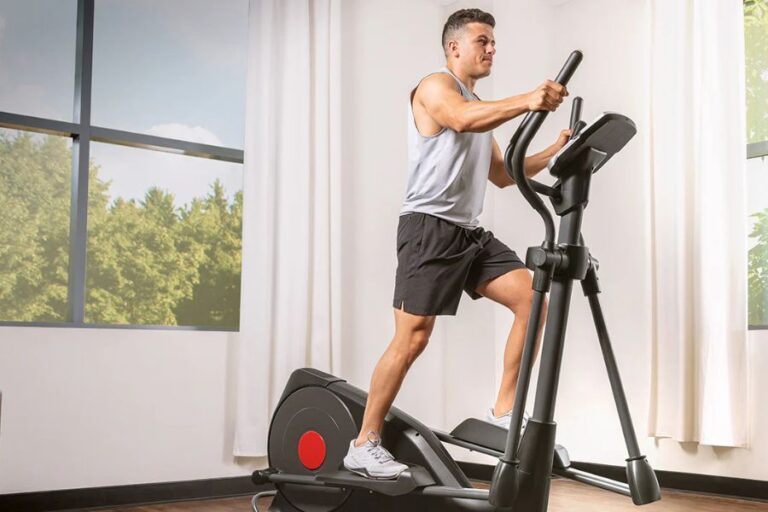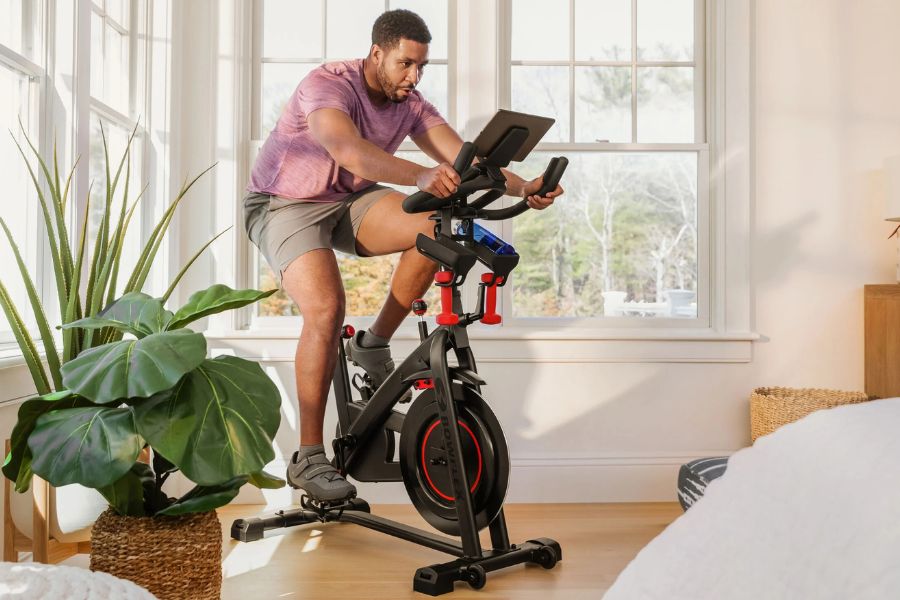
Interval training on an exercise bike can look a little intimidating at first. Short, hard efforts, heavy breathing, legs on fire. But when you use it correctly, it becomes one of the most efficient ways to burn fat, build fitness, and get more results from the time you already spend working out.
In this guide, you will see how interval training on an exercise bike works, why it is so effective for weight loss and health, and how you can start using it safely, even if you are a beginner.
What interval training on an exercise bike actually is
Interval training, often called high intensity interval training or HIIT, is a simple idea. You alternate short bursts of harder cycling with easier periods to recover. On a stationary bike, that usually means changing resistance, speed, or both.
According to researchers, HIIT on an exercise bike usually involves efforts at or above 90% of your maximal oxygen uptake or more than 75% of your maximal power, paired with rest or low intensity pedaling in between (NCBI – MDPI). You are not riding all out for your whole workout. You are going hard for brief windows, then backing off.
You can change:
- How long you push hard
- How long you recover
- How many total intervals you do
- How intense each “work” segment feels
This flexibility is what makes interval training on an exercise bike easy to tailor to your schedule, your fitness level, and your goals.
Why intervals beat steady cycling for busy people
Steady state cycling, where you pedal at a moderate, consistent pace, is valuable for building a base of fitness. The problem is that it usually takes more time to see the same improvements that you can get from intervals.
Studies on low volume HIIT with a cycle ergometer found that less than 15 minutes of high intensity work in a session can significantly improve cardiometabolic health and cardiovascular endurance, while using less total exercise time (NCBI – MDPI). In other words, you can get more health benefits in less time.
Sprint interval training, which is just a very intense form of HIIT, has produced similar or better improvements in muscle oxidative capacity, endurance, insulin sensitivity, and fat loss compared to moderate intensity continuous training, even with about 90% less total training volume (NCBI – MDPI). That is a huge difference when you are trying to fit workouts into a packed week.
If you feel like you “do not have time” to exercise, this is where interval training changes the game. A short, focused bike session can rival, or sometimes beat, a much longer steady ride.
How interval training supports weight loss
Weight loss still comes down to burning more calories than you take in. Intervals will not cancel out a poor diet, but they can help you create that calorie deficit more efficiently.
High intensity bouts on an exercise bike spike your energy use in the moment and increase your metabolism for hours after you finish. For example, CAROL Bike’s Fat Burn workouts, which use 60 sets of 8 second sprints, have been shown to burn about twice as many calories as moderate cycling sessions of similar length (Carolbike).
Their Reduced Exertion HIIT (REHIT) protocol uses just 2 sets of 20 second sprints inside a 5 minute workout. Yet this approach can burn more calories in 15 minutes than a 30 minute run, largely because your metabolism stays elevated after you step off the bike (Carolbike).
In one clinical trial, a 15 minute Fat Burn ride with 30 sprints burned an average of 281 calories during and after the workout (Carolbike). For many people, that is the calorie equivalent of a small meal, in the time it takes to watch a short TV episode.
Interval training has also been linked to reductions in body weight and fat mass in people with overweight or obesity. A 12 week cycling HIIT program with 10 intervals of 45 seconds at 80 to 85% of maximal heart rate, three times per week, led to lower body weight and fat mass in men around 54 years old (PubMed). That is a significant result from a realistic schedule.
Health benefits that go beyond the scale
Even if weight loss is your main goal, you also care about feeling better and staying healthier long term. Interval training on an exercise bike checks those boxes too.
Research on cycle based HIIT and sprint training shows improvements in:
- Skeletal muscle oxidative capacity, which helps you use oxygen more efficiently
- Endurance capacity, so daily tasks and workouts feel easier
- Insulin sensitivity, which supports better blood sugar control
- Resting fat oxidation, which means your body uses more fat as fuel at rest
- Overall cardiovascular fitness, a strong predictor of longevity (NCBI – MDPI)
In older adults, a 5 year randomized trial that included twice weekly HIIT cycling sessions of 4 x 4 minutes at 85 to 95% of peak heart rate found that HIIT was safe and had the lowest mortality rate compared to moderate training or just following general activity guidelines, although the differences were not statistically significant (NCBI – MDPI). That supports the idea that well designed intense cycling can be part of a healthy aging plan when cleared by your doctor.
Intervals do more than help you “get in shape.” They train your heart, lungs, muscles, and metabolism in a very efficient way.
Why an exercise bike is ideal for intervals
You can do intervals with running or outdoor cycling, but a stationary bike has clear advantages if your goal is safe, consistent training.
You can precisely control resistance and cadence on every interval, which makes your sessions repeatable and easier to track. Indoor bikes are joint friendly, so you can push your heart and lungs without the impact that comes with running. That is especially helpful if you have knee, hip, or back concerns.
Because you are inside and not dealing with traffic, hills, or weather, you can focus entirely on effort and recovery. Freebeatfit notes that interval training on stationary bikes is a controlled and repeatable way to improve cycling performance and overall fitness (Freebeatfit). For you, that means less guesswork and more progress.
Getting the intensity right without fancy gadgets
You do not need a power meter or lab test to benefit from interval training on an exercise bike. Rate of perceived exertion and simple heart rate checks are enough when you are starting out.
Here is an easy way to think of intensity:
- Easy recovery: You can talk in full sentences and your breathing is comfortable
- Moderate: You can say a few words at a time, breathing is deeper but controlled
- Hard: Speaking more than a couple of words is challenging, you feel focused and strained
- Very hard: You can maybe get out one word, your legs burn, and you know you cannot hold it long
In one Reddit example, a rider doing steady indoor cycling at moderate resistance kept a heart rate of about 160 beats per minute, then saw it climb above 170 beats per minute during high resistance intervals (Reddit Fitness). You may not see the same numbers, but you will feel a similar jump in effort when you switch from steady riding to intervals.
As you learn what each effort level feels like, you can adjust resistance and cadence to stay in the right zone.
Sample interval workouts you can start today
Below are three interval workouts you can try on almost any exercise bike. Start with the beginner option and only move up when that session feels manageable.
1. Beginner “intro to intervals” ride
This workout is gentle but introduces your body to the push and recover rhythm.
- Warm up: 5 to 8 minutes of easy pedaling at low resistance
- Main set: 8 to 10 rounds of
- 30 seconds at a “comfortably hard” pace, think 7 out of 10 effort
- 90 seconds very easy pedaling
- Cool down: 5 minutes easy
You should finish feeling worked, but not destroyed. If you track heart rate, keep the hard sections below all out sprint level.
2. Time efficient fat burn session
This workout mirrors what research and commercial protocols use for effective calorie burn.
- Warm up: 5 minutes, gradually increasing from very easy to moderate
- Main set: 10 rounds of
- 45 seconds hard, around 80 to 85% of your max heart rate if you know it, or 8 out of 10 effort
- 90 seconds easy spinning
- Cool down: 5 minutes easy
A 12 week program with similar parameters led to weight and fat mass reductions in men with overweight or obesity (PubMed), so this is not just a “feels hard” routine, it has evidence behind it.
3. Very short, very intense REHIT style ride
Use this on days when you are truly short on time but cleared for intense exercise.
- Warm up: 5 to 7 minutes, slowly building to moderate intensity
- Main set: 2 to 3 rounds of
- 20 seconds almost all out, heavy resistance and fast cadence
- 2 to 3 minutes very easy pedaling
- Cool down: 5 minutes easy
REHIT protocols that use short, all out sprints have been shown to trigger powerful metabolic adaptations and higher total calorie burn per minute than traditional cardio (Carolbike). Use this carefully and only a couple of times per week.
How often you should do interval training
Your ideal schedule depends on your current fitness and how your body responds. A helpful framework from Shimano suggests that around 80% of your training should be aerobic and comfortable, and about 20% can be higher intensity intervals (Shimano).
For many people that looks like:
- 2 or 3 interval sessions per week
- 1 to 3 easier steady rides or other low intensity activities in between
Bicycling magazine notes that just two weeks of interval training on an exercise bike can already improve cycling performance (Bicycling). That is encouraging if you want to see quick progress, but it is still smart to ramp up slowly so your joints, tendons, and nervous system have time to adapt.
Staying safe and avoiding burnout
Intervals are powerful, which is exactly why you need to treat them with respect. A few simple habits will help you get the benefits without the setbacks.
Listen closely to your body. Shimano’s guidance is to compete only with your own progress, balance intense days with easier ones, and stay aware of warning signs like unusual fatigue or pain (Shimano). If you feel wiped out for days after a session, reduce your intensity, the number of intervals, or the number of weekly sessions.
Make warm ups and cool downs non negotiable. Your heart, lungs, and muscles respond better when they ease in and out of hard work. Skipping these pieces is an easy way to risk injury or dizziness.
If you have any cardiovascular, metabolic, or orthopedic conditions, talk to your healthcare provider before starting hard intervals. The research shows that HIIT cycling can be safe and beneficial, even in older adults, but your individual situation matters (NCBI – MDPI).
Think of interval training on an exercise bike as a tool. Used thoughtfully, it can change your fitness and health in a fraction of the time you expect.
Putting it all together
When you combine the science with real world practicality, interval training on an exercise bike stands out for a few key reasons. It gives you more calorie burn and fat loss per minute than steady pedaling. It strengthens your heart, lungs, and metabolism in ways that support long term health. It fits into busy schedules and can be customized to your fitness level and goals.
You do not need to be an athlete to benefit from it. You only need a bike, a plan that matches your current capacity, and the patience to progress over weeks and months instead of days.
Start with one simple interval session this week. Notice how you feel during and after, then build from there. With consistent effort and smart recovery, you will likely find that interval training on an exercise bike does not just change your workouts. It changes what you believe you are capable of.
About the Author