A paleo diet plan can absolutely help you lose weight and improve your health, but only if it feels realistic in your daily life. If you are constantly stressed about what to eat, you are more likely to give up than see results. The goal is not perfection. It is building simple habits that make paleo your default, not a battle of willpower every day.
Below, you will learn how to design a paleo diet plan that fits your schedule, keeps you full, and lets you enjoy food, all without obsessing over every bite.
Understand what “paleo” really means
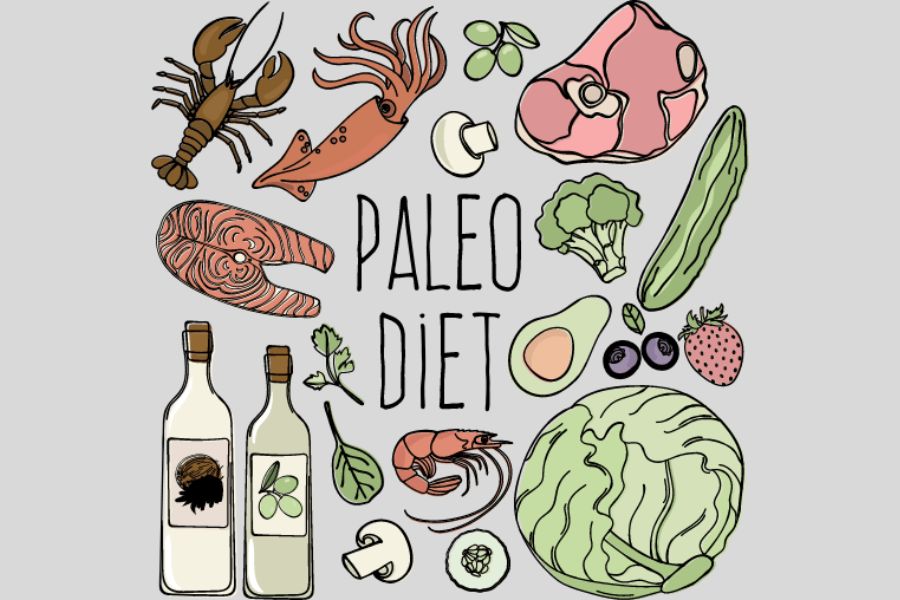
Before you can stick to a paleo diet plan, you need a clear picture of what you are aiming for. At its core, paleo focuses on whole, unprocessed foods that resemble what hunter-gatherers might have eaten. That usually includes vegetables, fruits, lean meats, fish, eggs, nuts, seeds, healthy fats, and herbs and spices (Healthline).
On the flip side, you skip modern processed foods and ingredients such as sugar, bread, most vegetable oils, legumes, dairy, and gluten-containing grains (Healthline). Many followers also limit starchy vegetables and very sweet fruits if weight loss is a priority.
You will see different “versions” of paleo. Some people include small amounts of grass fed butter or gluten free grains like rice. Others are stricter and avoid all grains and dairy entirely (Healthline). You do not have to decide every detail on day one, but you should know your own boundaries. Clear rules make daily choices less stressful.
Set realistic goals from the start
Trying to overhaul your entire diet overnight is one of the fastest ways to burn out. Instead, match your paleo diet plan to your current starting point and your real life.
If you are brand new to paleo, consider:
- Focusing on one meal at a time, like making breakfast fully paleo for two weeks
- Setting a simple rule like “no added sugar on weekdays”
- Swapping out one non paleo item per day, such as bread at lunch or sugary snacks at 3 p.m.
You might also decide what “success” looks like in the first month. It could be cooking at home five nights a week, eating vegetables at every meal, or going two weeks without soda. These are specific, trackable, and feel achievable, which lowers stress.
Remember that your goals are about building a sustainable way of eating, not punishing yourself. If you have any medical conditions, especially kidney issues, heart disease risk, or type 1 diabetes, it is smart to talk with a healthcare provider before you fully embrace paleo, since it may not be ideal for everyone (Everyday Health).
Stock your kitchen the smart way
A stress free paleo diet plan starts in your pantry, not on your plate. When you have paleo friendly food within reach, you make better choices without thinking too hard.
Start by phasing out the foods that you know do not fit your plan, like packaged snacks, sugary cereals, and refined breads. You do not have to throw everything out at once, but stop buying them so that they naturally fade from your routine.
Next, build a basic paleo “starter kit” that you can turn into quick meals. For example:
- Vegetables: leafy greens, broccoli, cauliflower, carrots, bell peppers, zucchini
- Fruits: berries, apples, oranges, bananas in moderation if you are watching sugar (EatingWell)
- Proteins: eggs, chicken, turkey, grass fed beef, wild caught fish, canned tuna or salmon
- Healthy fats: olive oil, avocado oil, avocados, nuts, seeds
- Flavor boosters: garlic, onions, lemons, herbs, spices
Many structured paleo meal plans use exactly these types of foods over and over again. For example, The Paleo Diet® “What to Eat This Week” series builds weekly menus around seasonal vegetables, lean meats, and simple pantry ingredients, which keeps shopping and cooking manageable (ThePaleoDiet.com).
Once your kitchen is set up, paleo meals are much easier, because you can often mix and match what you already have instead of relying on complicated recipes.
Keep your meals simple and repeatable
You do not need gourmet recipes to stick to your paleo diet plan. In fact, simple, repeatable meals are usually the least stressful.
Think in basic building blocks for each meal:
- Protein, such as eggs, chicken, or fish
- Non starchy vegetables, like spinach, broccoli, or peppers
- Healthy fat, such as avocado, nuts, or olive oil
A sample paleo day might look like:
- Breakfast: eggs with spinach and a side of raspberries
- Snack: pumpkin seeds with a few dried apricots
- Lunch: spaghetti squash with shrimp and tomato based sauce
- Snack: banana with almond butter
- Dinner: chicken with sweet potatoes and mixed vegetables (EatingWell)
You can make your own “rotation” with 2 or 3 breakfasts, lunches, and dinners that you like. Rotate them each week so you do not get bored. Nutritionist Aimee McNew notes that paleo does not have to be repetitive if you lean on creative yet straightforward meal ideas, which also makes grocery shopping easier (ThePaleoDiet.com).
The less you have to decide at every meal, the less overwhelmed you feel.
Plan ahead to avoid “I am starving” choices
Many people do fine on paleo at home but struggle the moment hunger hits unexpectedly. When you are tired, busy, and hungry, grabbing non paleo food is the easiest option.
Planning ahead is your best protection. This does not have to mean meal prepping every item in your fridge. Instead, focus on a few stress reducing habits:
- Cook extra at dinner so you have lunch ready the next day
- Keep a few ready to eat items available, such as a rotisserie chicken, pre washed salad mix, or frozen vegetables, similar to how Whole Foods Market suggests using prepared foods in their 7 day paleo friendly meal plan (Whole Foods Market)
- Set aside 1 to 2 hours on the weekend to roast a tray of vegetables, grill or bake proteins, and prep a simple sauce or dressing
Also, always have at least one fast backup meal in your kitchen, like canned salmon mixed with avocado over salad greens, or scrambled eggs with sautéed veggies. When you know you can put a paleo meal on the table in 10 minutes, last minute takeout feels less tempting.
Build a stress free paleo snack strategy
Snacks can quietly pull you off plan, especially if you used to rely on chips, crackers, or granola bars. On paleo, you are still allowed to snack, you just need to be more intentional.
Packable, paleo friendly snack ideas include:
- Raw vegetables with guacamole
- Nuts and seeds, portioned into small containers
- Dried fruit in modest amounts, such as dried mango slices
- Jerky or meat bars with simple ingredient lists
You can even find convenient paleo style snacks at major grocery stores. For example, a 7 day paleo meal plan from Whole Foods Market features items like dried mango slices, roasted seaweed, and grain free granola as grab and go options (Whole Foods Market). These can bridge the gap when you do not have time to prep.
The key is to keep paleo snacks where you need them most, such as in your bag, car, or office drawer. That way, you are less likely to be caught off guard by hunger and reach for non paleo foods out of convenience.
Avoid common paleo “traps”
Even when you are committed, a few common mistakes can make your paleo diet plan harder than it needs to be.
One big one is depending too heavily on packaged foods labeled as paleo. Cookies, bars, and baking mixes might technically fit the rules, but they are still processed and often high in sugar. Experts recommend keeping your focus on whole food ingredients instead of relying on “paleo” versions of dessert and junk food (Aaptiv).
Another trap is overeating meat. Paleo is not a license to pile your plate with large portions of meat at every meal. Very high intakes of animal protein, especially fatty cuts, can increase chronic health risks like heart disease and may put stress on the kidneys and liver (Bon Appétit). A more balanced approach treats meat as an accompaniment, not the sole focus of the plate.
Finally, be cautious with paleo desserts, even if they use coconut sugar, maple syrup, or honey. These are still forms of sugar and can easily stall weight loss if you treat them as everyday foods rather than occasional treats (Bon Appétit).
A simple guiding rule: build your meals around vegetables, then add protein and fat. Let treats of any kind be the extra, not the foundation.
Protect your nutrients so you feel your best
Cutting out grains, legumes, and dairy can simplify your diet, but it also raises the risk of missing certain nutrients over time. Whole grains and legumes provide fiber, B vitamins, and minerals like iron and magnesium, while dairy products are a major source of calcium in many diets (Everyday Health).
Without planning, this can lead to low fiber intake, which affects digestion and overall health. Since paleo excludes these fiber rich foods, experts recommend aiming for at least five servings of non starchy vegetables per day to help fill the gap (Aaptiv). Fruits, nuts, and seeds also contribute valuable fiber.
Calcium is another nutrient to watch. If you skip dairy, tofu, and legumes, you can still get calcium through paleo friendly choices like leafy greens, broccoli, mustard greens, and canned fish with bones, such as sardines or salmon (Aaptiv). Sunlight exposure and possibly supplements may support vitamin D, although you should speak with a healthcare provider about what is appropriate for you.
If you plan to follow a paleo diet long term, consider checking in with a registered dietitian. They can help you personalize your plan so that you cover vitamin D, calcium, folate, and other potential gaps while still aligning with paleo principles (Bon Appétit).
Give yourself flexibility and a long term mindset
There are no long term clinical studies that prove paleo is superior to every other healthy eating pattern. In fact, diets like the Mediterranean diet, which includes whole grains and low fat dairy, also show strong benefits for heart health and overall wellness (Mayo Clinic). What matters most is that your way of eating is mostly unprocessed, rich in fruits and vegetables, and sustainable for you.
You do not have to follow paleo with zero exceptions in order to see benefits. Some people thrive on a stricter version. Others feel better with a more flexible approach that allows an occasional non paleo meal at a restaurant or includes small amounts of dairy or gluten free grains. Modified versions of paleo exist for exactly this reason, to make the diet more adaptable to modern life (Healthline).
If you slip, treat it as information, not failure. Ask yourself what led to the choice, such as lack of planning, emotional eating, or social pressure. Then adjust your environment or habits rather than beating yourself up. A single off plan meal does not erase your progress, and stressing about it only makes it harder to get back on track.
Bringing it all together
Sticking to a paleo diet plan without stress comes down to a few core ideas. Understand the basics of paleo, set realistic goals, and stock your kitchen so healthy choices are the easy default. Keep your meals simple and repeatable, plan ahead for busy times, and build a snack strategy so that you are never at the mercy of last minute hunger.
Watch out for common traps like overdoing packaged “paleo” foods or relying too heavily on meat, and be intentional about getting enough fiber, calcium, and other key nutrients. Above all, think long term. The best paleo plan is not the strictest one on paper. It is the one you can see yourself following a year from now, with less stress, more energy, and a healthier relationship with food.
About the Author