Understand what a 30 minute HIIT workout is
A 30 minute HIIT workout combines short bursts of intense exercise with brief rest or low intensity periods. You push hard for a set time, recover just long enough to catch your breath, then repeat. In 20 to 30 minutes, you can challenge your entire body and boost your cardio fitness.
Most HIIT sessions last between 15 and 30 minutes, and research shows they can burn as many calories as longer steady cardio sessions, sometimes more. You also keep burning calories for hours afterward because of the afterburn effect, also known as excess post exercise oxygen consumption (EPOC).
If you are busy, a well designed 30 minute HIIT workout can give you a serious workout in less time than a typical gym session.
Why HIIT is so efficient
During high intensity intervals, your body uses energy quickly and creates a large oxygen “debt.” After you stop, your body keeps working hard to restore oxygen levels and repair muscles. That process raises your metabolic rate for 3 to 16 hours after your workout, so you continue to burn extra calories while you go about your day.
Studies have found that HIIT can:
- Burn 25 to 30 percent more calories than similar length steady state workouts
- Reduce body fat and waist circumference in adults with overweight or obesity
- Improve oxygen consumption as much as traditional endurance training in less time
- Reduce heart rate and blood pressure and improve insulin sensitivity in people with overweight and obesity
In short, you get a lot of “return” from a relatively short 30 minute HIIT workout.
Know who 30 minute HIIT is for
You do not need to be an athlete to try a 30 minute HIIT workout. You do need to be honest about your current fitness level and health.
A 30 minute HIIT routine can be a good fit if you:
- Have a busy schedule and want a fast, effective workout
- Enjoy short bursts of effort rather than long steady cardio
- Want to increase strength and cardio fitness at the same time
- Prefer home workouts with minimal or no equipment
You should talk to your doctor before starting HIIT if you:
- Have heart disease, high blood pressure, or diabetes
- Are pregnant or recently postpartum
- Have joint issues or a history of injuries
- Have been mostly inactive for a long time
Starting slowly, choosing low impact options, and focusing on form over speed will help you stay safe while you build up intensity.
Choose your HIIT equipment
You can complete an effective 30 minute HIIT workout with no equipment at all. Bodyweight exercises like burpees, mountain climbers, and high knees are enough to raise your heart rate and build strength.
If you want more variety or resistance, simple tools can level up your routine:
Jump rope
Jump ropes are classic HIIT gear. They are inexpensive, portable, and excellent for cardio and coordination. In short intervals, jump rope can burn a high number of calories. You can mix in:
- Basic jumps
- High knees
- Double unders (one jump, rope passes twice)
Kettlebells
Kettlebells challenge multiple muscle groups at once and work well in a 30 minute HIIT workout. You can improve strength, power, and endurance with movements like:
- Kettlebell swings
- Goblet squats
- Kettlebell snatches or cleans
Since these are compound moves, you get cardio and strength in a single interval.
Medicine ball
A medicine ball adds power and core training to your session. You can:
- Slam the ball to the ground
- Do Russian twists
- Add the ball to push ups or squats
Different weights let you adjust difficulty without changing the structure of your workout.
Dumbbells
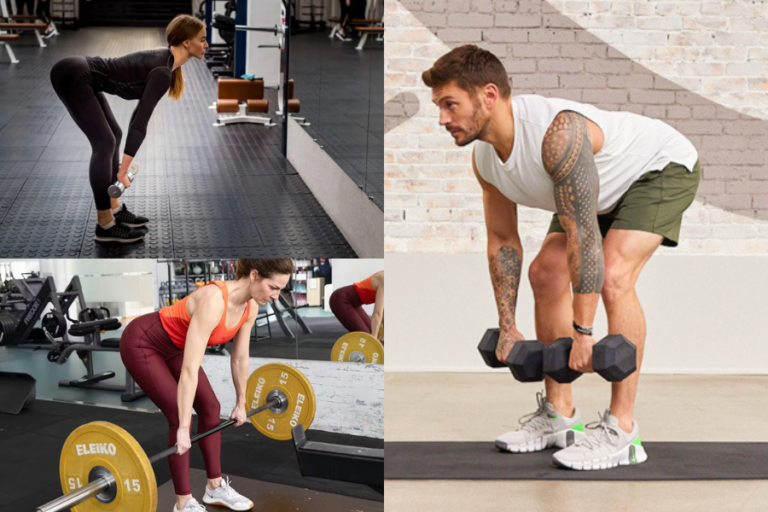
Dumbbells are ideal if you want your 30 minute HIIT workout to double as strength training. A circuit might include:
- Dumbbell squats
- Shoulder presses
- Bent over rows
- Floor presses
- Reverse lunges
Because you rest briefly between intervals, you can keep the intensity high without sacrificing form.
Warm up before you push hard
The “best” 30 minute HIIT workout always includes a warm up. You need a few minutes to increase blood flow, raise your heart rate gradually, and prepare your joints.
Aim for about 5 minutes of light movement, such as:
- Brisk walking or marching in place
- Gentle jogging or step touches
- Arm circles and shoulder rolls
- Hip circles and easy bodyweight squats
Focus on controlled motion, not speed. By the end of your warm up you should feel warmer and slightly short of breath, but you should still be able to talk.
Try this no equipment 30 minute HIIT workout
If you want a simple place to start, you can use the structure from a typical 30 minute HIIT workout:
- 5 minutes: Warm up
- 20 minutes: Intervals
- 5 minutes: Cool down and stretch
Below is a beginner friendly routine that uses only your body weight. You will work for 45 seconds, then rest for 15 seconds. Complete the circuit 4 times. Rest for 60 seconds between circuits if you need it.
Circuit exercises
-
Butt kickers
Jog in place and bring your heels toward your glutes. Keep your chest up and land softly. -
Skaters
Hop side to side, landing on one foot and sweeping the other foot behind you. Keep your knees soft to absorb impact. You can step instead of hop for a lower impact version. -
Reverse lunges
Step one leg back into a lunge, then return to standing and switch sides. Keep your front knee over your ankle, not beyond your toes. -
Plank
Hold a high or low plank. Keep your core tight, glutes engaged, and body in a straight line. Drop to your knees if your lower back starts to sag. -
Russian twists
Sit on the floor, lean back slightly, and twist your torso side to side. You can plant your heels on the ground or lift them for more challenge.
Work through exercises 1 to 5 with the 45 seconds on, 15 seconds off pattern. After one full round, rest for about 60 seconds. Repeat until you reach 20 minutes of intervals.
Adjust intensity by:
- Moving faster or slower
- Making moves higher or lower impact
- Shortening work periods if you are a beginner, for example 30 seconds work and 30 seconds rest
Build an equipment based 30 minute HIIT workout
Once you are comfortable with bodyweight intervals, you can add equipment for more variety and resistance. Below is an example of a 30 minute HIIT workout that uses common tools like dumbbells, kettlebells, a jump rope, and a medicine ball.
Sample structure (30 minutes total)
- 5 minutes: Warm up
- 20 minutes: 40 seconds work, 20 seconds rest
- 5 minutes: Cool down and stretch
Sample circuit
Rotate through the exercises below. Complete as many quality reps as you can during each 40 second work period.
-
Jump rope
Basic jumps or high knees with the rope. Focus on quick, light contacts with the ground. -
Kettlebell swings
Hinge at the hips, keep your back flat, and swing the kettlebell to about chest height using hip power. Your arms guide the weight rather than lift it. -
Dumbbell squats
Hold one or two dumbbells at your sides or in a goblet position. Sit back and down as if into a chair, then stand up tall. -
Push ups
Perform on your toes, knees, or elevated on a bench. Keep your body in a straight line and lower your chest toward the floor. -
Walking or reverse lunges
Hold light dumbbells if you can maintain form. Step back or forward into a lunge and alternate legs. -
Medicine ball slams
Lift the ball overhead and slam it to the ground with control, then catch or pick it up and repeat. Use your core and hips, not just your arms.
Repeat the six exercise circuit for about 3 rounds to reach the 20 minute interval block. Rest briefly between rounds as needed.
Understand how many calories you might burn
A common question is how many calories a 30 minute HIIT workout burns. Research and real world reports show a wide range. You might see estimates such as:
- Around 200 to 500 calories in 30 minutes, depending on body weight, fitness level, intensity, and rest periods
- Over 500 calories in very intense 30 minute sessions, as noted in some fitness articles like those from Crosstown Fitness in 2024
- About 25 to 30 percent more calorie burn compared to steady state exercise of similar duration in controlled studies
On the other hand, not every HIIT session is more efficient than every run or bike ride. One person shared that their fitness tracker showed about 300 calories for a 30 minute HIIT workout compared to roughly 840 calories for 30 minutes of running. Experiences like this highlight that intensity, movement choice, and individual differences matter a lot.
Instead of chasing a specific number, focus on:
- Working at an intensity that feels challenging but safe
- Staying consistent with your workouts
- Maintaining a calorie deficit if fat loss is your goal
Over time, those habits will matter more than the exact calorie count of any one 30 minute HIIT workout.
Protect your body with rest and recovery
Because HIIT is intense, recovery is not optional. It is not recommended to perform a 30 minute HIIT workout every single day. Too much high intensity training can:
- Stress your joints
- Disrupt hormones
- Increase fatigue and anxiety
- Raise injury risk
You will get better results if you:
- Limit full intensity HIIT to about 2 to 4 days per week, depending on your fitness and recovery
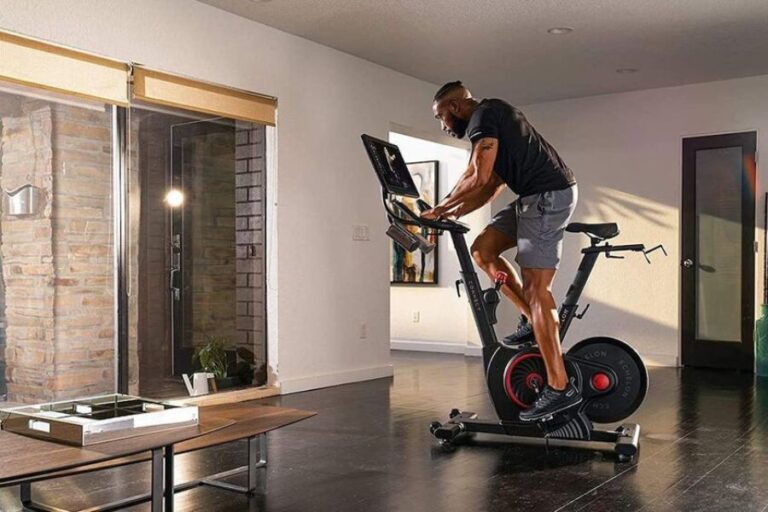
- Mix in lower intensity activities like walking, easy cycling, or gentle yoga on other days
- Sleep enough and eat enough protein and overall calories to support recovery
During the workout itself, use the rest periods. HIIT is designed around effort plus recovery, not all out effort for 30 minutes straight.
Cool down and stretch after HIIT
The last 5 minutes of your 30 minute HIIT workout should help your heart rate return to normal and your muscles relax. A simple cool down might include:
- Slow walk or march for 2 to 3 minutes
- Static stretches for the main muscles you used, each held for about 20 to 30 seconds:
- Quads (front of thighs)
- Hamstrings (back of thighs)
- Glutes
- Calves
- Chest and shoulders
Holding these stretches can reduce stiffness and help prevent some post workout soreness.
Tailor HIIT to your goals
You can adjust a 30 minute HIIT workout to match what you want most right now.
-
For fat loss:
Focus on consistency, a moderate calorie deficit, and intervals that raise your heart rate strongly without breaking your form. Combine cardio intervals with large muscle strength moves like squats and lunges to burn more energy. -
For strength and muscle:
Use dumbbells or kettlebells for your intervals and keep the weights challenging. You can slightly lengthen rest periods so you can maintain good form and power on each set. -
For cardio fitness:
Choose moves that keep your heart rate high, such as jump rope, mountain climbers, high knees, and sprints. Intervals like Tabata, 20 seconds work and 10 seconds rest for 8 rounds, can be very effective in small doses.
What matters most is that your workout feels sustainable. You should finish tired but not crushed.
Put it all together
A “best” 30 minute HIIT workout is one that you can do regularly, that fits your current fitness level, and that moves you toward your goals. You can:
- Start with a simple bodyweight circuit and 30 second intervals
- Add equipment like a jump rope, kettlebell, dumbbells, or a medicine ball as you get stronger
- Keep warm ups and cool downs as non negotiable parts of your sessions
- Give yourself rest days so your body can adapt
Choose one of the sample routines and try it this week. Pay attention to how your body feels during and after. From there, you can adjust intervals, exercises, and equipment until your 30 minute HIIT workout feels challenging, efficient, and uniquely yours.
About the Author