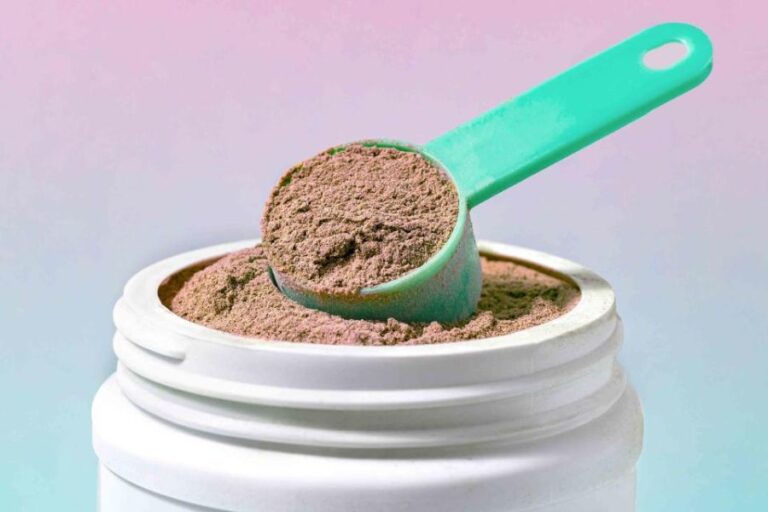
CoQ10 shows up in two main forms on supplement labels, ubiquinone and ubiquinol. At first glance they look interchangeable, so it is natural to wonder whether ubiquinone vs ubiquinol really matters for your body, your heart, and your wallet.
You actually use both forms all the time. Your cells constantly convert ubiquinone into ubiquinol and back again to make energy and protect you from oxidative stress. That means the real question is not which one is “good” and which one is “bad,” but which form makes sense for your age, health goals, and budget.
Below, you will learn what each form does, how they compare in research, and how to choose the right CoQ10 supplement for you.
Understand what CoQ10 does
Coenzyme Q10, or CoQ10, is a vitamin-like compound your body makes naturally. It is especially concentrated in energy-hungry organs such as your heart, brain, kidneys, and reproductive organs. Its main jobs are:
- Helping your mitochondria produce ATP, the energy currency inside your cells
- Acting as a powerful fat-soluble antioxidant
- Supporting heart, brain, and metabolic health
CoQ10 exists in two interchanging forms:
- Ubiquinone (CoQ10), the oxidized form, is essential for ATP production in the electron transport chain
- Ubiquinol (CoQH2), the reduced form, is a strong lipid-soluble antioxidant and has anti-inflammatory properties (NCBI PMC)
Your cells cycle between these forms thousands of times per hour. One paper estimates each CoQ10 molecule goes through about 5,000 redox cycles every hour so that you can keep making energy and quenching free radicals (NCBI PMC).
Ubiquinone vs ubiquinol in your body
Chemically, the difference between ubiquinone and ubiquinol is just two hydrogen atoms. Ubiquinone is missing them, ubiquinol has them. That small change affects how each form behaves, but your body treats them as parts of the same system.
Inside your mitochondria, ubiquinone is reduced to ubiquinol, then ubiquinol is oxidized back to ubiquinone as electrons move along the electron transport chain. This back-and-forth, sometimes called the Q cycle, is a key step in ATP production (NCBI PMC).
Outside the mitochondria, enzymes like thioredoxin reductase, which depends on selenium, help recycle ubiquinone to ubiquinol. When selenium status is low, this recycling may not work as efficiently, which is one reason you sometimes see selenium and CoQ10 combined in heart health supplements (NCBI PMC).
The take-home for you: no matter which form you swallow, your body converts it into the mix of ubiquinone and ubiquinol it needs.
What science says about heart health
If you are looking at ubiquinone vs ubiquinol for heart health, it is worth focusing on actual outcome studies, not just lab numbers.
A review of 28 clinical trials in heart failure found that CoQ10 supplementation, in its ubiquinone form, significantly reduced cardiovascular death. In contrast, trials that used ubiquinol did not show the same reduction in mortality (NCBI PMC).
Two long-term studies are especially important:
- Q-SYMBIO and KiSel-10 both used ubiquinone. They reported reduced cardiovascular mortality and sustained benefits lasting up to 12 years after supplementation (NCBI PMC).
- In KiSel-10, elderly participants taking 200 mg per day of CoQ10 plus 200 mcg selenium for four years had 53% lower cardiovascular mortality, alongside better cardiac function and lower markers of inflammation and oxidative stress (NCBI PMC).
Ubiquinol absolutely supports heart function in theory and in smaller trials, but at this point, the strongest long-term clinical evidence for lowering cardiovascular deaths is with ubiquinone.
If you already have heart failure or higher cardiovascular risk, researchers currently recommend ubiquinone over ubiquinol for prevention and treatment. The difference seems to come from stability and how these forms behave over the long term in the body, not simply from short-term absorption (NCBI PMC).
Bioavailability myths and what really matters
You will often see ubiquinol marketed as “far more absorbable” than ubiquinone. The reality is more nuanced.
Some studies do show higher blood levels of CoQ10 after taking ubiquinol, especially in older adults. For example, trials by Evans and colleagues and others reported higher plasma CoQ10 with ubiquinol, although they often compared it to standard, non-optimized ubiquinone formulations (PMC – MDPI).
Other research tells a different story:
- A 2020 crossover study found that thermally dispersed ubiquinone had about twice the bioavailability of regular ubiquinone, and even outperformed ubiquinol. Ubiquinol reached only about 52% of the AUC (a measure of exposure) compared with the optimized ubiquinone formula (PMC – MDPI).
- Several trials, including work by Vitetta and Miles, found no significant difference in blood CoQ10 levels between ubiquinone and ubiquinol in healthy adults. Intestinal absorption varied a lot from person to person and did not reliably favor one form over the other (PMC – MDPI).
- Biochemistry studies show your cells use multiple enzymes to convert ubiquinone to ubiquinol, which means you do not need to ingest ubiquinol to end up with bioactive ubiquinol in tissues (PMC – MDPI).
In other words, how the supplement is formulated may matter more than which form you choose. Soft-gel capsules, presence of oils or fats, and crystal dispersion technology can all significantly change how much CoQ10 you actually absorb (PMC – MDPI).
When ubiquinone might be your best bet
Ubiquinone has been used in supplements and research for decades. It is generally:
- Highly stable
- Widely studied, especially for heart health and fertility
- Less expensive to manufacture, so your cost per milligram is lower
For heart conditions, multiple randomized trials show benefits at doses of 60 to 300 mg per day, often with stronger effects than higher doses of ubiquinol. In heart failure studies where ubiquinol was used at 300 to 600 mg per day, the mortality benefits were less impressive than with lower-dose ubiquinone (NCBI PMC).
In fertility research, ubiquinone has improved sperm count, motility, and morphology in men in numerous trials, while there is no strong evidence that ubiquinol is superior for this specific goal (Give Legacy).
If you are younger, generally healthy, and not on medications that affect CoQ10 levels, your body is usually very capable of converting ubiquinone to ubiquinol as needed (Live Momentous). That makes ubiquinone a cost-effective option for:
- General wellness and energy support
- Long-term cardiovascular protection
- Fertility support for men
- Everyday antioxidant needs
When ubiquinol can make more sense
Even though your body interconverts the two forms, ubiquinol can be helpful in specific situations.
Studies and expert reviews note that ubiquinol is:
- The directly active antioxidant form of CoQ10
- Often better absorbed in older adults or people with reduced conversion capacity
- A good choice for people over 40, those on statins, or those with chronic fatigue or more complex cardiovascular concerns (Live Momentous)
Research examples include:
- In young athletes, 300 mg per day of ubiquinol over six weeks increased peak power output (Live Momentous).
- In people with chronic fatigue, 150 mg per day of ubiquinol improved mood, relaxation, and autonomic function in about four weeks (Live Momentous).
- A 2018 study in older men found ubiquinol increased CoQ10 activity more than ubiquinone, but a 2020 study reported no statistically significant difference in overall bioavailability, and blood CoQ10 still appeared mostly as ubiquinol regardless of which form was taken (Give Legacy).
So if you are older, dealing with fatigue, or on medications that may lower CoQ10, you might feel a difference more quickly with ubiquinol, even if long-term outcome data are still stronger for ubiquinone.
Side effects, safety, and dosage
Both ubiquinone and ubiquinol have very similar safety profiles. They are generally well tolerated, with mild and uncommon side effects such as:
- Upset stomach
- Nausea or diarrhea
- Headache
- Occasionally insomnia
Taking your CoQ10 with food or lowering your dose can help if you notice digestive issues (Live Momentous).
Because CoQ10 can interact with certain medications, especially blood thinners, blood pressure drugs, and some chemotherapy agents, you should check with your healthcare provider before starting, particularly at higher doses (Live Momentous).
Typical dosage ranges
- General wellness: 60 to 100 mg per day
- Heart support: 100 to 300 mg per day, often divided into two doses
- Athletic performance or fatigue: 150 to 300 mg per day, based on trial designs
Always follow the instructions on the product you choose and the guidance of your clinician.
How to choose the right CoQ10 supplement
Rather than focusing only on ubiquinone vs ubiquinol, it helps to look at the whole product. Use this quick comparison as a guide:
| Question | Ubiquinone may suit you if… | Ubiquinol may suit you if… |
|---|---|---|
| Your main goal | You want cost-effective everyday heart and energy support backed by long-term outcome studies | You want a potentially faster boost in older age, fatigue, or under heavy training |
| Age & health | You are under 40 or generally healthy with good digestion | You are over 40, on statins, or suspect reduced conversion capacity |
| Budget | You want the most milligrams for your money | You are comfortable paying more per capsule for possible absorption advantages |
| Evidence priority | You prioritize long-term studies on mortality, heart failure, and fertility | You are interested in performance and symptom-focused trials, even if long-term data are fewer |
Regardless of the form, look for:
- A soft-gel or oil-based capsule, since CoQ10 is fat-soluble (NatureWise)
- Clear labeling of milligrams per serving
- Third-party testing where possible
- A formulation that mentions improved dispersion or absorption technology, particularly for ubiquinone (PMC – MDPI)
You can also support your levels naturally by eating fatty fish, beef, and whole grains, though the typical diet only provides about 3 to 6 mg of CoQ10 per day, much lower than supplement doses used in studies (NatureWise).
Putting it all together for your body
For most people, the ubiquinone vs ubiquinol debate is less about right or wrong and more about fit.
If you are relatively young, cost conscious, and focused on long-term heart and fertility support, a well-formulated ubiquinone supplement offers strong evidence and good value. If you are older, dealing with low energy, or on medications that may deplete CoQ10, starting with ubiquinol or combining it with selenium may help you feel a difference sooner.
You can always begin with one form, track how you feel for a few months, and then adjust with your healthcare provider’s input. The most important step is simply making sure you get an absorbable CoQ10 that you can take consistently so your cells have the support they need to keep producing energy and protecting your heart over time.
About the Author