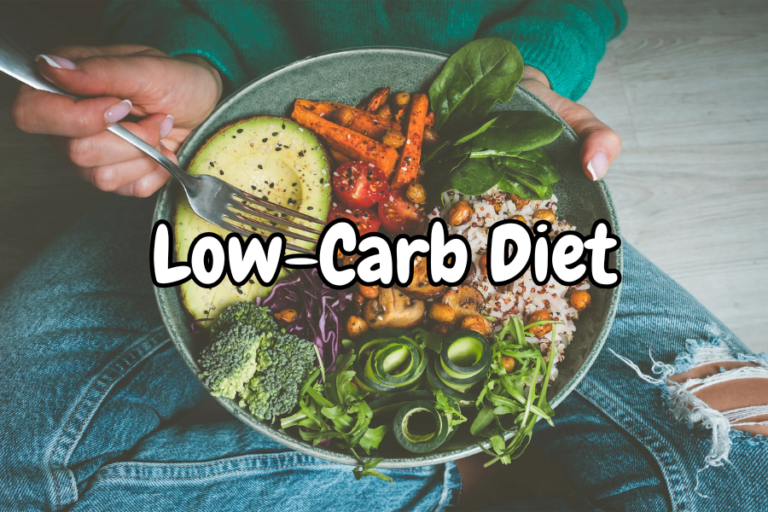
Understand what a personal weight management plan is
A personal weight management plan is simply a realistic, written roadmap that helps you lose weight and keep it off in a way that fits your life. Instead of following a one-size-fits-all diet, you create a structure that takes your health, schedule, preferences, and challenges into account.
A thoughtful plan focuses on:
- What you eat
- How you move
- How you manage stress and sleep
- How you stay motivated and accountable
This kind of structure matters. Even a modest weight loss of about 5 percent of your body weight, for example 10 pounds for someone who weighs 200 pounds, can improve blood pressure, cholesterol, and blood sugar levels and lower your risk for chronic diseases like heart disease and type 2 diabetes (CDC).
Instead of trying to change everything at once, you will get better results if you build your plan in simple, clear steps.
Clarify your “why” and your readiness
Before you focus on calories or workouts, you need to understand why you want to lose weight and whether you are ready to make changes.
Ask yourself:
- Why do I want to lose weight right now
- How might my health, energy, or daily life improve if I lose 5 to 10 percent of my current weight
- What has gotten in my way before
The Mayo Clinic notes that long term weight loss requires readiness to eat healthier, increase physical activity, and manage stress, sometimes with professional help (Mayo Clinic).
You might find it helpful to write your reasons on a note in your phone or on your fridge. When motivation dips, you can come back to this list.
Common barriers to be honest about
People often run into similar obstacles, such as:
- Physical limits or health conditions
- Emotional eating and stress
- Busy schedules and family responsibilities
- Social pressure at gatherings or work
- Feeling discouraged by past attempts
These are not personal failures. They are common barriers that a realistic personal weight management plan can address through small, specific strategies (Odam Medical Group).
Set realistic weight and behavior goals
Next, turn your motivation into clear goals. Your plan should include two types of goals: outcome goals and action goals.
Choose a healthy outcome goal
Outcome goals describe what you want to achieve on the scale or in your health markers. Helpful examples are:
- “I will lose 5 percent of my current weight over the next 3 months.”
- “I will work toward losing 1 to 2 pounds per week.”
The CDC and Mayo Clinic both recommend gradual weight loss of about 1 to 2 pounds per week, which is more likely to lead to lasting results than crash dieting (CDC, Mayo Clinic).
Turn your goal into concrete actions
Action goals describe what you will actually do each day or week. They are specific, realistic, and time-bound.
For example:
- “I will walk for 15 minutes three days a week this month.”
- “I will drink water instead of sugary beverages at lunch every weekday.”
- “I will add a vegetable to my dinner at least five nights a week.”
Focusing on two or three action goals at a time increases your chance of success (CDC). Once they feel natural, you can add new ones.
Shape your eating plan without extremes
Your personal weight management plan does not need to follow a trendy diet. It should help you reduce calories in a way that still feels satisfying and sustainable.
Start with a gentle calorie strategy
You do not have to count every calorie forever, but understanding portions can help. The Mayo Clinic explains that a target such as three meals of less than 500 calories, or about 1,500 calories per day for some adults, can create the deficit needed for weight loss, since roughly 3,500 calories equals about one pound of fat (Mayo Clinic Health System).
Your specific calorie needs depend on your size, age, sex, and activity level, so it is wise to ask your healthcare provider for guidance.
Focus on the quality of your food
You will find it easier to manage your weight if your plate is built around:
- Fruits and vegetables, which are low in calories and high in fiber
- Whole grains, like oats, brown rice, and whole wheat
- Lean proteins, such as beans, fish, chicken, or tofu
- Healthy fats, in small amounts, like nuts, seeds, and olive oil
Eating more plant based foods helps you feel full on fewer calories, since fiber promotes fullness (Mayo Clinic).
Simple daily swaps might include:
- Choosing fruit instead of dessert during the week
- Filling half your plate with vegetables at dinner
- Replacing refined grains with whole grains when possible
Try basic mindful eating habits
How you eat matters as much as what you eat. Mindful eating can help you avoid overeating by slowing you down and reconnecting you with hunger and fullness cues.
You can start with:
- Sitting down at a table without screens when you eat
- Taking smaller bites and putting your fork down between them
- Pausing halfway through your meal to ask, “Am I still hungry, or just comfortable”
These small changes can help you be more aware of portions without strict rules (Mayo Clinic).
Plan your meals and grocery trips
Planning is one of the most powerful parts of a personal weight management plan. It reduces last minute decisions that often lead to takeout or high calorie snacks.
Create a simple weekly menu
You do not need a complicated meal prep routine. A basic structure is enough.
Try:
- Writing down your dinner ideas for the week.
- Planning to eat leftovers for lunch the next day.
- Limiting restaurant meals or food delivery to once a week or less.
This approach saves money and time, and it keeps your meals more predictable, which supports weight loss (Mayo Clinic Health System).
Shop with intention
A smart grocery plan can support your goals before food even enters your kitchen.
Use these tips from Mayo Clinic Health System:
- Make a list based on your weekly menu and stick to it.
- Shop after a meal, not when you are hungry.
- Focus on the perimeter of the store where fresh produce, lean proteins, and dairy are usually found.
- Limit highly processed foods in the inner aisles, such as chips, sweets, and sugary drinks (Mayo Clinic Health System).
Even adjusting one or two habits, like not shopping when hungry, can cut down on impulse buys that work against your plan.
Build an activity routine that fits your life
Physical activity is a core part of any effective personal weight management plan. It burns calories and supports your heart, mood, and sleep.
The CDC recommends that adults get at least 150 minutes per week of moderate intensity aerobic activity, such as brisk walking, or 75 minutes per week of vigorous activity, plus muscle strengthening at least 2 days a week (CDC).
How much exercise you really need for weight loss
For basic health, 150 minutes per week is a solid target. For weight loss, research suggests that you may need more activity unless you are also lowering your calorie intake.
Findings include:
- Exercise alone often results in minimal weight loss unless you reach longer daily durations. Up to 60 minutes of exercise per day may be needed for meaningful weight loss in some people (Diabetes Spectrum).
- Longer and more intense regimens, such as about 7.4 hours per week or burning roughly 700 calories per day in exercise, have produced clinically significant weight loss in overweight and obese adults (Diabetes Spectrum).
This does not mean you have to start at 60 minutes per day. It does mean that increasing your activity level over time, even in small steps, can make a real difference.
Pick activities you actually enjoy
To stick with exercise, focus on what you like, not what you think you “should” do. The CDC provides a few examples of calories burned in 30 minutes for a 154 pound person (CDC):
- Brisk walking, about 140 calories
- Hiking, about 185 calories
- Running or jogging at 5 mph, about 295 calories
- Swimming laps, about 255 calories
If you dislike running, choose walking, dancing, or cycling. You are more likely to stay consistent if the activity feels enjoyable or at least tolerable.
Start small and schedule it
The Mayo Clinic Health System suggests writing down an exercise plan with specific times each day, even if it is only 20 minutes, to increase accountability (Mayo Clinic Health System).
You might begin with:
- Monday, Wednesday, Friday, 10 minute walks after dinner
- Saturday, 20 minutes of light strength training at home
Over time, you can build toward at least 30 minutes of steady aerobic exercise most days of the week, plus strength training twice a week (Mayo Clinic).
Remember the role of activity in maintenance
Even if most initial weight loss comes from reducing calories, regular physical activity plays a key role in keeping weight off. Studies suggest that expending about 1,500 to 2,000 calories per week in exercise is associated with preventing weight regain (Diabetes Spectrum).
That is one reason successful long term weight maintainers often report about one hour of activity per day (NCBI PMC).
Support your plan with lifestyle habits
Weight management is not only about food and exercise. Stress, sleep, and daily routines influence your appetite, cravings, and energy.
Prioritize sleep and stress management
A lifestyle that supports healthy weight typically includes:
- Good nutrition
- Regular physical activity
- Stress management
- Adequate sleep (CDC)
You can support your plan by:
- Setting a consistent bedtime and wake time, even on weekends
- Creating a short wind down routine, such as reading or stretching
- Trying simple stress reduction strategies, such as deep breathing, short walks, or journaling
If stress, anxiety, or depression feel overwhelming, connecting with a healthcare professional or counselor can be an important part of your personal weight management plan.
Watch for emotional and “mindless” eating
Many people eat when they feel bored, stressed, or sad, not just when they are physically hungry. You can start to notice patterns by asking yourself before you eat:
- “Am I truly hungry right now”
- “Could I be tired, stressed, or looking for a break instead”
If you realize you are not physically hungry, try another short activity first, such as making tea, stepping outside, or texting a friend. Over time, this can weaken the link between emotions and automatic snacking.
Build in accountability and support
You do not have to follow your personal weight management plan alone. Support can make a big difference in motivation and consistency.
Use self monitoring tools
People who successfully maintain weight loss often track their progress regularly. The National Weight Control Registry, which follows individuals who maintained an average loss of 23.1 kilograms for 10 years, found that many of them (NCBI PMC):
- Weigh themselves regularly
- Monitor what they eat
- Limit television to 10 hours or fewer per week
You can adapt this by:
- Weighing yourself once a week at the same time of day
- Keeping a simple food and activity log in a notebook or app
- Reviewing your notes once a week to spot patterns
Regular self monitoring helps you adjust early if your habits start to drift.
Find people who can encourage you
Support can come from:
- Family or friends who are willing to walk with you, or share healthy meals
- Coworkers who want to join you for lunchtime walks
- Healthcare professionals, such as your primary care provider, who can guide goals and options
- Weight loss programs that offer structure, accountability, and access to resources like nutrition counseling or approved medical treatments (CDC)
Sharing your goals with at least one trusted person can help you stay accountable, especially on days when motivation is low.
Know when to seek professional guidance
Sometimes, your best next step is to work more closely with a healthcare team. This can be especially helpful if you have significant weight to lose or health conditions like diabetes or heart disease.
Role of your primary care provider
Primary care providers play an important role in weight management. They can:
- Explain that obesity is a chronic condition, not a short term problem
- Help you set realistic, health focused weight loss goals
- Coordinate intensive lifestyle interventions
- Arrange regular follow up visits, often monthly for at least a year
- Consider medication or bariatric surgery for people who are good candidates (NCBI PMC)
Working with your provider can help you feel less alone and ensure your plan is safe for your specific health needs.
When medications or programs may help
For some people, lifestyle changes alone are not enough to reach or maintain a healthy weight. In those cases, FDA approved medications can support appetite control and satiety and make sticking to a lower calorie diet easier when combined with behavior changes (NCBI PMC).
Structured programs, such as the Mayo Clinic Diet, also provide long term frameworks built around habit change, not quick fixes. The Mayo Clinic Diet uses a Healthy Weight Pyramid that emphasizes unlimited vegetables and fruits at the base, moderate portions of other healthy foods, and limited high calorie items. It encourages at least 30 minutes of physical activity daily and focuses on reshaping lifestyle instead of short term restriction (Mayo Clinic).
If you feel stuck or discouraged, it is reasonable to ask your provider whether additional support, including medical treatments or specialized programs, might be appropriate for you.
Adjust your plan and celebrate progress
A personal weight management plan is not a rigid contract. It is a living document that you can adapt as you learn what works for you.
Review your progress regularly
Set a simple schedule to check in with yourself, for example once every two weeks or once a month. During that check in, ask:
- Which of my action goals have I followed most of the time
- Which ones have been harder to maintain
- Do I need to adjust my goals, my schedule, or my environment
The CDC recommends revisiting and adjusting your goals as needed, rather than viewing changes as failures (CDC).
If you feel stuck, you might:
- Simplify your goals and return to the basics, such as walking three times a week
- Modify your environment, like removing tempting snacks from the house
- Reach out to a support person or healthcare professional
Reward your efforts, not just your results
Motivation is easier to maintain when you recognize small wins. Meaningful rewards do not have to involve food.
You might:
- Plan a relaxing outing, such as a park visit or museum trip
- Buy a new book, plant, or small item you have been wanting
- Schedule a quiet hour for a hobby you enjoy
The CDC notes that rewarding achievements with non food incentives can support continued success (CDC).
Even maintaining a 5 to 10 percent weight loss for at least a year can significantly improve complications linked with obesity, such as cardiovascular disease, type 2 diabetes, depression, and sleep apnea (NCBI PMC). Those improvements are worth acknowledging.
Putting your plan together
To bring everything into a clear structure, you can use this simple template as a starting point for your personal weight management plan:
- My “why”
- Write 2 to 3 reasons you want to manage your weight.
- My outcome goal
- Example: “I will aim to lose 5 percent of my current weight over the next 3 months.”
- My first 3 action goals
- Nutrition: “I will add a vegetable to dinner 5 nights per week.”
- Activity: “I will walk for 15 minutes after work on Monday, Wednesday, and Friday.”
- Lifestyle: “I will be in bed with screens off by 10:30 p.m. on weeknights.”
- My weekly meal framework
- List 4 to 5 simple dinners and plan leftovers for lunches.
- Decide how often you will eat out.
- My grocery guidelines
- Shop after eating, using a list focused on the store perimeter.
- Limit highly processed snack foods.
- My activity schedule
- Write down when, where, and how long you will move each day, even if it is just 10 to 20 minutes at first.
- My support system
- Names of people and professionals you can check in with, plus any programs you plan to use.
- My check in routine
- Note how often you will review your goals and what you will track, such as weight, steps, or habits.
You do not need a perfect plan to start. You only need a clear first step that feels manageable. As you practice, you can refine your personal weight management plan into something that truly supports your health, one choice at a time.
About the Author