Understand what keto flu is
When you first cut carbs and start a ketogenic diet, you might notice a wave of fatigue, headaches, or brain fog instead of the energy boost you were hoping for. These early side effects are often called keto flu symptoms or “carb flu.”
Keto flu is not an official medical diagnosis, but rather a collection of flu-like symptoms that some people experience in the first few days of a very low carb, high fat diet. Researchers have not reached a scientific consensus on it, and there are no PubMed-indexed studies focused solely on keto flu yet (Harvard Health Publishing). Even so, many people report similar experiences when they first go keto.
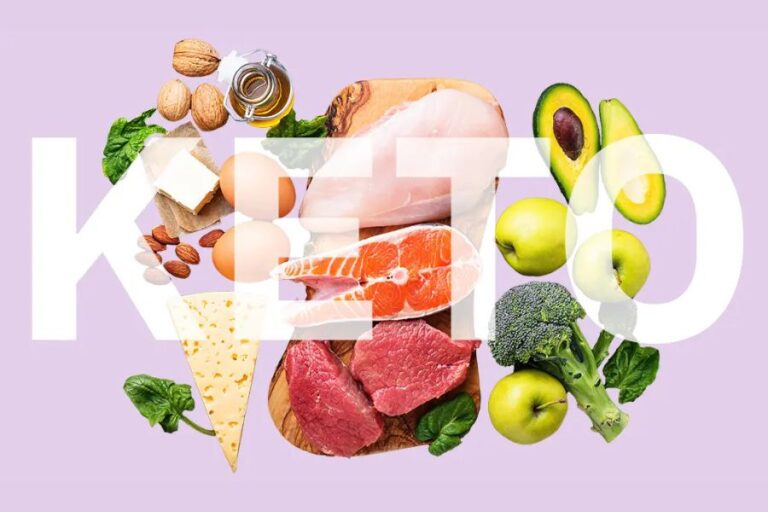
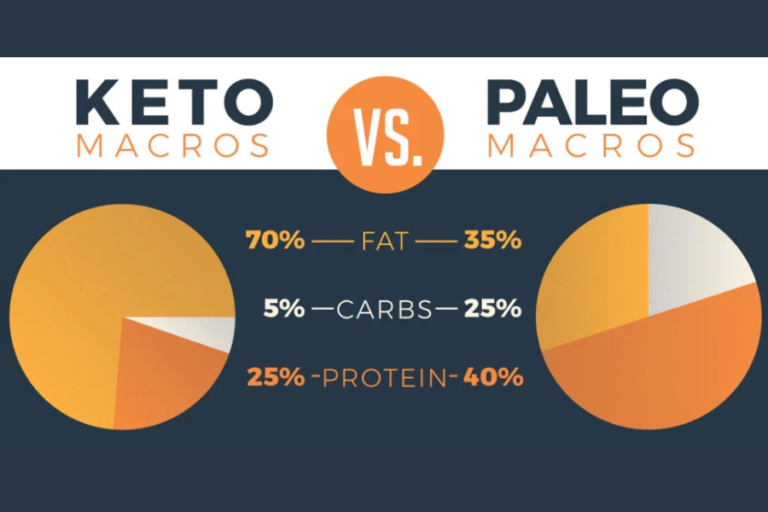
On keto, you sharply limit carbohydrates, usually to about 20 to 50 grams per day, and increase fat while keeping protein moderate. As your body shifts from burning glucose to burning ketones for fuel, you may feel worse before you feel better (Healthline).
Common keto flu symptoms
You will not automatically get keto flu symptoms just because you start keto, but it helps to know what to watch for. Most symptoms appear within the first few days and may last about a week, though some people feel them for longer (Intermountain Healthcare, WebMD).
Typical keto flu symptoms include (Harvard Health Publishing, Healthline, WebMD):
- Headache
- Brain fog or trouble concentrating
- Fatigue or low energy
- Irritability or mood changes
- Nausea
- Constipation or sometimes diarrhea
- Muscle cramps or general achiness
- Difficulty sleeping
- Strong sugar or carb cravings
You might feel like you are coming down with a mild flu, only without the fever.
When symptoms usually start and stop
Timing can vary from person to person, but patterns are fairly consistent across reports:
- Symptoms often begin within 1 to 2 days after you sharply reduce carbs (Intermountain Healthcare)
- They usually peak during the first week
- Many people feel better after about a week or less
- In some cases, keto flu symptoms can last up to a few weeks or about a month while your body adapts (Healthline, Intermountain Healthcare)
Some people do not experience keto flu at all, possibly because they have better metabolic flexibility, which means their bodies can switch fuel sources more easily (Intermountain Healthcare).
Why keto flu symptoms happen
Experts are still working to fully understand why keto flu happens. There is no single proven cause, but several likely contributors have been proposed.
Fluid loss and dehydration
When you cut carbs, your body quickly uses up stored glycogen. Glycogen holds water, so as these stores shrink, you lose water as well. This increased water loss can lead to dehydration, which is a key driver of symptoms such as headaches, fatigue, and dizziness (Healthline, WebMD).
Electrolyte imbalances
Along with water, your body also loses important electrolytes like sodium, potassium, and magnesium. Lower insulin levels on keto can increase how much sodium you excrete in your urine, which then affects other electrolytes too (Healthline, WebMD). This imbalance can cause:
- Muscle cramps
- Weakness
- Headaches
- Fatigue
Sudden carbohydrate withdrawal
You are used to running on carbs. When you suddenly take them away, your body and brain need time to adapt to using fat and ketones instead. Some experts suspect that this rapid carbohydrate withdrawal contributes to keto flu symptoms and strong cravings (Harvard Health Publishing).
Other possible factors
Because there is no definitive research, other theories about keto flu include:
- Detoxification from processed foods
- Changes in the gut microbiome
- Immune system responses to abrupt diet changes
These are still theories, not confirmed causes, but they highlight how your body can react when you change your eating pattern quickly (Harvard Health Publishing).
Factors that affect how you feel
Not everyone has the same experience with keto flu. Your symptoms and how long they last can depend on several things (Healthline):
-
Your previous carb intake
If you were eating a very high carb diet, the sudden drop to 20 to 50 grams per day can feel more drastic. -
How quickly you cut carbs
A sharp overnight change is more likely to trigger noticeable keto flu symptoms than a gradual reduction. -
Hydration and electrolyte status
If you are already low on fluids or minerals, symptoms can feel worse. -
Genetics and metabolic flexibility
Some people naturally switch to fat burning with very few side effects.
Ways to reduce keto flu symptoms
You do not have to just ride out keto flu and hope for the best. There are several practical steps you can take to ease symptoms while your body adapts.
1. Ease into keto instead of going all in overnight
If you have not started keto yet, consider a gradual transition rather than a sudden change to very low carbs. This can reduce the shock to your system and may lessen keto flu symptoms (Intermountain Healthcare, WebMD).
You can:
- Cut sugary drinks and desserts first
- Reduce refined grains like white bread and pasta
- Gradually lower your daily carb intake over 1 to 2 weeks
This gives your body more time to adjust to burning fat and ketones.
2. Drink more water than you think you need
Since your body sheds water when you reduce carbs, staying hydrated is one of the most important ways to ease keto flu symptoms.
During the early phase of keto, increase your water intake to help prevent:
- Headaches
- Fatigue
- Dizziness
Experts suggest drinking at least enough water to match about half of your body weight in ounces each day as a general guideline, especially when you are just starting keto (Intermountain Healthcare). You can adjust based on your size, activity level, and how you feel.
3. Replace electrolytes you are losing
To handle the extra water loss, you also need to replace sodium, potassium, and magnesium. Otherwise, you can feel weak, crampy, and foggy (Healthline, WebMD).
You can support electrolytes by:
- Lightly salting your food with regular or mineral-rich salt
- Eating potassium-rich, keto-friendly foods like leafy greens and avocados (Healthline)
- Including magnesium sources such as leafy greens and seeds
- Using electrolyte drinks or powders that are low in sugar, if they fit your plan
Pay extra attention if you notice muscle cramps, headaches, or unusual tiredness. Those can be signs you need more electrolytes.
4. Eat enough calories and healthy fats
If you lower carbs but forget to increase healthy fat, you may end up eating too few calories. This can lead to extra fatigue and stronger keto flu symptoms (Intermountain Healthcare, Healthline).
Focus on adding fats such as:
- Avocado
- Extra virgin olive oil and avocado oil
- Egg yolks
- Fatty cuts of meat, used in a way that fits your overall health goals
- Nuts and seeds, as your plan allows
These fats support your energy levels and help your body switch from using glucose to using fat for fuel.
5. Go easy on exercise in the first week
If you typically work out intensely, you may want to dial things back during your first days on keto. Intense exercise demands quick energy from carbs, and while your body is still adjusting, that can make you feel worse.
To reduce keto flu symptoms, try:
- Walking
- Gentle stretching
- Restorative or easy yoga
Avoid very strenuous workouts until your energy feels more stable (Healthline, WebMD).
6. Protect your sleep and rest time
Sleep and rest are essential when you are asking your metabolism to change gears.
You can support better sleep and recovery by:
- Going to bed at a consistent time
- Keeping your bedroom dark and cool
- Avoiding heavy meals right before bed
Some people find that Epsom salt baths or herbal teas such as chamomile that fit into a keto-friendly plan help them relax and rest more deeply (Intermountain Healthcare). Listen to your body. If you are unusually tired, it is okay to prioritize rest during this transition.
7. Watch your fiber for digestion
Constipation is a common complaint in the first days of keto. This can happen when you cut back on carb-rich foods that also supplied fiber.
To support digestion and reduce discomfort:
- Include low carb, high fiber vegetables like leafy greens, broccoli, and cauliflower
- Drink enough water throughout the day
- Consider small portions of other fiber-rich, keto-friendly foods as they fit your carb budget
If constipation or diarrhea is severe or does not improve, talk with a healthcare professional.
When you should talk to a doctor
Keto flu symptoms are usually temporary and manageable, but it is important to pay attention to how you feel.
You should contact a healthcare professional if:
- Symptoms are very intense or last longer than a few weeks
- You feel chest pain, extreme shortness of breath, or heart palpitations
- You have a medical condition such as diabetes, kidney disease, or heart disease and are starting or changing a keto diet
- You are taking medications that might be affected by changes in fluid and electrolyte balance
Harvard Health Publishing notes that while many people are curious about keto, long-term health is best supported by comprehensive and nutritionally dense eating patterns such as Mediterranean or DASH-style diets (Harvard Health Publishing). A professional who knows your health history can help you decide whether a ketogenic diet is right for you and how to do it more safely.
Keto flu and your long-term goals
If you are starting keto to lose weight or improve your health, it can feel discouraging to run into keto flu symptoms right away. It helps to remember:
- Keto flu is typically short lived, often around a week or less for many people (WebMD)
- Not everyone gets it, and if you prepare by focusing on hydration, electrolytes, and gradual change, you may lessen or avoid it
- Your body is doing real metabolic work in the background as it learns to use fat and ketones as its primary fuel
You can support your long-term goals by:
- Planning your transition instead of jumping in without a strategy
- Being patient with your energy and mood for the first week or two
- Checking in with your doctor, especially if you have existing health conditions
If your symptoms feel too strong or if keto does not seem to fit your lifestyle even after the adjustment period, you can still pursue weight loss and better health with other, more flexible dietary patterns that emphasize whole foods, vegetables, lean proteins, and healthy fats, such as Mediterranean or DASH-style eating (Harvard Health Publishing).
Key takeaways
- Keto flu symptoms are a group of flu-like side effects that some people experience in the first days of a ketogenic diet.
- Common symptoms include headache, fatigue, irritability, brain fog, nausea, constipation, and muscle aches.
- These symptoms are likely related to rapid fluid and electrolyte loss, sudden carb withdrawal, and your body adapting to using fat for fuel.
- You can reduce keto flu by easing into keto, drinking plenty of water, replacing electrolytes, eating enough healthy fat and calories, resting, and limiting strenuous exercise at first.
- Most people feel better after about a week, but if your symptoms are severe, long lasting, or concerning, talk with a healthcare professional.
With a bit of planning and self-care, you can make the early days of keto more manageable and focus on whether this way of eating truly aligns with your health and weight goals.
About the Author