Understanding keto and blood sugar
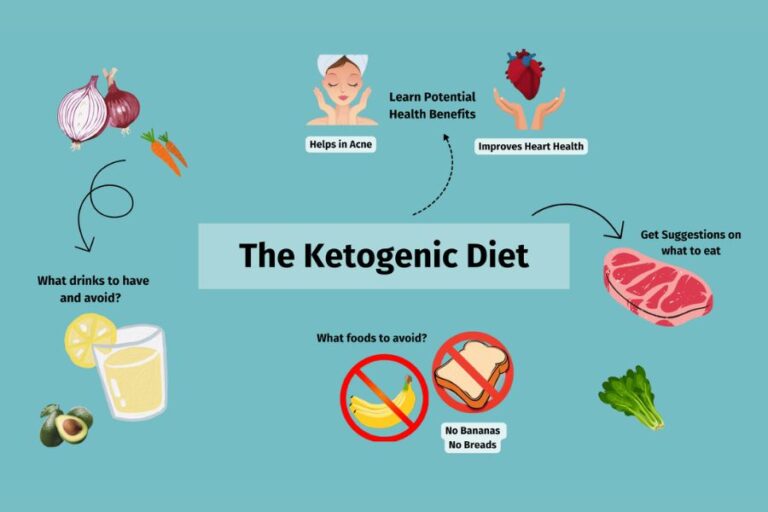
If you are curious about keto and blood sugar, you are really asking how a very low carbohydrate, high fat eating pattern changes the way your body handles glucose. On a ketogenic diet you typically eat about 20 to 50 grams of carbs per day, a big drop from a standard Western diet. This shift pushes your body into a metabolic state called ketosis, where you burn fat for energy instead of relying on glucose from carbohydrates.
For some people, especially those with insulin resistance or type 2 diabetes, this change can lead to lower blood sugar levels and improved insulin sensitivity. For others, the diet may feel too restrictive or come with trade offs that are not worth it long term. Understanding what actually happens in your body can help you decide if keto fits your goals.
What happens to your blood sugar on keto
When you reduce carbs sharply, several things happen behind the scenes that affect your blood sugar.
You enter nutritional ketosis
On a ketogenic diet your liver starts producing ketone bodies from fat. Blood ketone levels usually rise to about 2 to 3 mmol/L, which researchers describe as “physiological ketosis” rather than the dangerous ketoacidosis seen in uncontrolled diabetes (PMC). In this state, your cells use more ketones and fat for fuel, and you rely less on glucose.
With less carbohydrate coming in, your blood sugar tends to stay lower and more stable throughout the day. You avoid some of the sharp spikes and crashes that can happen after high carb meals.
You reduce the need for insulin
Because you are eating fewer carbs, you need less insulin to manage blood sugar. Studies suggest that ketogenic diets can improve insulin resistance in people who are overweight or obese, sometimes even without major weight loss (PMC).
In practical terms, this can look like:
- Lower fasting blood glucose
- Smaller blood sugar rises after meals
- Less “swinging” between highs and lows
If you use insulin or other diabetes medications, a keto diet can significantly change how much you need, which is why medical supervision is essential.
You often eat fewer calories without trying
Ketogenic diets are high in fat and often moderate in protein, which many people find more filling. Ketone bodies themselves may suppress appetite, and higher protein intake tends to increase satiety (PMC).
When you feel full sooner and stay full longer, you may naturally eat fewer calories. Over time this can lead to weight loss, smaller fat cells, and better adipose tissue “quality,” all of which are linked to improved insulin sensitivity and better blood sugar control (PMC).
Potential benefits for blood sugar and weight
If your main interest in keto and blood sugar is better health and weight loss, there are several potential upsides to be aware of.
Short term improvements in blood sugar
A number of studies have looked at how ketogenic diets affect type 2 diabetes:
- A 2022 review found that keto can help some people improve blood sugar control and reduce the need for diabetes medications for up to 12 months, although the evidence on long term effectiveness is limited (Medical News Today).
- Scientific reviews highlight that keto typically lowers blood sugar and promotes weight loss in people with type 2 diabetes, but they also point out that staying on the diet is often difficult and long term data are still missing (Cleveland Clinic).
There are also striking individual examples. In one case study, a 65 year old woman with a 26 year history of type 2 diabetes followed a clinically guided ketogenic diet alongside exercise and psychotherapy. Over 12 weeks she saw:
- HbA1c drop from 8.0 percent (in the diabetic range) to 5.4 percent
- Average daily blood sugar fall from 216 mg/dL to 96 mg/dL
- Insulin sensitivity and the triglyceride to HDL ratio improve by about 75 percent
These changes suggested a functional reversal of her diabetes as well as improvements in symptoms of depression (PubMed).
While one case cannot predict your result, it shows what is possible under close professional support.
Weight loss and insulin sensitivity
For weight loss, keto can be effective, at least in the short to medium term. Research has found that:
- Ketogenic diets are often more effective than some other diets for weight loss over about six months, especially in people with type 2 diabetes and obesity, which can indirectly support better blood sugar control (Medical News Today).
- Weight loss on keto is linked to smaller fat cells and less harmful fat stored in organs, which improves how your body responds to insulin (PMC).
If you are struggling with weight and high blood sugar, this combination of lower glucose levels and fat loss can feel very encouraging.
How keto compares to the Mediterranean diet
You might be wondering how keto stacks up against a less restrictive eating pattern. A Stanford Medicine study gives a helpful comparison.
Similar blood sugar improvements
In adults with type 2 diabetes or prediabetes, researchers compared a ketogenic diet to a Mediterranean diet. They found:
- Both diets produced similar reductions in HbA1c, about 9 percent for keto and 7 percent for Mediterranean over the study period
- Participants on both plans lost a similar amount of weight, about 8 percent on keto and 7 percent on Mediterranean
- Fasting insulin, fasting glucose, HDL cholesterol, and a liver enzyme called ALT improved in both groups (Stanford Medicine)
This suggests that you do not have to be in full ketosis to see meaningful improvements in blood sugar and weight.
Important differences in nutrients and cholesterol
The same study also highlighted some trade offs:
- The keto group saw an increase in LDL cholesterol
- The Mediterranean group saw a decrease in LDL cholesterol
- The ketogenic diet provided less fiber and lower intakes of several vitamins, including B6, C, D, E, thiamin, and phosphorus, while the Mediterranean diet was richer in these nutrients (Stanford Medicine)
If you already have high cholesterol or heart disease risk, these differences matter. The Cleveland Clinic notes that the high fat nature of keto can be risky for people with high cholesterol, especially if there is no strong focus on heart healthy fats, and they often recommend Mediterranean style patterns instead (Cleveland Clinic).
Which is easier to stick with
A key question for any diet is whether you can live with it. In the Stanford study:
- Participants found the ketogenic diet harder to follow over time
- Three months after the study ended, most people were sticking more closely to the Mediterranean diet, yet they still maintained improved blood glucose and weight loss (Stanford Medicine)
This lines up with broader reviews that report high dropout rates in keto groups, in one analysis up to 54 percent for people with type 2 diabetes (Medical News Today).
If you are choosing a plan partly to help your blood sugar, it is worth asking not only “Does this work?” but also “Can I imagine eating like this next year?”
Risks and limitations you should know
Keto and blood sugar improvements are only one side of the story. There are also risks and gaps in the research that you should factor in before making changes.
Risk of low blood sugar
If you already have diabetes and take medication, a keto diet can cause your blood sugar to drop too low, a condition called hypoglycemia. Many experts, including those at the Cleveland Clinic, point out that people with diabetes on ketogenic diets must monitor blood sugar closely, especially when using insulin or other glucose lowering drugs (Cleveland Clinic).
Symptoms of hypoglycemia can include:
- Shakiness or sweating
- Dizziness or confusion
- Rapid heartbeat
- Irritability or sudden fatigue
If your blood sugar falls below 70 mg/dL, you need to treat it right away as your care team has instructed.
Possible nutrient gaps
Because strict keto limits or excludes fruits, whole grains, and legumes, it can be harder to get enough:
- Fiber
- Certain vitamins, such as B6, C, D, and E
- Some minerals, including phosphorus (Stanford Medicine)
You can reduce these risks by focusing on low carb, nutrient dense foods like leafy greens, non starchy vegetables, nuts, seeds, and fatty fish, but you still need to pay attention to variety.
Long term unknowns
Researchers and medical organizations repeatedly point to one big limitation. There is not yet strong evidence about how safe and effective a strict ketogenic diet is over many years for people with diabetes or for the general population.
- A 2022 review of randomized trials found little proof that keto is more effective than other diets for long term type 2 diabetes management and highlighted the high dropout rates in keto groups (Medical News Today).
- Experts currently do not recommend the ketogenic diet as a standard treatment for type 2 diabetes due to its restrictive nature, the risk of hypoglycemia and ketoacidosis in some cases, and the lack of long term safety data (Medical News Today).
This does not mean keto is always a bad idea. It does mean you should approach it as a medical level intervention, not a casual trend, especially if you have a health condition.
If you decide to try keto
If you feel drawn to keto for better blood sugar and weight, you can improve your chances of success by planning ahead.
Talk with your healthcare team first
Before you change your carb intake dramatically, it is important to:
- Tell your doctor or diabetes educator what you are considering
- Review your current medications to see whether doses may need adjustment
- Ask how often you should monitor your blood sugar and what numbers to watch for
- Discuss any heart disease or kidney issues that might affect your diet choice
This step is especially important if you use insulin or sulfonylureas, since your medication needs may change quickly on keto.
Focus on food quality, not just macros
It is possible to follow a ketogenic diet that is mostly processed meat and cheese, but that approach may raise cholesterol and miss key nutrients. Instead, build your meals around:
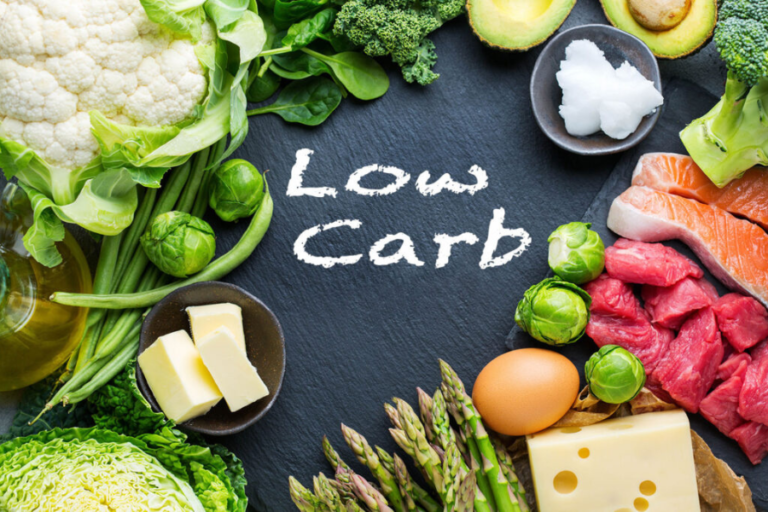
- Non starchy vegetables such as spinach, broccoli, cauliflower, zucchini, peppers
- Healthy fats such as olive oil, avocado, nuts, and seeds
- High quality protein such as eggs, poultry, fish, tofu, and tempeh
- Fermented foods like unsweetened yogurt or kimchi if they fit your carb budget
The Cleveland Clinic notes that focusing on heart healthy fats is especially important if you have diabetes and high cholesterol (Cleveland Clinic).
Start with small, trackable changes
If the full version of keto feels too abrupt, you can begin with steps that still support healthier blood sugar:
- Cut out sugary drinks and most desserts
- Swap refined grains for lower carb or high fiber options
- Reduce portion sizes of bread, pasta, rice, and potatoes
- Add more non starchy vegetables to every meal
You can then decide whether to move toward a stricter ketogenic intake or settle into a more moderate, Mediterranean style pattern that research also supports for blood sugar control (Stanford Medicine).
Key takeaways on keto and blood sugar
When you look at the research as a whole, a few themes stand out:
- A well planned ketogenic diet can lower blood sugar levels and improve insulin sensitivity, often alongside weight loss.
- For people with type 2 diabetes, keto can reduce the need for medication for a limited time, but it requires careful monitoring and medical guidance (Medical News Today, Cleveland Clinic).
- Mediterranean style diets can deliver similar improvements in blood sugar and weight with better long term adherence and more fiber and micronutrients (Stanford Medicine).
- Long term safety and effectiveness data for strict keto are still limited, and many people find it hard to maintain.
If you are exploring keto and blood sugar for your own health, consider it one tool among many, not the only option. A conversation with your healthcare team can help you weigh potential benefits against risks and find an eating pattern you can live with comfortably, not just for weeks, but for years.
About the Author