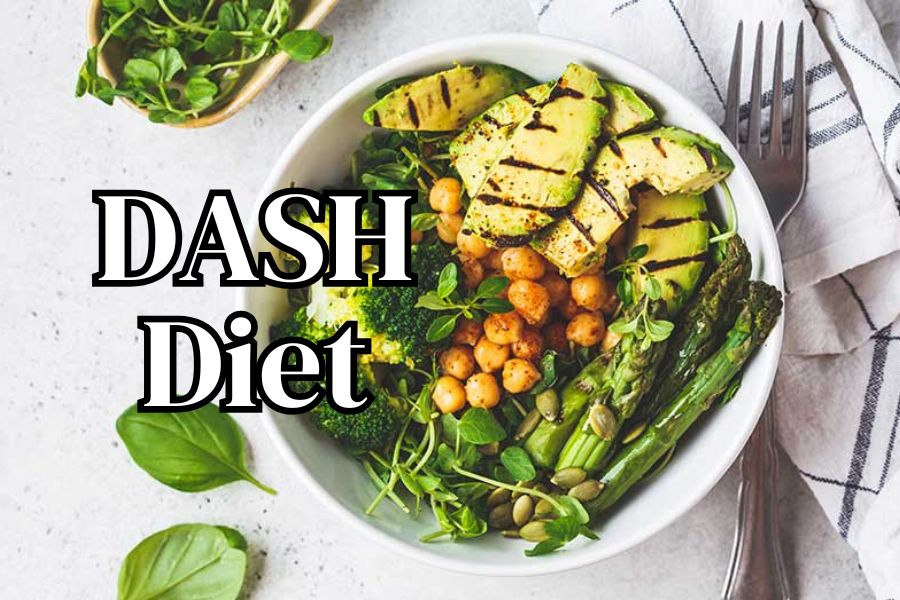
A simple, effective DASH diet grocery list can make healthy eating feel less overwhelming. Instead of wondering what to buy every time you go to the store, you can rely on a clear plan that supports your heart, helps manage blood pressure, and may support weight loss.
The DASH diet grocery list below is based on guidance from the Mayo Clinic, which recommends a pattern rich in vegetables, fruits, and whole grains, with limited sodium and saturated fat (Mayo Clinic). You can use it as a starter template and adapt it to your taste and budget.
Understand the basics of the DASH diet
The DASH diet, which stands for Dietary Approaches to Stop Hypertension, is designed to help you control or prevent high blood pressure. You focus on plenty of produce, whole grains, lean protein, and low fat dairy, while cutting back on sodium, added sugars, and foods high in saturated fat like fatty meats and full fat dairy products (Mayo Clinic).
Instead of counting calories or eliminating entire food groups, you build balanced plates. The Mayo Clinic provides serving ranges from each food group at different calorie levels, which can help you plan a more detailed grocery list and daily menu if you want more structure (Mayo Clinic).
Plan your DASH-friendly shopping trip
Before you write your DASH diet grocery list, it helps to think through your week. Look at how many breakfasts, lunches, snacks, and dinners you will eat at home, then roughly match those meals to the food groups you need.
You can keep things simple by repeating some meals. For example, oatmeal with fruit for breakfast several times a week and salads with beans or grilled chicken for quick lunches. Repetition makes shopping easier and reduces waste because you buy fewer different ingredients.
As you plan, remember these points from the DASH guidelines:
- Make fruits, vegetables, and whole grains the base of most meals
- Choose low fat or fat free dairy instead of full fat versions
- Pick lean meats, fish, poultry, beans, and nuts for protein
- Limit high sodium and highly processed foods
- Keep added sugars and sweets modest
If you are new to this way of eating, aim for progress instead of perfection. Start by focusing on a few key swaps, such as replacing refined grains with whole grains and salty snacks with fruit or unsalted nuts.
Stock up on vegetables
Vegetables are a cornerstone of the DASH diet. They provide potassium, magnesium, and fiber, all of which support healthy blood pressure and overall heart health. The Mayo Clinic notes that vegetables, fruits, and whole grains form the foundation of the DASH approach (Mayo Clinic).
Fill your cart with a mix of fresh, frozen, or even low sodium canned options. Frozen vegetables are just as nutritious as fresh and often more affordable, so they are helpful when you are busy.
You might include:
- Leafy greens like spinach, kale, romaine, or mixed salad greens
- Cruciferous vegetables like broccoli, cauliflower, Brussels sprouts, and cabbage
- Colorful choices such as bell peppers, carrots, tomatoes, and beets
- Convenience items like baby carrots, pre washed salad mixes, and frozen vegetable blends
If you enjoy roasting, choose hearty vegetables such as sweet potatoes, carrots, and Brussels sprouts. Roast a big tray once or twice a week and use them in grain bowls, salads, or as a quick side dish.
Choose a variety of fruits
Fruit helps satisfy a sweet tooth while adding fiber, vitamins, and antioxidants. On a DASH diet grocery list, fruit is an everyday essential, not an occasional treat. Fresh, frozen, and no sugar added canned fruits all count.
Consider adding:
- Apples, pears, and oranges for easy snacks
- Bananas for breakfast or pre workout fuel
- Berries, fresh or frozen, for oatmeal, yogurt, or smoothies
- Grapes, kiwis, or melon for fruit salads
- Dried fruit like raisins or apricots in small portions, since it is more concentrated in sugar and calories
If weight loss is one of your goals, you can still enjoy fruit freely, but balance higher sugar fruits like grapes or mango with plenty of berries and apples. Pair fruit with protein or healthy fats like yogurt or nuts to help you stay satisfied longer.
Pick heart healthy whole grains
Whole grains provide slow digesting carbohydrates, which keep your energy more stable and help you feel full between meals. They also add fiber, which supports digestion and heart health. The DASH diet emphasizes whole grains instead of refined grains as part of a heart protective pattern (Mayo Clinic).
Some easy whole grain staples are:
- Oats, either old fashioned or steel cut, for breakfast
- Brown rice, wild rice, or quinoa for sides and grain bowls
- Whole wheat bread or 100 percent whole grain bread
- Whole wheat pasta or legume based pasta
- Whole grain tortillas or pitas
When you read labels, look for the word “whole” in the first ingredient, such as “whole wheat flour” or “whole oats.” Try to limit items that list enriched flour or many added sugars.
Add low fat or fat free dairy
Dairy can be a valuable source of calcium and protein on the DASH diet, as long as you choose low fat or fat free products. The Mayo Clinic recommends fat free or low fat dairy options such as milk, yogurt, and cheese to promote heart health while limiting saturated fat intake (Mayo Clinic).
For your list, you might include:
- Skim or 1 percent milk
- Low fat or fat free plain yogurt, which you can sweeten with fruit
- Low fat cottage cheese
- Small amounts of reduced fat cheese, used as a flavor accent
If you avoid dairy, you can choose fortified plant based alternatives, such as soy or almond milk, that are unsweetened and enriched with calcium and vitamin D. These are not part of the original DASH research but can still fit the overall pattern.
Focus on lean proteins
Protein helps maintain muscle, supports satiety, and keeps your meals balanced. The DASH diet encourages lean protein sources, including fish, poultry, beans, and nuts, while limiting fatty meats such as bacon, sausage, and high fat cuts of beef or pork (Mayo Clinic).
For animal proteins, look for:
- Skinless chicken or turkey breasts or thighs
- Fish like salmon, trout, cod, or tilapia
- Lean cuts of beef or pork, such as sirloin, tenderloin, or loin chops
- Eggs, used in moderation if you have cholesterol concerns, as advised by your healthcare provider
Plant proteins are also a big part of the DASH pattern. Stock up on:
- Canned beans such as black beans, chickpeas, and kidney beans, preferably low sodium
- Lentils, dried or canned
- Tofu or tempeh
- Edamame in the freezer section
If you usually rely on processed meats, try replacing some of them with beans in soups, salads, or burrito bowls. This single shift can lower your intake of saturated fat and sodium quite a bit.
Do not forget nuts, seeds, and healthy fats
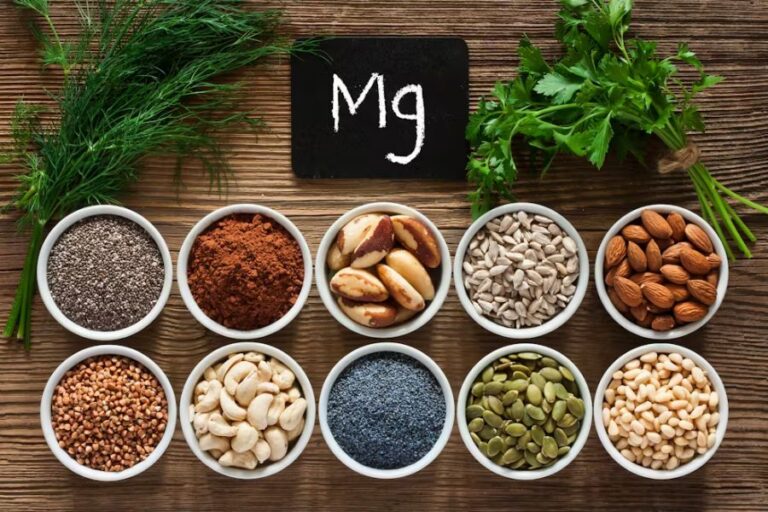
Nuts and seeds provide healthy fats, plant based protein, and fiber. The Mayo Clinic includes nuts and seeds as part of the DASH diet grocery list to support heart health, as long as you keep portions moderate and choose unsalted varieties (Mayo Clinic).
You can add to your cart:
- Almonds, walnuts, pistachios, or pecans, preferably unsalted
- Seeds like chia, flax, sunflower, or pumpkin
- Nut butters, such as peanut or almond butter, with minimal added sugars and oils
- Heart healthy oils like olive or canola oil for cooking
These foods are calorie dense, so a small handful or a tablespoon or two is often enough to add flavor and satisfaction without overdoing it.
Manage sodium and processed foods
One of the key features of the DASH diet is limiting sodium. The Mayo Clinic notes that DASH typically restricts sodium intake to 1,500 to 2,300 milligrams per day, which aligns with many blood pressure guidelines (Mayo Clinic). Your grocery list plays a big role in making that target realistic.
A few practical strategies:
- Choose “low sodium,” “reduced sodium,” or “no salt added” versions of canned vegetables, beans, and broths
- Buy plain frozen vegetables instead of those with sauces
- Limit highly processed meats like deli slices, bacon, and sausages
- Go easy on boxed mixes, instant noodles, and flavored rice or pasta packets, which often contain a lot of salt
At home, flavor your food with herbs, spices, lemon juice, vinegar, garlic, and onions instead of relying heavily on salt. Over a couple of weeks, your taste buds often adjust, and you may start to prefer less salty foods.
Include smart snacks and simple sweets
You do not have to give up treats completely. The DASH diet allows sweets in modest portions, especially when you choose options that fit into your overall calorie and sodium goals (Mayo Clinic).
For snacks, consider:
- Fresh fruit with a handful of nuts
- Yogurt with berries and a sprinkle of oats
- Veggie sticks with hummus
- Air popped popcorn with light seasoning
For sweets, you might keep:
- Dark chocolate in small squares
- Ingredients for simple fruit based desserts, like baked apples or grilled peaches
- Frozen fruit bars with minimal added sugar
If you are trying to lose weight, plan your snacks and sweets ahead of time rather than buying large boxes of cookies or candy. When healthier options are already at home, it is easier to make choices that match your goals.
Turn your list into everyday meals
A DASH diet grocery list is only useful if it translates into meals you will actually eat. Once you have your staples in the cart, think about a few quick combinations you can repeat.
For example:
- Breakfasts: oatmeal topped with berries and a spoonful of nuts, or yogurt with fruit and whole grain toast
- Lunches: large salads with beans or grilled chicken, whole grain sandwiches with lean turkey and plenty of veggies, or leftover grain bowls
- Dinners: baked fish or chicken with brown rice and roasted vegetables, stir fries with tofu and mixed vegetables over quinoa, or bean chili with a side of salad
If cooking every day feels like too much, pick one or two batch cooking recipes each week, such as a big pot of soup or a tray of roasted chicken and vegetables. Use leftovers for quick lunches and dinners so you do not fall back on high sodium takeout.
You do not have to follow the DASH diet perfectly to see benefits. Each time you fill your cart with more produce, whole grains, and lean protein, and a little less salt and saturated fat, you are moving in the right direction.
Start with a simple list, try a few new meals, and notice how your body responds. Over time, you can refine your DASH diet grocery list to match your preferences, schedule, and health goals.
About the Author