Why focus on a chest workout for bench press
If you want to add weight to the bar and build a bigger, stronger upper body, a targeted chest workout for bench press is one of the most efficient ways to get there. The bench press works your chest, shoulders, and triceps in one compound movement, and how you train it will decide whether you keep stalling or finally move past your current max.
In this guide, you will learn how to structure a bench focused chest workout, how to use smart variations that hit your pecs from multiple angles, and how to avoid the form mistakes that slow your progress and irritate your shoulders.
Understand what the bench press really works
The bench press is more than a “chest move.” When you press the bar, you are training a network of muscles that all have to pull their weight.
Primary chest muscles
Your pecs do most of the heavy lifting:
-
Pectoralis major, sternal head
This is the thick, central portion of your chest. It drives the bar up from your mid chest region and contributes most to overall size. -
Pectoralis major, clavicular head (upper chest)
This runs from your collarbone down toward the middle of your chest. It helps start the press off your chest and gives your chest that full, “high” look near your shoulders.
Undertraining the upper chest can leave you with a lower heavy, “droopy” look. Prioritizing incline work in your chest workout for bench press helps fix that imbalance.
Key supporting muscles
Several other muscles are quietly making your reps possible:
- Anterior deltoids at the front of your shoulders help push the bar away from your body.
- Triceps brachii extend your elbows and handle the lockout portion.
- Lats and upper back stabilize the bar path and keep your shoulders secure on the bench.
If any of these weak links fall behind, you feel it in the form of shaky reps, a slow lockout, or a stubborn plateau.
Use proper bench press form for strength and safety
Before you worry about how many sets to do, you need solid technique. Good form does two things at once: it keeps your shoulders happier and it lets your chest and triceps actually do the work.
Bench setup checklist
Use this quick checklist each time you lie down on the bench:
- Feet flat on the floor, planted firmly for a stable base
- Eyes directly under the bar, so you can unrack without drifting forward
- Shoulder blades pulled together and slightly down into the bench (scapular retraction)
- Natural, slight arch in your lower back, with hips and shoulders still in contact with the bench
- Grip just outside shoulder width in most cases
Retracting your shoulder blades creates a stable shoulder base and reduces stress on the front of your shoulders in the eccentric, or lowering, phase. It also helps you use the stretch reflex for more powerful presses.
Elbow position and bar path
Two small details make a big difference:
-
Elbows at roughly 50 to 60 degrees from your torso on the way down
This position is recommended in guides that reference shoulder impingement, which accounts for up to 65% of shoulder pain cases according to the Cleveland Clinic. It helps you avoid the painful “elbows straight out to the sides” position. -
Bar path slightly diagonal
Lower the bar under control to just below your nipples, then press it back up and slightly toward your face, not straight up and down.
Touch the bar to your chest on every rep as long as your form is tight. Avoid bouncing. A brief, controlled pause on the chest followed by an explosive press to lockout gives you consistent, repeatable reps.
Common form mistakes to avoid
Try to correct these early:
- Flaring your elbows out to 90 degrees
- Letting your feet wander around the floor or up onto the bench
- Bouncing the bar off your chest
- Letting your shoulders roll forward at the bottom
- Letting the bar drift toward your belly or too high toward your throat
Cleaning these up can protect your shoulders and set up years of productive benching.
Build your weekly chest workout for bench press
You will progress faster if you plan your week instead of guessing every time you train. A simple, effective structure is to have:
- Heavy bench day focused on strength
- Light or technique bench day focused on speed and form
- Upper body support day to build the muscles that help your bench
Example weekly bench structure
Here is a layout based on the research you have:
| Day | Focus | Main bench work |
|---|---|---|
| Day 1 | Heavy bench day | Heavy barbell bench press, 4 to 6 reps |
| Day 3 or 4 | Light / technique day | Paused bench triples at about 50% of your max |
| Day 5 or 6 | Upper body support | Overhead press, rows, pull-ups, triceps work |
Optional lower body days can be added around this to keep your whole body strong and balanced.
Try this strength focused chest session
Here is a sample chest workout for bench press that you can run once per week as your main heavy day. It combines traditional benching with smart variations and accessory work.
1. Barbell bench press, heavy sets
Goal: Build overall strength and practice your main lift.
- Warm up with 2 to 3 light sets of 5 to 8 reps
- Work up to 3 to 5 working sets of 4 to 6 reps at about 75 to 85% of your one rep max
- Rest 2 to 3 minutes between sets
Focus on:
- Tight setup every set
- Controlled descent, brief pause on your chest, then an explosive press
2. Triple angle bench press circuit
The Triple Angle Bench Press Workout is designed to deliver a serious chest pump in under 25 minutes. It also builds fatigue tolerance and helps you push past mental and physical sticking points.
You will cycle through three variations back to back:
- Incline bench press
- Flat bench press
- Floor press
This creates a mechanical dropset, moving from the hardest variation to the easiest so you can keep racking up reps even as you fatigue.
How to run the Triple Angle circuit
Set a timer for 5 minute rounds. For each round:
- Incline bench press, 5 reps
- Bench at roughly 45 degrees
- Lower the bar over a 3 second count
- Keep your elbows at a slight angle, not flared
- Press up explosively
- Flat bench press, 10 reps
- Same form cues as your heavy bench, but with lighter weight
- Move with control, not momentum
- Floor press, max reps
- Lie on the floor with a barbell or dumbbells
- Lower until your upper arms rest on the floor
- Pause briefly, then press back up
- Go to technical failure, which means you stop when your form starts to break down
Rest only as needed during each 5 minute block. Start a new round every 5 minutes, for a total of 5 rounds.
This circuit:
- Emphasizes your upper chest on the incline work
- Keeps hammering the whole chest with the flat press
- Targets your triceps and lockout strength with the floor press
You finish with a huge pump and a lot of quality volume in a short amount of time.
3. Overhead press or dumbbell shoulder press
Strong front delts support a strong bench.
- 3 to 4 sets of 6 to 10 reps
- Focus on full range of motion and stable, controlled pressing
4. Triceps accessory work
If you miss at the top of the bench press, your triceps likely need more attention. Helpful choices include:
- Skull crushers
- Cable or band triceps pushdowns
- Close grip bench press
Pick 1 or 2 exercises:
- 3 sets of 8 to 12 reps each
- Focus on smooth, non jerky reps and a good squeeze at the top
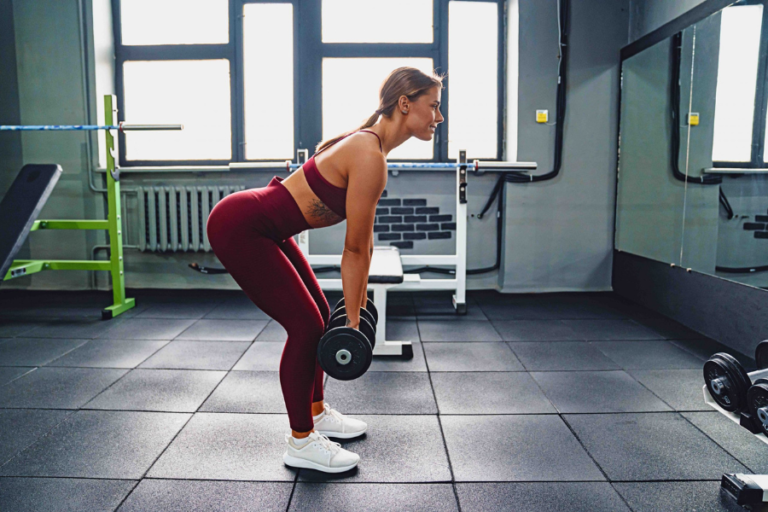
5. Upper back pulling
Your back holds your shoulders in the right position and keeps the bar path steady.
Good options:
- Bent over barbell rows
- Dumbbell rows
- Pull-ups or lat pulldowns
Perform:
- 3 to 4 sets of 8 to 12 reps
Getting stronger here helps your bench feel more stable and powerful.
Technique and speed day: lighter benching with purpose
On your lighter day, you are not trying to set records. You are practicing great form and building speed off your chest.
Paused bench press triples
- Use about 50% of your one rep max
- Perform 5 to 8 sets of 3 reps
- Lower the bar under control, pause for 1 second on your chest, then press fast
- Rest 60 to 90 seconds between sets
This improves:
- Bar control
- Confidence at the bottom of the rep
- Your ability to press explosively, even with heavier weights later
You can finish this day with a small amount of accessory work like light rows or band pull aparts, but keep the overall stress lower than your heavy day.
Accessory exercises that boost your bench
The right accessories build muscle where you need it most for a stronger bench press and a fuller chest.
Chest focused accessories
-
Incline dumbbell press
Emphasizes the upper chest and helps correct lower heavy chest development from too much flat pressing. -
Dips
Focus on a slight forward lean to hit your chest more. These also train triceps hard. -
Dumbbell flyes or cable flyes
Use a moderate weight and slow, controlled motion. These help you feel a deep pec stretch and contraction.
Back and shoulder accessories
-
Barbell or dumbbell rows
Build upper back strength and thickness, which improves bench stability. -
Pull-ups or lat pulldowns
Strong lats help guide the bar path and keep your torso tight. -
Overhead presses
Build shoulder stability and pressing strength at different angles.
Triceps focused accessories
- Skull crushers
Great for building size and lockout power. - Pushdowns
Easier on the elbows and good for higher rep work. - Close grip bench
Bridges the gap between main bench work and pure isolation.
Combine a few of these over the week so that your chest, shoulders, and triceps all get direct attention without burning you out.
Fix common sticking points in your bench press
Everyone hits rough patches in the press at some point. You can troubleshoot by paying attention to where you fail a rep.
If you struggle off the chest
You may have:
- Weak upper chest or shoulders
- Poor tightness and leg drive
- An inconsistent bar path
Helpful adjustments:
- Include more incline work in your chest workout for bench press
- Practice paused bench press on your light day
- Focus on pulling your shoulder blades together and using your legs to push into the floor as you press
If you stall halfway up
You are likely dealing with:
- A natural “sticking point” where leverage is not in your favor
- Some loss of stretch reflex energy
- Need for more prime mover strength
Research notes that the sticking point can occur about 3 to 16 centimeters from your chest and lasts under a second. To handle it better, you can:
- Use the Triple Angle bench circuit to build fatigue tolerance
- Work with heavy but controlled sets in the 4 to 6 rep range
- Add accessory work like overhead presses and rows to strengthen the supporting muscles
If you miss at lockout
Your triceps usually need more work. Useful strategies:
- Add floor presses to focus on the top half of the movement
- Include skull crushers and pushdowns for higher rep triceps work
- Try close grip bench presses for a heavier triceps emphasis
Strength progression and realistic expectations
Real progress comes from combining good programming, form, and recovery.
From the referenced “Boost Your Bench Press” style plans:
- Beginners may add up to about 20 pounds to their bench in around 10 weeks
- More experienced lifters or those who have been stuck can often gain 5 to 10 pounds over the same period
To keep moving forward:
- Add small amounts of weight or a couple of extra reps over time
- Make sure you eat enough to support muscle growth
- Get enough sleep and manage your total weekly training so you are not constantly exhausted
Progress might not be linear every week, but if you consistently hit your sessions, respect good form, and recover well, your numbers will climb.
Put it all together
A smart chest workout for bench press trains more than just your chest. You are building a coordinated upper body that can press heavy weight safely and consistently.
To recap the core moves:
- Practice solid bench press form with tucked elbows, scapular retraction, and a stable leg drive
- Run a weekly structure with a heavy day, a lighter technique day, and a support day
- Use the Triple Angle bench press circuit to hit your chest from multiple angles and build a serious pump in under 25 minutes
- Strengthen your shoulders, triceps, lats, and upper back with focused accessories
Choose one adjustment to start with in your next workout, such as adding paused triples or trying the Triple Angle circuit with lighter weights. As these changes add up week after week, you will feel more stable on the bench and see the numbers on the bar start to climb.
About the Author