A carnivore diet for beginners can sound simple. You eat only animal foods like meat and eggs, and you skip everything else. In reality, it is a very restrictive way of eating that can affect your weight, blood sugar, digestion, and long term health in significant ways. Before you load your plate with steak at every meal, it helps to understand what this diet involves, what is known so far, and where the risks sit.
Below, you will find what you need to know so you can talk with your doctor and decide whether a carnivore diet fits your goals, or whether a less extreme approach makes more sense for you.
Understand what the carnivore diet is
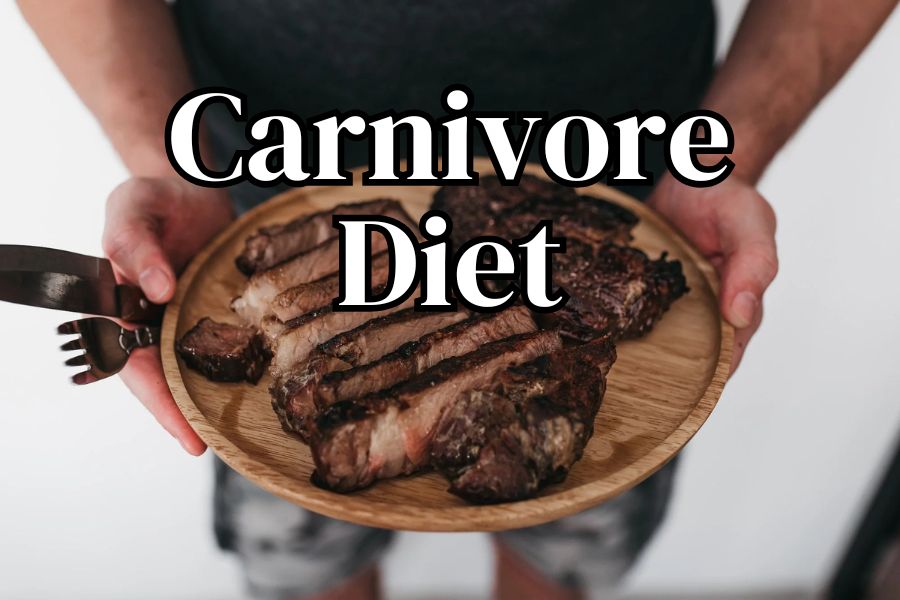
On a carnivore diet, you eat only animal based foods and avoid all carbohydrates. That means your menu is limited to items like:
- Beef, pork, lamb, and other red meat
- Chicken, turkey, and other poultry
- Fish and seafood
- Eggs
- Some dairy like cheese and butter, depending on how strict you are
You avoid fruits, vegetables, grains, beans, lentils, nuts, seeds, and most plant based oils. The idea is to shift your body away from using carbohydrates for energy and to rely on fat and protein instead, which some people hope will support weight loss and steadier blood sugar. This definition is consistent across major health resources, including WebMD, Cleveland Clinic, and Healthline (WebMD, Cleveland Clinic, Healthline).
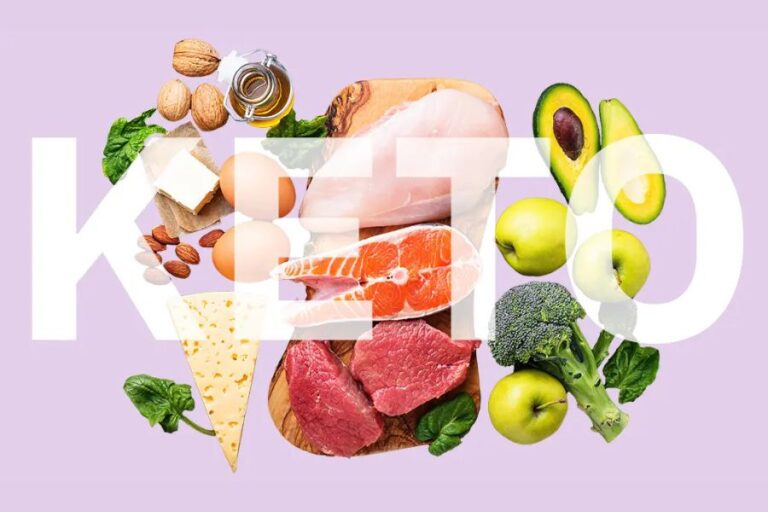
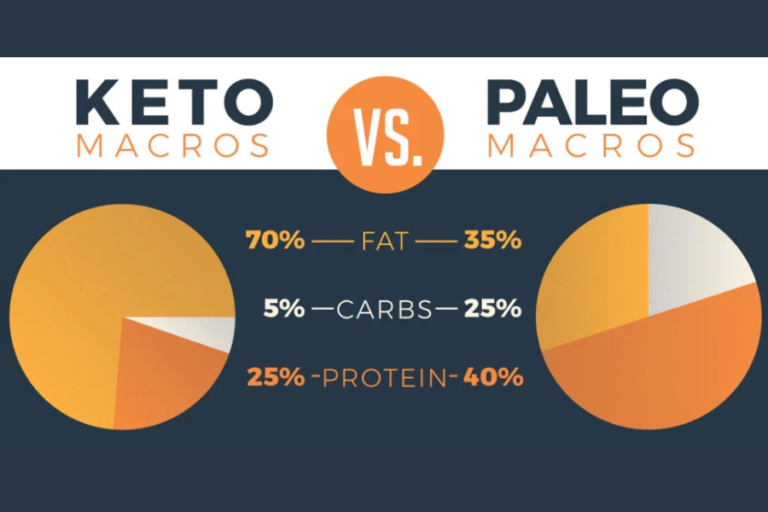
If you have followed a keto diet before, this might sound familiar. The key difference is that keto still includes low carb vegetables and plant fats, while a true carnivore diet removes plant foods completely (Cleveland Clinic, Primal Kitchen).
Know what people hope to gain
If you are curious about a carnivore diet for beginners, you are probably wondering what it might do for you. Supporters often claim several benefits, although most of these are based on personal stories rather than strong clinical research.
Common reasons people try this way of eating include:
- Weight loss and reduced body fat
- Fewer blood sugar swings
- Less bloating or digestive discomfort
- Simpler food decisions and fewer cravings
A WebMD summary highlights a large survey of more than 2,000 people who followed the carnivore diet for 9 to 20 months. Many of them reported losing weight and said their blood sugar control improved, and some people with diabetes even reduced or stopped their medications (WebMD). These results are self reported and not part of a controlled clinical trial, so they should be treated as early clues rather than proof.
Healthline also notes that a high protein, high fat diet may help you feel fuller and slightly increase your metabolism, both of which can support short term weight loss (Healthline). If your previous diet was heavy in ultra processed, high sugar foods, almost any switch to whole foods and fewer calories can lead to weight changes at first.
Be clear about what science actually says
This is where it is important to slow down. You will see dramatic before and after photos and confident claims on social media. However, major medical organizations agree that scientific evidence specifically supporting the carnivore diet is limited.
Cleveland Clinic points out that most of the benefits you hear about are anecdotal and influencer driven, and that the diet is not supported by current dietary guidelines, which still recommend a mix of fruits, vegetables, grains, and lean proteins for most people (Cleveland Clinic). Healthline echoes this, noting that no controlled scientific studies currently show long term safety or superiority of this diet compared with balanced eating patterns (Healthline).
In other words, you are stepping into relatively uncharted territory. You might notice some short term benefits, especially around appetite and blood sugar, but you are also working against decades of research that link plant rich diets with lower risks of heart disease, cancer, and other chronic conditions.
Weigh the potential risks and side effects
Any serious beginner’s guide to the carnivore diet has to be honest about the downsides. Because this diet removes whole food groups, the risks are not minor.
Nutrient gaps
You miss out on nutrients that are abundant in plant foods, including:
- Fiber for healthy digestion and a balanced gut microbiome
- Vitamin C and folate from fruits and vegetables
- Potassium from produce and legumes
- Many antioxidants and plant compounds that may help protect against disease
WebMD notes that this low intake can create deficiencies and contribute to issues like constipation, headaches, and fatigue (WebMD). Healthline adds that the lack of fiber and plant antioxidants may raise your risk for gut inflammation and certain cancers over time (Healthline).
Heart and kidney concerns
Because the carnivore diet emphasizes animal protein and often relies on fattier cuts of meat, you may take in a lot of saturated fat, cholesterol, and sodium, especially if you eat processed meats. Cleveland Clinic warns that this pattern is associated with increased risk of heart disease and possibly some cancers (Cleveland Clinic).
Gene Food highlights research linking very high intakes of animal protein with higher LDL (bad) cholesterol and increased cardiovascular and overall mortality, based on a JAMA review of 34 clinical trials involving more than 270,000 people (Gene Food). They also note that breaking down large amounts of protein can burden your liver and kidneys by generating ammonia. For some people with genetic differences in how the body processes ammonia, that stress could be even higher (Gene Food).
Gut health changes
Your gut bacteria feed on fiber and plant compounds. Removing these foods may shift your microbiome in ways that are not yet fully understood. Gene Food mentions that lack of fiber and heavy meat intake can encourage certain bacteria like Bilophila that are linked to gut inflammation and increased colon cancer risk (Gene Food).
You might initially notice less bloating, especially if you are sensitive to specific plant foods. Over time, though, the absence of fiber can lead to constipation, discomfort, and long term concerns for colon health (Healthline).
Who should avoid this diet
Experts are clear that a carnivore diet is not safe for everyone. WebMD and Healthline both point out that it may be especially risky if you:
- Are pregnant or breastfeeding
- Have chronic kidney disease
- Have heart disease or very high cholesterol
- Have high blood pressure
- Have a history of disordered eating
- Are a child or teenager who is still growing
For these groups, a balanced diet that includes plant foods is strongly recommended instead (WebMD, Healthline).
Health experts at Cleveland Clinic go further and simply recommend against the carnivore diet altogether, favoring a varied diet built around fruits, vegetables, grains, and lean meats instead (Cleveland Clinic).
See how the carnivore diet compares to keto
If you are looking at a carnivore diet for beginners, you might already be familiar with keto or other low carb plans like Atkins. Understanding the differences can help you decide what is realistic for you.
Keto diets:
- Greatly reduce carbs, but do not remove them completely
- Encourage non starchy vegetables and plant based fats like olive oil and avocado
- Aim for a high fat, moderate protein balance
Carnivore diets:
- Remove all carbohydrates and plant foods, or allow only tiny amounts
- Focus mainly on meat, eggs, fish, and sometimes limited dairy
- Often end up being very high in protein and fat
Cleveland Clinic notes that carnivore goes beyond keto by eliminating all carbohydrates, which is not in line with current dietary guidelines (Cleveland Clinic). Gene Food also points out that the very high protein intake on a strict carnivore diet can prevent you from reaching true ketosis because your body converts extra protein to glucose in a process called gluconeogenesis (Gene Food).
If your main goal is blood sugar control or weight loss, a well planned keto or low carb plan with vegetables may give you similar benefits with fewer long term risks.
Know what “beginner friendly” really looks like
If you and your healthcare provider still decide to experiment with a carnivore diet, treat it as a structured trial instead of a permanent lifestyle from day one. Basic beginner steps, summarized by resources like WebMD and Primal Kitchen, include (WebMD, Primal Kitchen):
-
Clear out high carb foods
Remove bread, pasta, rice, sweets, snack foods, beans, and all fruits and vegetables from your daily rotation if you are following a strict version. This step alone shows how intense the change will feel. -
Plan your protein and fat sources
Stock up on red meat, poultry, fish, eggs, and animal fats like butter or tallow. Some people include full fat dairy, while others avoid it to keep the diet stricter. -
Think “nose to tail”
Carnivore followers often eat organ meats and less common cuts like liver, bone marrow, and even fish eyes. This approach is meant to cover more nutrients than muscle meat alone and is frequently recommended in meal plans like the one from Primal Kitchen (Primal Kitchen). -
Decide how strict you will be
Some people still drink coffee or tea and may keep in a few low carb vegetables or herbs. A “pure” carnivore diet avoids all plant based beverages and foods, although even proponents vary on this point (Primal Kitchen). -
Schedule check ins
Before you start, talk with a healthcare provider and arrange follow ups to monitor your cholesterol, blood pressure, kidney function, and overall wellbeing. Primal Kitchen also recommends consulting a professional before getting started, and that step becomes even more important if you have any medical conditions (Primal Kitchen).
Decide if this approach fits your goals
At its core, a carnivore diet for beginners offers a simple rule. Eat meat and animal products, skip everything else. That simplicity can feel appealing when you are overwhelmed by conflicting nutrition advice or frustrated by ongoing weight struggles.
When you look closely at the evidence, you see a more complicated picture. Early reports suggest that some people lose weight, feel more satisfied, and notice improvements in blood sugar. At the same time, major medical organizations warn about nutrient deficiencies, heart and kidney strain, digestive problems, and the lack of strong scientific backing for long term health benefits (WebMD, Cleveland Clinic, Healthline).
If you are mainly interested in losing weight and improving your health, you might ask:
- Could you get similar results from reducing ultra processed foods, added sugars, and refined carbs while keeping vegetables, fruits, and whole grains in your diet?
- Would a balanced low carb or Mediterranean style pattern feel more sustainable and less restrictive?
- How will you feel socially and mentally if you cannot share most foods with family or friends?
Talk with your doctor or a registered dietitian about your goals and medical history before making a dramatic change. You deserve a plan that supports your health today and protects it for years to come, not just a quick fix that leaves important questions unanswered.
About the Author